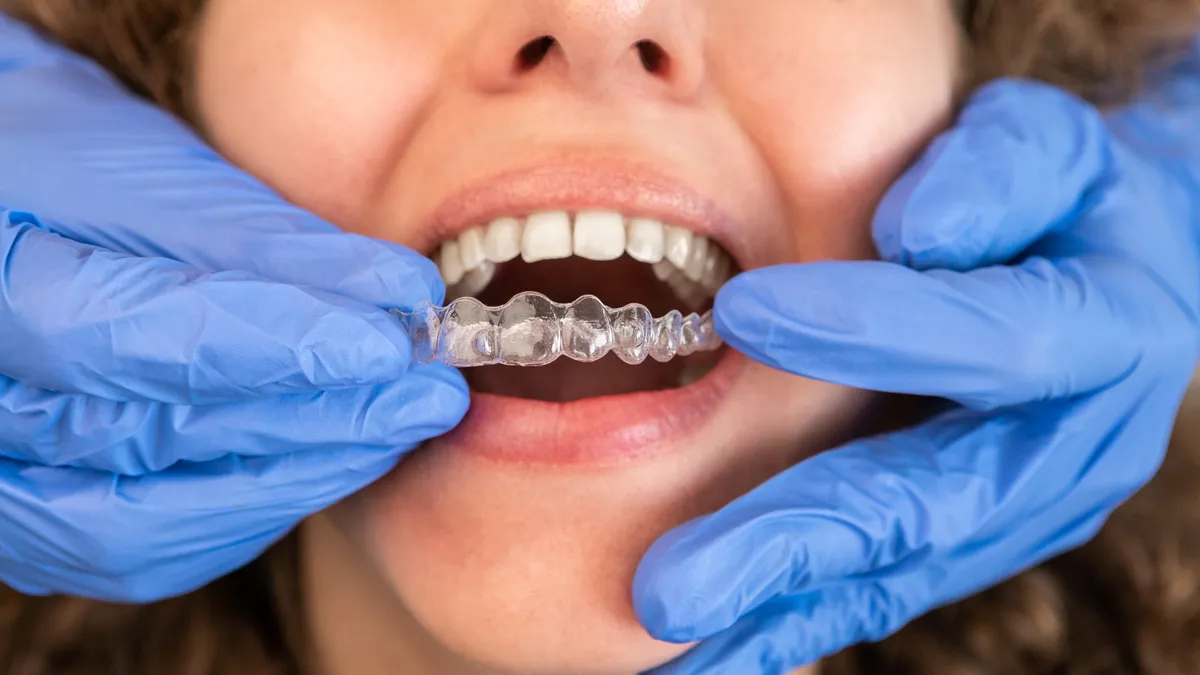
Straighten Your Smile Discreetly
Invisalign in Caroline Springs by
Experienced Dentists
We offer Invisalign in Caroline Springs to help improve teeth alignment using clear, removable aligners. Your dentist will recommend a treatment plan after assessing your needs.
What Is Invisalign and How Does
It Work?
Who Is Invisalign Suitable For?
- Invisalign may be suitable for individuals with mild to moderate crowding who wish to align their teeth without fixed braces.
- It can benefit patients with noticeable gaps or spacing between teeth by gradually closing spaces to improve both function and appearance.
- Invisalign is often recommended for those with minor bite issues, such as a mild overbite, underbite, or crossbite.
- It may also be an option for adults and teenagers who prefer a treatment that integrates comfortably with daily routines, offering flexibility in eating and oral hygiene.
The Benefits of Invisalign
Understanding Invisalign Treatment
Invisalign offers a modern approach to orthodontic treatment, combining effectiveness with comfort and discretion. Clear aligners may help improve tooth alignment and bite, but results vary, and treatment involves responsibilities, risks, and professional supervision.
- Invisalign aligners are clear and discreet, allowing patients to straighten their teeth without the visibility of traditional braces.
- They are removable, making it easier to maintain good oral hygiene and enjoy a wider variety of foods during treatment.
- Invisalign aligners are custom-made for comfort, reducing irritation often associated with brackets and wires.
- The treatment uses advanced digital planning, giving patients a clear preview of expected results and a more predictable outcome.
Your Invisalign Treatment Journey
Step 1
Step 1
Personalised Consultation and Smile Assessment
Step 2
Step 2
Custom Aligners and Fitting Process
Step 3
Step 3
Wearing, Monitoring and Smile Progress
Aligners are worn 20 to 22 hours daily, with progress checked at scheduled appointments. Treatment duration varies, often 6 to 18 months. Outcomes depend on factors like case complexity, oral hygiene, and consistent aligner use.
Personalised and Caring
Why Choose Us
for Invisalign in Caroline Springs
Trusted Experience with Invisalign
Led by Dr. Rachna Yadav, our team brings over 20 years of dental experience, including extensive work with Invisalign. We’ve helped countless patients, from teens to adults, achieve straighter smiles through Invisalign treatment. You can trust that your care is guided by skilled professionals who genuinely want a successful outcome for you.
We’re not here to upsell—we’re here to help. Your consultation is all about understanding your goals, assessing your needs, and recommending what’s right for your smile and lifestyle.
Clear, Personalised Planning
Flexible Care That Fits Your Lifestyle
We understand that cost and convenience matter. That’s why we offer flexible scheduling, interest-free payment plans, and a welcoming environment where your comfort always comes first.
You’ll also benefit from regular visits and consistent support throughout your Invisalign journey. Our team works to keep your appointments efficient, your questions answered, and your treatment on track without disrupting your day-to-day life.
Price Guide
Invisalign Treatment Costs
Before starting your treatment, we’ll explain the Invisalign cost in Caroline Springs in detail. This approach allows us to provide detailed information about treatment costs. Final costs depend on your individual case complexity and any additional procedures required.
Single Arch
Magical Smiles Caroline Springs provides complete information about the investment for single-arch Invisalign treatment. You will receive a personalised quote during your initial consultation so you can plan your treatment with confidence.
Starts at$4,000
Single arch treatment costs $4,000 to $6,000 and includes custom Invisalign aligners, detailed treatment planning, and scheduled progress checks throughout your treatment.
Pricing may vary depending on the complexity of the case and the total number of aligners required.
Additional procedures, such as tooth contouring or the placement of attachments, may increase the final cost.
Upper and Lower Arches
We offer professional Invisalign treatment for both upper and lower arches at a set starting fee. This option provides comprehensive alignment and includes all essential stages of your Invisalign care.
Starts at$4,500
The cost covers your aligners for both arches, your initial consultation and detailed treatment planning. Fees generally range between $4,500 and $9,000, depending on your case.
Treatment timeframes can influence costs, with more complex or lengthy cases often requiring additional aligners.
Any supplementary treatments recommended by your dentist, like minor dental procedures, may increase the overall investment.
Payment Options
Flexible Payment Options to Make Dental Care More Accessible
We believe everyone deserves access to dental care, which is why Magical Smiles Caroline Springs offers a range of flexible payment options to help make your treatment more manageable. We’ll go through all the terms and details with you at your consultation.
Whether you’re coming in for a routine checkup or planning a more involved procedure, we’ll walk you through the costs clearly and help you choose a payment method that works for your budget.
SuperCare is a third-party service that assists with applications for early release of superannuation funds. Some patients may explore early access to superannuation for dental treatment costs. This is an individual financial decision regulated by the ATO. We recommend consulting independent financial advice before proceeding. Our team does not provide recommendations regarding superannuation access. Approval depends entirely on ATO criteria and your individual circumstances.
Frequently Asked Questions
Answers to Your Invisalign Questions
How long does Invisalign treatment take?
Invisalign treatment time can vary depending on your needs, the complexity of your case, and how consistently you wear your aligners. While some people notice changes within a few months, others may require a longer treatment period to achieve their desired results. Below are the main factors that influence how long invisible braces treatment may take:
- Average Treatment Duration:
Some patients complete Invisalign treatment within 6 to 18 months. This timeframe can change depending on how much movement your teeth require. - Complexity of Tooth Movement:
Minor alignment changes often take less time, while cases involving significant rotation, bite adjustment, or crowding may require a longer treatment plan. - Wearing Aligners as Directed:
Wear your aligners for 20 to 22 hours each day to help your treatment progress as planned. Remove them only for eating, drinking coloured beverages, brushing, and flossing to maintain effectiveness. - Attachment and Refinement Stages:
Some patients need small tooth-coloured attachments or additional refinement aligners towards the end of treatment, which can extend the overall timeline. - Follow-Up Appointments:
Regular check-ins every four to eight weeks help keep your Invisalign treatment on track. These visits let your dentist adjust the treatment plan if your teeth move more or less slowly than expected.
Your dentist will guide you through each stage of the process and give you a realistic timeframe tailored to your needs.
How do I know if Invisalign is the right treatment for me?
Some patients choose clear aligners in Caroline Springs as a discreet way to improve their smile. Invisalign can be a suitable option for many people, but it is not the most suitable fit for everyone. Here are the key factors that can help you understand if Invisalign in Caroline Springs might be right for you:
- Current Alignment of Your Teeth:
Invisalign works well for mild to moderate crowding, gaps, or bite issues. If your teeth require complex movement or significant bite adjustment, your dentist may recommend other orthodontic options. - Commitment to Wearing Aligners:
For optimal results, you must wear the aligners for 20 to 22 hours a day. If you think you might forget or remove them too often, traditional braces may be more effective. - Oral Health Status:
Healthy teeth and gums are important before starting Invisalign. If you have active decay or gum disease, your dentist will address these conditions first. - Lifestyle and Aesthetic Preferences:
Invisalign’s clear aligners are less noticeable than braces, which many adults and teens prefer for work, school, or social events. If appearance during treatment matters to you, this could be a deciding factor. - Willingness to Follow Treatment Instructions:
Invisalign requires regular check-ins and changing aligners as directed. Skipping these steps can delay results or reduce effectiveness.
You should weigh your dental condition, daily habits, and personal preferences before starting Invisalign. As with any orthodontic treatment in Caroline Springs, it’s important to have a thorough assessment with a qualified dentist.
Is Invisalign treatment painful?
Many patients in Caroline Springs considering Invisalign are curious about whether the treatment will hurt. Below are the key things you need to know about pain and comfort during Invisalign treatment:
- Initial Adjustment Discomfort:
Most patients feel mild soreness or tightness during the first 24 to 72 hours of starting Invisalign treatment. This usually occurs when switching to a new set of aligners as they begin gently moving the teeth into position. - Pressure, Not Sharp Pain:
The feeling from Invisalign is typically described as pressure rather than sharp pain. This pressure is a sign that the treatment is working to guide your teeth into alignment. - Gum and Cheek Irritation:
In some cases, the edges of the aligners may cause minor rubbing on your gums, cheeks, or tongue in the early stages. Dentists can smooth the edges or recommend dental wax to reduce irritation. - Eating and Drinking Comfort:
Because Invisalign aligners are removable, you can eat without brackets or wires poking your mouth. You may still feel slight tenderness when biting into firm foods in the first few days of each aligner set. - Managing Discomfort at Home:
Over-the-counter pain relief medications can help manage short-term soreness (always follow your dentist’s advice). Cold compresses and staying hydrated can also help ease tenderness.
Invisalign treatment is generally well tolerated, with most discomfort subsiding within a few days of each aligner change. Follow your dentist’s care instructions to help reduce temporary soreness during Invisalign treatment. This may help reduce temporary soreness during Invisalign treatment, though individual experiences vary.
Braces vs Invisalign: Which is better for me?
Braces and Invisalign both straighten teeth, but they work differently and suit different needs. Braces use metal brackets and wires to move teeth. Invisalign uses a series of removable, clear aligners for gradual adjustment. Your dentist will assess your bite, lifestyle, and oral health to recommend the most suitable option.
Braces may suit complex alignment issues or patients needing precise control over tooth movement. Invisalign may suit those seeking a discreet, removable alternative to metal braces for mild to moderate cases. These two options require commitment to achieve optimal results over time. Discussing your goals and dental condition with your dentist can guide you towards the safest, most effective choice.
What is the downside of Invisalign?
Invisalign can be an effective way to straighten teeth, but it also has disadvantages that patients should consider before deciding if Invisalign is suitable for their needs. Knowing the potential downsides allows you to make an informed choice and discuss them with your dentist. Here are the main disadvantages of Invisalign:
- Discipline-Dependent Results:
You need to wear Invisalign aligners for 20 to 22 hours daily for them to work effectively. Inconsistent use can slow your progress and reduce the overall effectiveness of your treatment. - Initial Discomfort:
Aligners can cause mild pressure or soreness, especially when switching to a new set, as your teeth gradually move into position. - Not Suitable for All Cases:
Invisalign may be less effective for complex orthodontic cases, meaning some patients may need alternative treatments such as traditional braces. - Invisalign cost in Caroline Springs:
Invisalign treatment can cost more than other orthodontic options. The total cost may vary depending on your case’s complexity. - Risk of Misplacement:
Because the aligners are removable, there is a risk of losing or damaging them, which can disrupt treatment and increase costs.
Invisalign offers a discreet and convenient way to straighten teeth. Understanding its potential downsides helps you decide if it suits you.
Do you need to see a dentist to get Invisalign?
Yes, you need to see a registered dentist providing Invisalign in Caroline Springs to begin Invisalign treatment. Only a registered dental professional can assess your teeth and confirm if Invisalign is a suitable option. They will examine your oral health and create a personalised treatment plan based on your unique dental needs.
Invisalign requires professional supervision to monitor your progress and make adjustments when necessary. Regular checkups help your dentist monitor if the treatment is progressing as intended and prevent potential complications. They can also address any concerns or discomfort you might experience during the process. This professional guidance supports the effectiveness and safety of your Invisalign treatment.
What are the risks and side effects of Invisalign treatment?
Invisalign is generally considered safe when provided by a qualified dental professional. However, like any treatment, it carries risks and side effects. Understanding these risks helps patients give informed consent and know what to expect during treatment. Here are the main risks and side effects to consider:
- Mild Discomfort and Pressure:
It is common to experience pressure or mild discomfort when starting a new aligner, as the teeth are gradually shifting into position. This subsides within a few days. - Speech Changes:
Some patients may notice a temporary lisp or minor changes in speech, especially during the first few days of wearing aligners. Most people adjust within days as they become accustomed to speaking with them. - Gum and Soft Tissue Irritation:
The edges of new aligners can occasionally rub against the gums, cheeks, or tongue, causing irritation or soreness. This is often temporary and may improve with minor adjustments by the dentist. - Increased Saliva or Dry Mouth:
Wearing aligners can temporarily increase saliva production or, conversely, cause a feeling of dryness in the mouth. Staying hydrated and following aftercare instructions can help manage these effects. - Risk of Tooth Decay or Gum Problems:
If you do not remove aligners for eating and cleaning, food particles and plaque can remain trapped. This can increase the risk of tooth decay or gum inflammation during treatment. Good oral hygiene is essential throughout treatment. - Possible Allergic Reactions:
Although rare, some individuals may experience sensitivity or allergic reactions to the aligner material. Any unusual symptoms should be reported to the dentist immediately.
Most Invisalign side effects are temporary and manageable. Sharing your full medical and dental history with your dentist helps minimise risks and promote a smoother treatment experience.
How long do I need to wear Invisalign per day?
Most patients need to wear Invisalign aligners for about 20 to 22 hours each day for effective results. You should only remove them for eating, drinking anything besides water, and cleaning your teeth or aligners. Wearing them less than recommended may slow your treatment progress and extend the total time needed.
Consistent wear allows Invisalign to apply gentle, continuous pressure that gradually moves your teeth into their planned positions. Taking the aligners out too often can reduce their effectiveness and compromise your expected outcome. Regular checkups help your dentist monitor progress and adjust your treatment schedule if needed. Following your dentist’s instructions makes it most likely that you will achieve your desired smile within the estimated timeframe.