
Sometimes the honest first step is rebuilding the foundation.
If a dentist has mentioned "not enough bone" for an implant, it usually isn't the end of the conversation — it's the beginning of a more careful one. Bone grafting rebuilds volume at the site so an implant has something stable to anchor into. We'll only ever recommend it when your 3D imaging shows it's genuinely needed.
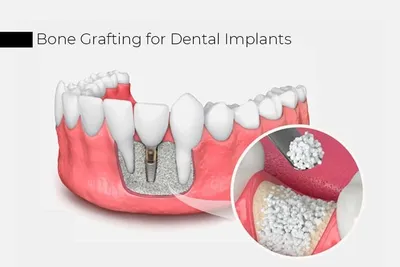
Bone grafting rebuilds volume, not guesswork
What is bone grafting for a dental implant?
Bone grafting is a procedure that adds graft material to a part of the jaw where bone has thinned, rebuilding enough volume to support a dental implant securely. It's only recommended when 3D imaging shows the site genuinely needs it — not every implant does.
When a tooth has been missing for a while, the jawbone underneath it can gradually thin — the bone simply doesn't need to do as much work without a tooth root to support, so it resorbs over time. That's not a problem in itself, but it can mean there isn't quite enough bone volume at the site to anchor an implant securely.
Bone grafting adds material to that site to rebuild volume, creating a stable foundation. It's typically given time to integrate with your existing bone before, or sometimes at the same time as, the implant is placed.
Three situations where grafting enters the conversation.
Not every implant needs grafting — it comes down to what your 3D imaging actually shows. These are the three situations where it's discussed most often.
A single tooth, missing for a while
- —The jawbone at that site may have thinned over time without a tooth root to support.
- —3D imaging tells us exactly how much bone is there before anything is recommended.
- —If grafting is worthwhile, it happens first and is given time to heal.
Several teeth, with mixed bone levels
- —With multiple sites it's common for bone volume to vary from site to site.
- —Some sites may need grafting while others don't — mapped per tooth, not as one blanket case.
- —You'll know which is which before any treatment begins.
A full arch after years of tooth loss
- —After years of missing teeth or long-term denture wear, bone across an arch commonly thins.
- —Grafting is discussed more often here than for a single implant.
- —3D imaging across the whole arch shows exactly where it's — and isn't — genuinely needed.
Suitability, healing time and results vary between individuals. Any surgical or invasive procedure carries risks — before proceeding, please seek a second opinion from an appropriately qualified health practitioner.
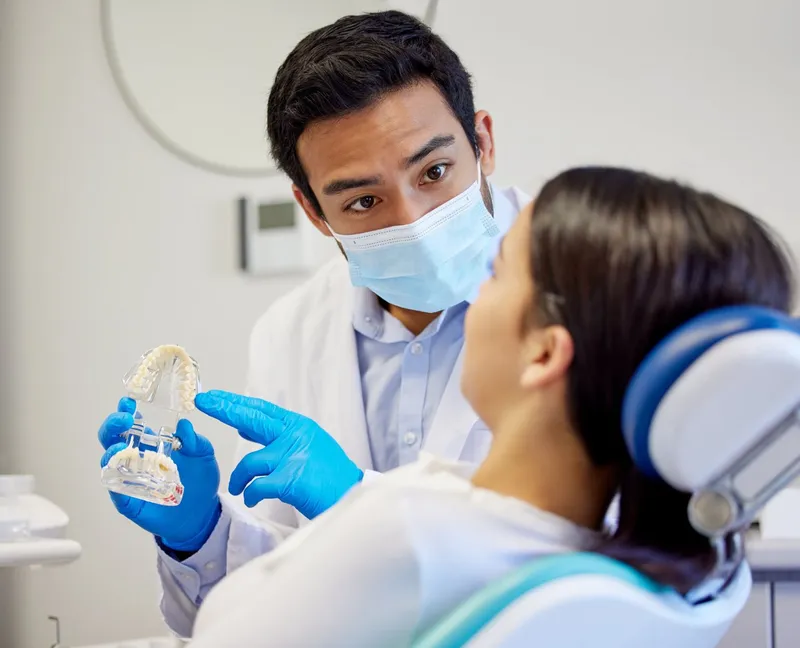
How grafting fits into an implant plan.
Grafting isn't a separate project — it's one step inside the implant plan, sequenced so healing happens properly before anything is loaded.
3D imaging & assessment
We measure bone volume at the site — and across every site involved — before grafting is ever recommended. It's a measurement, not an assumption.
Grafting, where it's genuinely needed
Graft material is placed at the sites that need it, then given time to integrate with your existing bone. Some sites may need it, others may not.
Healing time
The graft is typically given time to integrate before the implant is placed — sometimes the implant can be placed at the same time. Your dentist will explain which applies to you.
The implant, when the foundation is ready
Once the foundation is stable, the implant is placed and the rest of the plan continues as normal — with review appointments along the way.
Timelines vary between individuals, since grafting adds healing time of its own. We'll give you a realistic projected timeline once we've assessed your site.
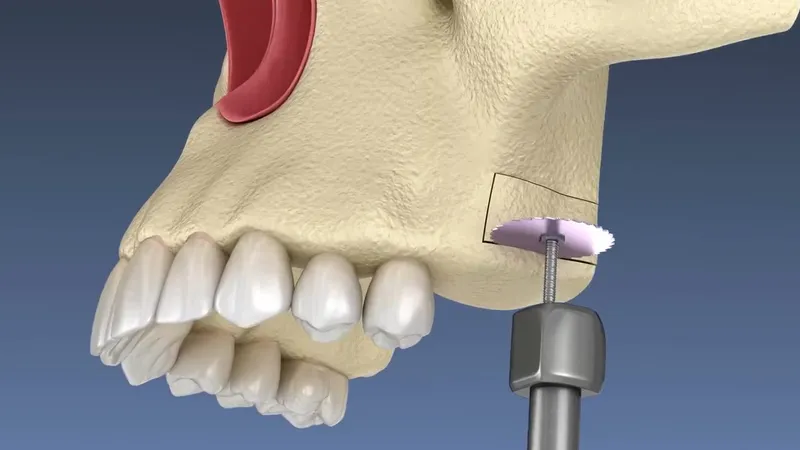
A sinus lift is bone grafting specific to the upper back jaw
If it's the upper back jaw, it may be a sinus lift instead.
A sinus lift is a specific type of bone grafting used only in the upper back jaw, where the maxillary sinus can sit close to the available bone. The sinus membrane is gently lifted and graft material placed beneath it, building the bone height an implant needs in that area.
It only applies to upper back sites, and like any grafting here it's only recommended where imaging shows it's genuinely required. Read the full sinus lift page →
Any surgical or invasive procedure carries risks. Before proceeding, please seek a second opinion from an appropriately qualified health practitioner.
What it means for cost.
Bone grafting, when it's needed, is costed as part of your overall implant plan — you'll always see the exact cost in writing once we've assessed your jaw with 3D imaging, before agreeing to treatment. Nothing is assumed or added without being explained first.
We work with payment options that spread cost across smaller, regular amounts. Repayment figures from the estimator are illustrative, calculated using Humm/NDP's own plan-fee formula for the term selected, so Humm's fees are already included; finance is subject to Humm's own eligibility criteria and approval, which may not be granted.
Curious what an implant plan might cost week to week? Open the repayment estimator → →
Estimate only — not a quote or credit approval. Your actual cost is confirmed at consultation, and depends on whether bone grafting or a sinus lift is needed.
We accept






The things people usually ask.
Let's look at your foundation first.
A short consultation with 3D imaging is usually enough to know whether bone grafting applies to you at all — with a clear, written cost estimate before you decide anything.
This page sits within the wider dental implants pathway, which also covers the full-arch All-on-X implant dentures route.