Toothache that wakes you.
Throbbing pain that comes on at night, or a dull ache you keep noticing through meetings. The nerve inside the tooth has often become inflamed or infected — and once that starts, it does not resolve on its own.

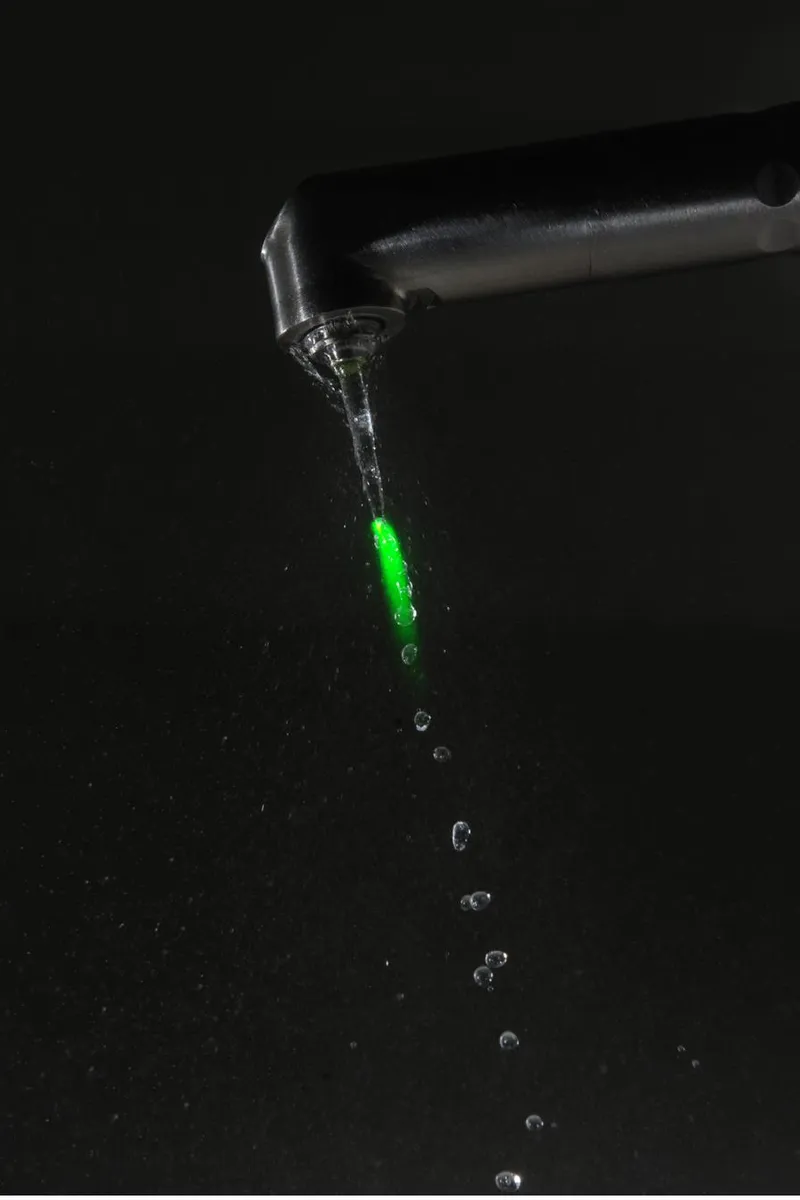
You've been eating on one side. Avoiding cold drinks. Hoping it might just settle. The tooth has been on your mind for months — and the word "root canal" hasn't helped. Laser-assisted endodontics offers a quieter, gentler way to address the tooth you've been worrying about, without removing it.
You probably don't need another lecture about why root canals matter. What you need is a clearer picture of what the actual appointment will feel like — and how the laser changes the part that worries most people.
So let's start there. No pressure. Just the facts, in plain English, from a team that has been doing laser endodontics for over a decade.
— The Magical Smiles laser team
Persistent toothache rarely "settles down" the way we hope it will. If any of the following has been part of your week, a consultation will help you understand what's actually happening — and what your options are.
Throbbing pain that comes on at night, or a dull ache you keep noticing through meetings. The nerve inside the tooth has often become inflamed or infected — and once that starts, it does not resolve on its own.
A short twinge from ice cream is one thing. Pain that keeps going for thirty seconds, a minute, or longer after the trigger has passed is a different signal — and worth investigating before it escalates.
A single tooth changing colour — particularly after past trauma — often means the inner pulp has lost vitality. Laser endodontics can be considered when imaging confirms the diagnosis.
A small bump on the gum, a bad taste, or facial swelling around a tooth — these usually point to infection at the root tip. This needs urgent assessment. Call the clinic directly.
Sometimes a previously root-canalled tooth becomes reinfected months or years later. Laser-assisted retreatment can be considered when imaging shows the original treatment is incomplete or has failed.
A knock to a front tooth, or a back tooth that has cracked under load, can damage the nerve even when the outside looks intact. Early assessment gives you the best range of options.
A tooth's root canal is not a single tube. It is a network — a main channel with hundreds of branching tubules running through the dentine. Conventional files clean the main canal mechanically, but they cannot reach the lateral branches. That is where laser-assisted irrigation changes the picture.
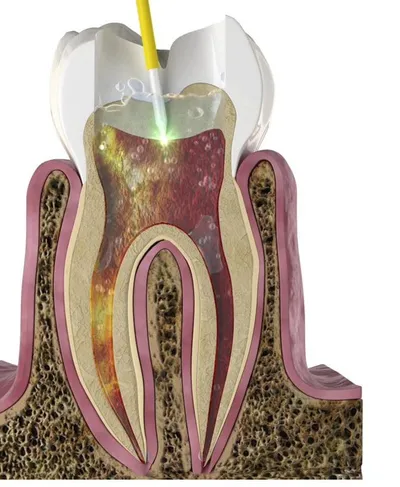
PIPS & SWEEPS — photoacoustic streaming through the canal system.
Even with the most modern rotary instruments, around 35% of the canal wall surface remains untouched after mechanical preparation. Irrigation solutions help — but the solution has to reach the area for it to do anything.
An Er:YAG laser tip is placed at the entrance of the canal — not inside it. Each pulse creates a vapour bubble that collapses and generates pressure waves through the irrigation solution. The solution itself becomes the cleaning agent, reaching three-dimensionally through the canal network.
PIPS (Photon-Induced Photoacoustic Streaming) uses sub-ablative pulses to generate streaming throughout the canal. SWEEPS (Shock Wave Enhanced Emission Photoacoustic Streaming) is a newer dual-pulse evolution that produces stronger, more controlled shock waves.
The Nd:YAG wavelength penetrates further into the dentinal tubules than irrigation alone — helpful for the bacteria that hide beyond the main canal wall. Used after PIPS/SWEEPS as a final disinfection step in the protocol.
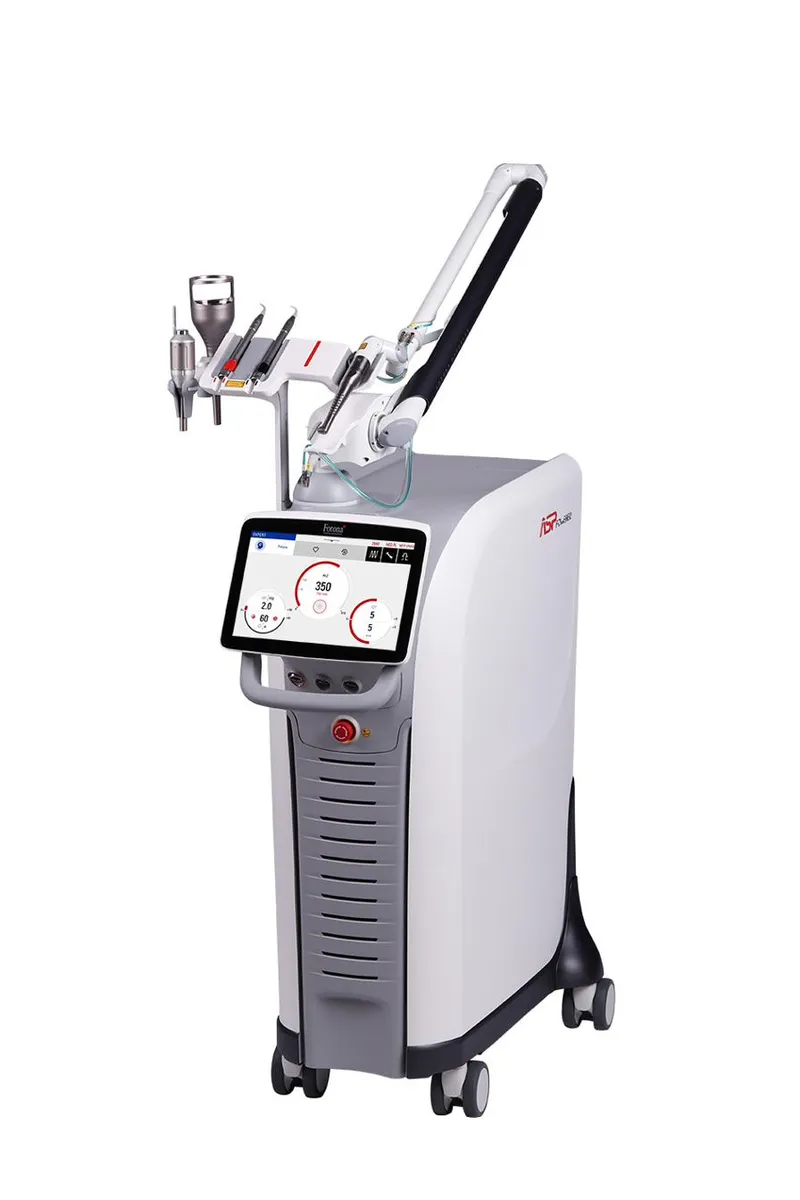 Fotona LightWalker II
The Fotona LightWalker is a dual-wavelength dental laser used for endodontics, periodontics, soft-tissue surgery and beyond. Each wavelength is suited to a different tissue — and in endodontic treatment, both play a role at different stages of the same appointment.
We chose the LightWalker because it is the platform with the most published endodontic protocols, including PIPS and SWEEPS. Our team has used it for over a decade.
Most people who avoid root canal treatment do so because they do not know what the appointment actually involves. Here is the full sequence — front-tooth and back-tooth cases follow the same pattern, just with more canals to clean in molars.
We examine the tooth, take a digital X-ray, and where indicated a 3D CBCT scan. We talk you through what we see, the options (including alternatives to root canal), and the likely outcome of each.
~ 30–45 minLocal anaesthetic is delivered using The Wand, our computer-controlled system. The needle is hidden, the flow is slow and steady, and the part most people fear most usually passes without them realising it has started.
~ 5 minA soft latex-free sheet isolates the tooth from saliva. It keeps the area clean, stops anything tasting unpleasant, and lets you breathe and swallow normally throughout.
~ 5 minA small opening through the top of the tooth gives access to the canals. Fine rotary files shape the main canals to receive irrigation. You will feel pressure but no sharpness.
~ 20–30 minThe Er:YAG laser tip is placed at the canal entrance. Short pulses generate photoacoustic streaming through the irrigation solution, cleaning the lateral canals and tubules conventional files cannot reach.
~ 5–10 minThe second wavelength is used for deeper disinfection into the dentinal tubules — a final step in the cleaning protocol before sealing the canal.
~ 3–5 minThe canals are filled with a biocompatible sealer and gutta-percha — a flexible material that prevents bacteria re-entering. A temporary or permanent restoration is placed on top.
~ 15–25 minFor most back teeth a crown is recommended over the following weeks to protect the tooth from fracture. We review at 6 and 12 months to confirm healing on imaging.
Separate visitsBoth approaches have been studied extensively in dental literature. Both can produce good outcomes when performed carefully. The difference is in how the canal system is cleaned — and how thoroughly the laser energy can reach areas conventional files cannot.
This comparison is a general summary based on dental literature and clinical experience. Individual outcomes vary depending on tooth anatomy, severity of infection, restorability, and post-treatment care. We will discuss the right approach for your specific tooth at your consultation.
Endodontics is not the kind of treatment that should bounce between three different practitioners. We see it through with you — diagnosis, treatment, and the final restoration — at the clinic you already feel comfortable in.
Our team has been performing laser-assisted endodontics with Fotona since the LightWalker platform first launched in Australia. PIPS and SWEEPS are not new to us.
Where a standard X-ray is not enough, we have CBCT 3D imaging in the clinic. The diagnosis is made on the same visit, not weeks later via an external referral.
Computer-controlled local anaesthetic delivery — the part of any dental visit most people quietly fear. Slow, steady, and usually over before you notice it has started.
If you would prefer to be more relaxed, we offer sedation options for endodontic appointments. Discuss this at your consultation — there is no judgement and no pressure either way.
The same dentist diagnoses, treats, restores, and reviews. No external referrals for the laser endodontic step. No relearning your file at a second clinic.
Caroline Springs, Bacchus Marsh, and Point Cook — all equipped with the Fotona LightWalker. Choose the clinic that suits your week.
These are the questions we hear most often in consultation. If yours is not on the list, call any of our three clinics and we will talk you through it.
Laser-assisted endodontics is designed to be gentle. Many patients describe the appointment as similar in comfort to having a large filling done — local anaesthetic is still used, and the laser steps themselves are short. Individual experience varies depending on the tooth, the severity of infection, and personal sensitivity. We will talk you through every step before we begin, and you can pause at any point.
Most laser-assisted root canals are completed in one or two visits of 60 to 90 minutes, depending on whether it is a front tooth (one root) or a molar (multiple roots). Retreatments and complex anatomy may need an additional visit. We will give you a clear timeline at your consultation, not a vague estimate.
In most cases yes — particularly for back teeth that take heavy chewing load. A root-canal-treated tooth becomes more brittle over time, and a crown protects it from fracture. Some front teeth can be sealed with a strong composite restoration instead. Your dentist will discuss the right option at your appointment, and quote both pathways so you have full visibility on cost before deciding.
Yes, in many cases. Laser-assisted retreatment can be considered when a previously root-canalled tooth has reinfected or shows signs of persistent inflammation on imaging. The laser energy can help disinfect areas that were difficult to reach during the original treatment. We will use 3D imaging at consultation to assess whether retreatment, surgical apicectomy, or extraction is the right path for your specific tooth.
Both are Fotona laser protocols for endodontic irrigation. PIPS (Photon-Induced Photoacoustic Streaming) was developed first and uses sub-ablative pulses to generate gentle streaming throughout the canal system. SWEEPS (Shock Wave Enhanced Emission Photoacoustic Streaming) is a newer dual-pulse protocol that produces stronger, more controlled shock waves — useful for complex anatomy and retreatment cases. Your dentist will select the appropriate protocol for your specific tooth. The same platform is also used for laser ceramic debonding.
Fees depend on the tooth being treated (front teeth have one canal, molars have three to four), the complexity of the canal anatomy, the number of visits required, and the final restoration. Most private health funds with dental extras provide rebates for endodontic treatment under item codes 414–417 (root canal preparation and obturation). We will provide a written quote and a HICAPS estimate at your consultation. Payment plans through Afterpay, ZipPay and dental finance are available.
Anxiety about root canal treatment is one of the most common reasons people put it off — often for years. We offer sedation options, the Wand for comfortable local anaesthetic delivery, longer appointment times, breaks whenever you need them, and a consultation-only first visit so you can meet the team before deciding anything. Tell us at the start that you would like to take it slowly. We work this way often.
With a well-sealed final restoration (usually a crown for back teeth) and good oral hygiene, root-canalled teeth can serve for many years. Outcomes depend on the tooth's restorability, the quality of the seal, and how the tooth is used. We review your treated tooth at 6 and 12 months with imaging to confirm healing at the root tip.
For children with damaged baby teeth or younger permanent teeth, modified pulp treatments using laser disinfection are considered case by case. Most paediatric endodontic needs are different from adult cases — we will assess at consultation. Eligible children may access benefits under the Child Dental Benefits Schedule (CDBS), subject to Medicare terms.
Yes — Caroline Springs, Bacchus Marsh, and Point Cook are all equipped with the Fotona LightWalker laser. Phone the clinic that suits your week and we will arrange a consultation. If you are in pain right now, mention that when you call — we will prioritise an assessment appointment that day where possible.
All three Magical Smiles clinics are equipped with the Fotona LightWalker. Choose the location that suits your week, parking, and the rest of your routine.
Burnside · Taylors Hill · Caroline Springs
Bacchus Marsh · Melton · Maddingley
Point Cook · Williams Landing · Sanctuary Lakes
No commitment, no pressure to proceed. We will look at the tooth, talk you through what we see, and outline the options — laser endodontics among them. You decide what happens next, in your own time.