
Dental Care Options
Laser Dentistry in Caroline Springs
How It Works
An Overview of Laser Dentistry
Some patients feel apprehensive about certain dental instruments, such as drills or scalpels, particularly during gum or soft tissue procedures. These tools can contribute to noise sensitivity or discomfort in some individuals.
Laser dentistry uses focused light energy for certain soft tissue procedures. In appropriate cases, this technology may be used to direct energy to specific treatment areas. Dentists may use laser devices alongside conventional tools as part of a tailored treatment approach, depending on the procedure and clinical needs of the patient.
Our Laser Dentistry Services
Laser Gum Treatment (LAPT) *
Laser-Assisted Periodontal Treatment (LAPT) is a minimally invasive procedure that may be used for managing gum disease in suitable cases. Using laser energy, LAPT targets infected tissue and bacteria. This approach is considered when appropriate for your clinical needs. Individual results vary, and consultation with your dentist is required to determine whether this treatment is suitable for your specific gum health condition.
Laser Gum Depigmentation
This procedure may be used to lighten dark or uneven gum pigmentation in suitable cases. A dental laser is used to gently remove the pigmented surface layer of the gums. It is generally performed for cosmetic reasons, and outcomes can vary depending on your gum tissue and pigmentation type. Your dentist will assess whether this treatment is appropriate for you as part of a personalised dental care plan.
Laser Root Canal Therapy
In some root canal treatments, a dental laser may be used alongside traditional methods to clean the root canal system. The laser delivers concentrated energy to areas during the procedure. It does not replace conventional root canal therapy but may be used as an additional technique. Your dentist will consider your specific diagnosis before deciding whether this method is suitable for you.
Laser Teeth Whitening
Laser teeth whitening is a professional treatment in which a whitening gel is applied to your teeth and activated by a dental laser. This process involves applying a whitening gel activated by a laser. Results depend on factors such as tooth structure, dietary habits, and existing discolouration. Your dentist will assess your oral health and advise whether this treatment aligns with your goals.
Laser Gum Lift
A laser gum lift, also known as gum contouring, involves reshaping the gumline using a focused light beam. It may be considered in situations where excess gum tissue affects the smile line or tooth proportions. The procedure is planned carefully, and outcomes vary depending on your gum anatomy and dental health. Your dentist will evaluate whether this technique is suitable as part of your cosmetic or functional dental plan.
At our clinic, we provide personalised cosmetic dentistry treatments tailored to your unique needs. These options are designed to enhance the appearance of your smile while promoting long-term oral health.
*Important Information About Cosmetic Procedures
Laser gum depigmentation, laser gum lift, and laser teeth whitening are cosmetic dental procedures.
Risk Statement
Any cosmetic, surgical, or invasive procedure carries risks. Before proceeding, you should seek a second opinion from an appropriately qualified health practitioner.
Consultation Requirement
A consultation with a registered dentist is required before any cosmetic treatment.
Practitioners Performing Cosmetic Procedures
Our cosmetic procedures are performed by the following registered dentists:
- – Dr. Rachna Yadav, Dentist – General Registration, AHPRA Registration: DEN0001046139
- – Dr. Ankita Morjaria, Dentist – General Registration, AHPRA Registration: DEN0002033944
- – Dr. Amolak Deep, Dentist – General Registration, AHPRA Registration: DEN0002514296
Full practitioner details are available in the “Get to Know Our Friendly Dental Team” section below.
What to Expect During Your Consultation
During your consultation, your dentist will:
- – Assess whether the procedure is suitable for your individual circumstances
- – Discuss potential benefits and risks specific to your oral health
- – Provide detailed risk information or direct you to where risk information can be found
- – Explain expected outcomes and any limitations
- – Answer your questions about the treatment process
Your dentist will determine if this approach is appropriate for you based on your gum anatomy, oral health status, and treatment goals.
Exploring Suitability for Laser Dentistry
- Patients with localised gum overgrowth may be considered for laser reshaping if this technique aligns with their gum anatomy, oral health status, and overall treatment objectives.
- Individuals who wish to address dark or uneven pigmentation on their gums may be suitable for laser depigmentation, depending on gum tissue type and clinical presentation.
- In certain cases, patients undergoing root canal therapy may have laser-based steps included, such as additional canal disinfection, where deemed appropriate by the attending dentist.
- Those exploring in-chair whitening may be eligible for laser activation, provided their enamel integrity and sensitivity levels meet clinical safety criteria.
Laser Dentistry Suitability Assessment
Modern Dental Technology
Why Choose Us
Laser dentistry offers a different approach to certain dental procedures using focused light energy. Your dentist will assess whether this method is suitable for you. At Magical Smiles Caroline Springs, we use dental lasers as part of our treatment options for suitable procedures. Individual experiences vary depending on the procedure and your specific condition.
A Comfortable Approach to Treatment
Dental lasers use focused light energy to target specific areas during suitable procedures. In some cases, this approach may be considered an alternative to traditional cutting tools, depending on the required treatment. Lasers may be used for certain soft-tissue procedures, such as gum contouring, managing gum disease, and addressing mouth sores, when clinically appropriate.
Experiences with laser treatment differ by procedure type and your specific oral health condition. Your dentist will assess whether laser treatment is appropriate for your situation and discuss what to expect during your consultation, including potential benefits and limitations.
Targeted Precision for Focused Treatment
Dental lasers are designed to direct energy to specific treatment areas. Your dentist will explain the approach for your procedure. Your dentist will explain how the laser will be used in your specific treatment.
Whether reshaping gum tissue or other suitable procedures, you’ll receive a full explanation of your treatment beforehand, and we’ll answer any questions you have about how the laser works and what to expect.
Clear Communication About Your Options
We know laser dentistry might be new to you, and it’s natural to have questions. Is it suitable for your condition? How does it feel? What’s the recovery like? We take time to walk you through these details before treatment begins, so you feel informed and comfortable with the approach.
Not every condition requires laser treatment—sometimes traditional methods are more appropriate. We’ll recommend appropriate treatments for your specific needs and explain why, giving you the full picture so you can make confident decisions about your care. Your comfort and understanding matter to us.
Meet the Team
Meet the Caring Dentists
Dr. Rachna Yadav
Principal DentistDEN0001046139, General Registration
Dr. Rachna Yadav leads the team with a careful and considerate approach, providing family and cosmetic dental services and tailoring treatments to each patient’s specific needs.
Learn More
Dr. Amolak Deep
DentistDEN0002514296, General Registration
Dr. Amolak Deep is passionate about oral health education and works closely with patients to help maintain long-term dental health.
Learn More
Dr. Ankita Morjaria
DentistDEN0002033944, General Registration
Dr. Ankita Morjaria enjoys working with both adults and children. She focuses on preventive care and creating positive dental experiences.
Learn More
Dr. Christian Eskander
DentistDEN0002607690, General Registration
Dr. Christian Eskander uses current dental techniques with a patient-centred approach, planning treatments to suit a wide range of patient needs.
Learn MorePayment Options
Flexible Payment Options for Dental Care
We believe everyone deserves access to dental care, which is why Magical Smiles Caroline Springs offers a range of flexible payment options to help make your treatment more manageable.
SuperCare
(Early Release of Superannuation for Dental Treatment)
SuperCare is a third-party service that facilitates Australian Taxation Office applications for early release of superannuation. In limited circumstances, patients who meet strict ATO eligibility requirements may access their super to fund medically necessary dental procedures.
*Early super access may significantly impact your long-term financial security. We recommend exploring alternative payment options and seeking independent financial advice before considering this option. Treatment recommendations are based solely on clinical necessity, not on your payment method. Eligibility is assessed by the ATO, not by this clinic.
Frequently Asked Questions
Answers to your Common Concerns
What is the cost of laser dentistry treatments?
The cost of laser-assisted dental treatment varies depending on the type of procedure, the treatment area, and individual oral health needs. Your dentist will provide a personalised quote after assessing your condition and discussing options.
Several factors can influence the overall cost:
- Type of procedure:
Fees may differ between treatments, such as gum lifts, depigmentation, root canal therapy, or laser whitening. Each procedure involves different clinical steps and equipment.
- Extent of treatment:
More complex or widespread procedures, such as addressing multiple teeth or larger areas, may involve additional time and planning, which can affect pricing.
- Technology and equipment used:
Different laser systems are designed for specific applications. The type of technology used may contribute to the overall cost of treatment.
- Time required:
Procedures that require longer appointments or staged visits may be priced differently from shorter, single-session treatments.
- Diagnostic or follow-up care:
Some treatments may require imaging, planning, or review appointments, which can add to the overall cost.
- Clinic location:
Pricing can vary between urban and regional areas due to differences in operating costs.
- Scope of treatment plan:
If laser therapy is part of a broader dental plan, such as cosmetic or restorative care, pricing will reflect the full course of treatment.
- Individualised care:
Tailored procedures that are adjusted to your specific oral health situation may differ in cost compared to standardised treatments.
For pricing information specific to your treatment needs, contact our practice. Your dentist will provide a detailed quote following assessment of your oral health condition.
Am I a candidate for laser dentistry?
Laser dentistry is not suitable for every patient or every type of treatment. Your dentist will need to assess your oral health, treatment goals, and clinical needs before recommending this approach. Suitability varies between individuals and depends on the specific procedure being considered.
Laser use may be considered in situations such as:
- Soft tissue procedures:
A laser may be used for reshaping or removing small areas of gum tissue. This can include treatments such as gum contouring or managing gum overgrowth. Whether this method is appropriate depends on your gum health and the dentist’s assessment.
- Localised inflammation or overgrowth:
In some cases, lasers can help address inflamed or enlarged gum areas. This decision is made based on the severity and location of the condition. Your dentist will also review whether conventional techniques may be more suitable.
- Teeth whitening:
Certain whitening systems may use lasers to activate the whitening agent. Not all patients are candidates, as factors like enamel thickness, tooth sensitivity, and previous dental work must be considered. Your dentist will confirm if this method is appropriate for you.
- Root canal therapy:
A laser may sometimes be used during the cleaning process of root canal treatment. This is determined by the anatomy of the tooth and the level of infection present. Your dentist will decide whether incorporating a laser offers a safe option for your situation.
- Case-by-case planning:
Lasers are one of several tools available in modern dentistry. They are not always required or recommended for every case. Your dentist will explain the options and outline why a laser may or may not be included in your treatment plan.
Are there any risks or limitations to laser dentistry?
Like all dental procedures, laser use has certain considerations. It is not suitable for every patient or every type of treatment, and your dentist will decide whether it is appropriate after assessment. Understanding possible risks or limitations can help you feel prepared and confident about your treatment options.
Some points to be aware of include the following:
- Limited application:
Lasers are commonly used for soft tissue procedures, but they are not appropriate for all treatments. For example, they may not fully replace conventional tools for hard tissue work, such as fillings. Your dentist will decide whether lasers are suitable for your particular procedure.
- Case selection:
The effectiveness of laser use depends on the treatment type and oral condition. What works well for one person may not be appropriate for another. Your dentist will consider your clinical presentation before recommending laser use.
- Treatment costs:
Laser procedures may sometimes require different equipment or appointment arrangements compared to conventional methods. This may affect the overall cost of treatment. Your dentist will provide a detailed quote before proceeding.
- Sensitivity:
Some patients may notice temporary gum or tooth sensitivity following a laser procedure. The degree of sensitivity can vary depending on the treatment performed and the individual’s response. In many cases, this settles within a short time.
- Not universally available:
Not all dental clinics use laser technology. Availability depends on the type of equipment the clinic has and the dentist’s scope of practice. If a laser is not an option, conventional alternatives are provided.
- Tissue damage:
If laser intensity or handling is not carefully managed, surrounding areas may be affected. This can include burns to healthy gums, sensitivity, or, in uncommon cases, heat-related injury to teeth or bone.
When considering laser dentistry in Caroline Springs, it’s important to be aware that not all procedures or patients are suited to laser use. Your dentist will assess your needs and recommend appropriate options based on clinical suitability.
What does the laser look like?
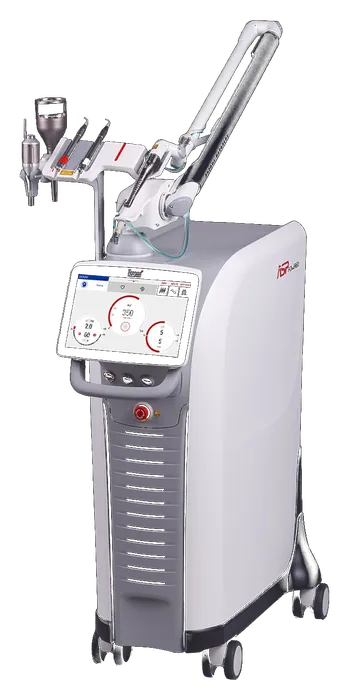
Dental lasers are generally compact devices designed for use in the dental chair. They consist of a main unit and a handheld piece that your dentist operates during the procedure. The overall appearance may differ depending on the model and type of laser being used.
Common physical features include the following:
- Handpiece:
The handpiece often looks like a slim wand or pen-shaped tool. It is designed to be held comfortably while the dentist directs the beam to the appropriate area. The shape allows controlled movement without being bulky or difficult to handle.
- Base unit:
The laser handpiece is connected to a base, which contains the power source and controls. This unit is usually placed beside the dental chair for easy access. It often has a display screen where settings can be adjusted.
- Light tip:
At the end of the handpiece is a small tip that emits a narrow beam of light. The colour of the light can vary depending on the wavelength and system used. The beam itself is focused and visible only when activated.
During any procedure involving lasers, protective eyewear may be provided for both the dentist and the patient. This eyewear is part of standard precautions to reduce light exposure to the eyes. The exact type of laser chosen will depend on the treatment planned and the dentist’s clinical judgement.
What does the laser do?
Dental lasers produce a narrow beam of light that can be applied in various dental procedures. The way the laser is used depends on the type of treatment and the area of the mouth involved. Your dentist will adjust the settings to suit the clinical requirements of the procedure.
Lasers may be used to:
- Modify soft tissue:
A dental laser can reshape or remove small amounts of gum tissue. This may be done during procedures such as gum lifts or reducing overgrowth. The decision to use a laser depends on your gum condition and the treatment plan.
- During root canal therapy:
In some cases, lasers may be used within the root canal space alongside conventional cleaning methods. Your dentist will determine whether this approach is appropriate for your tooth and treatment stage.
- Activate whitening agents:
Certain in-chair whitening systems may include the use of a laser to help activate the whitening gel. This process can vary depending on the system being used and the condition of your enamel. Your dentist will assess whether laser activation is suitable for your situation.
- Address gum pigmentation:
A laser may be used to lighten darker areas on the gums through a process called depigmentation. This is considered a cosmetic procedure, and not all patients are candidates. Suitability is determined after an assessment of gum tissue and overall oral health.
- Tissue response:
The heat from a dental laser may affect tissue response during certain soft-tissue procedures. Your dentist will monitor the treatment area and explain the approach being used.
What should I know about safety and laser dentistry?
Safety is an important consideration in all dental treatments, including those involving lasers. Dental lasers are used with precautions to protect patients and the dental team during procedures. Your dentist will explain the measures that apply to your specific treatment.
Key points about safety include the following:
- Protective eyewear:
Patients and staff may be provided with tinted glasses while the laser is in use. These glasses are designed to reduce exposure to the light beam. They form part of routine safety steps in the dental setting.
- Controlled settings:
The dentist adjusts the laser’s settings according to the treatment being performed. These settings vary depending on the tissue type and procedure requirements. This process helps to use the laser appropriately for each situation.
- Trained use:
Dentists who use lasers receive training in their operation. The device is used according to clinical protocols. All laser procedures carry risks, which your dentist will discuss with you.
- Not suitable in all cases:
Lasers are not appropriate for every treatment or patient. In some situations, conventional tools are more suitable. Your dentist will advise which method is appropriate after an examination.
- Monitoring during treatment:
The dentist observes your mouth while the laser is in use. They look at how the tissues respond and adjust the approach if needed. This monitoring helps maintain safe use throughout the laser dental procedure.
How might laser dentistry feel during treatment?
The sensations experienced during laser dentistry can differ from person to person. They also depend on the procedure, the area of the mouth, and your individual sensitivity.
Patients may notice the following:
- Sensation of warmth:
The laser produces light energy that can create a mild warming feeling in the area being worked on. Some patients notice this more than others. The sensation usually subsides once the laser is no longer active.
- Minimal vibration or pressure:
Dental lasers usually do not produce the same vibration as traditional tools. You may still feel gentle pressure from the handpiece during use. Experiences vary depending on the procedure.
- Localised tingling:
Some people report a tingling feeling in the gums or teeth when a laser is used. The level of sensation depends on the individual and the treatment involved. It generally subsides quickly after the procedure finishes.
- Numbness or anaesthetic use:
In some situations, your dentist may recommend a local anaesthetic to reduce discomfort. Whether this is necessary depends on the procedure and your sensitivity. This decision is always made after a clinical assessment.
What does the laser feel like?
The sensation during laser use can vary between individuals. Some people notice a light warming feeling in the treatment area, while others may experience tingling or prickling. These responses can vary depending on the procedure and the individual. Not everyone experiences the same sensation.
In some cases, patients may also feel a gentle sense of pressure as the handpiece is moved. Dental lasers operate differently from some traditional instruments. The sensation during use may feel unfamiliar if you haven’t experienced laser treatment before. Because comfort levels differ between individuals, your dentist will discuss what you might expect before starting treatment. This conversation helps prepare you for your specific procedure.
At our clinic, we may use dental laser technology in Caroline Springs as part of certain dental procedures. Experiences with laser treatment can differ between patients, and your dentist will advise whether this approach is suitable for your individual needs.