We Are Now Open For All Dental Services! Contact Us

Orthodontic Treatment Options

Achieve Straighter Teeth with Orthodontics in Caroline Springs

Orthodontics in Caroline Springs may help improve the alignment of your teeth. Our friendly team offers tailored treatment plans for your oral health goals.

Orthodontics for Healthy Smiles

Enhancing Function, Comfort, and Appearance

Misaligned teeth or bite issues can affect not only your smile’s appearance but also your ability to chew, speak, and maintain good oral hygiene. If not managed, these concerns may lead to decay, gum disease, jaw discomfort or uneven tooth wear.

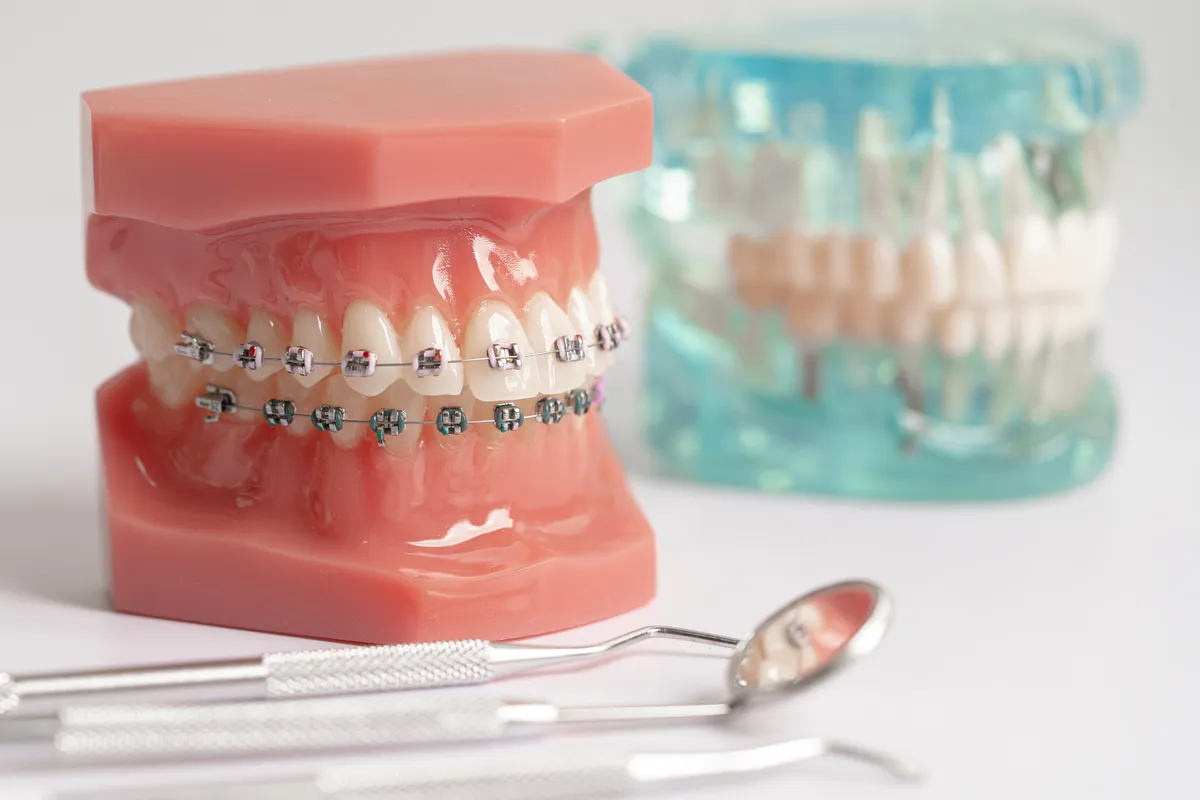
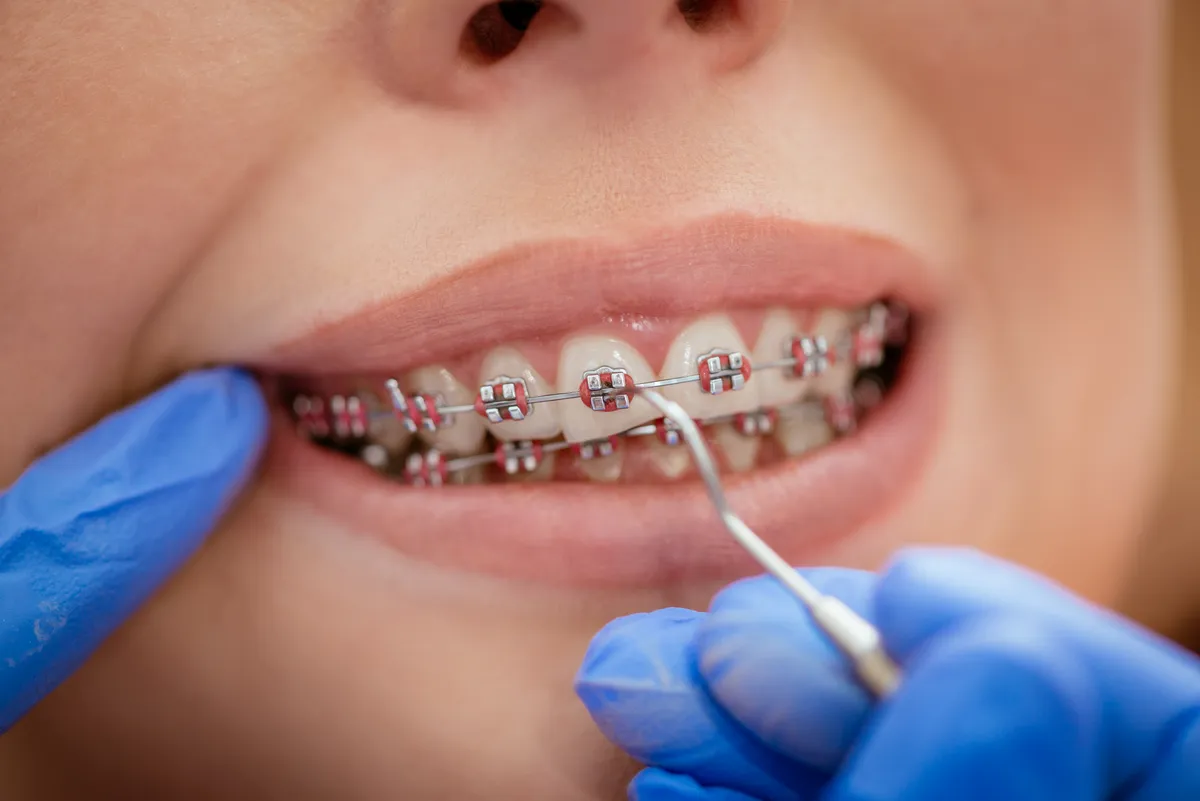
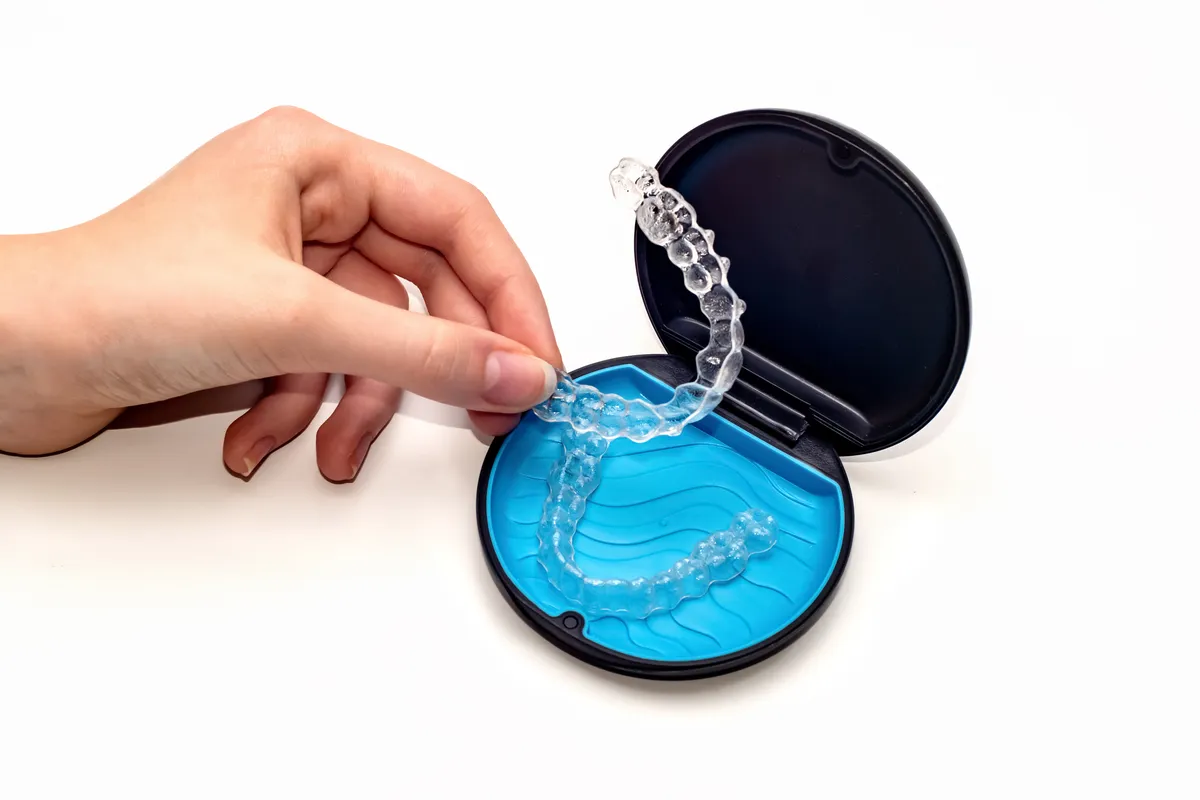
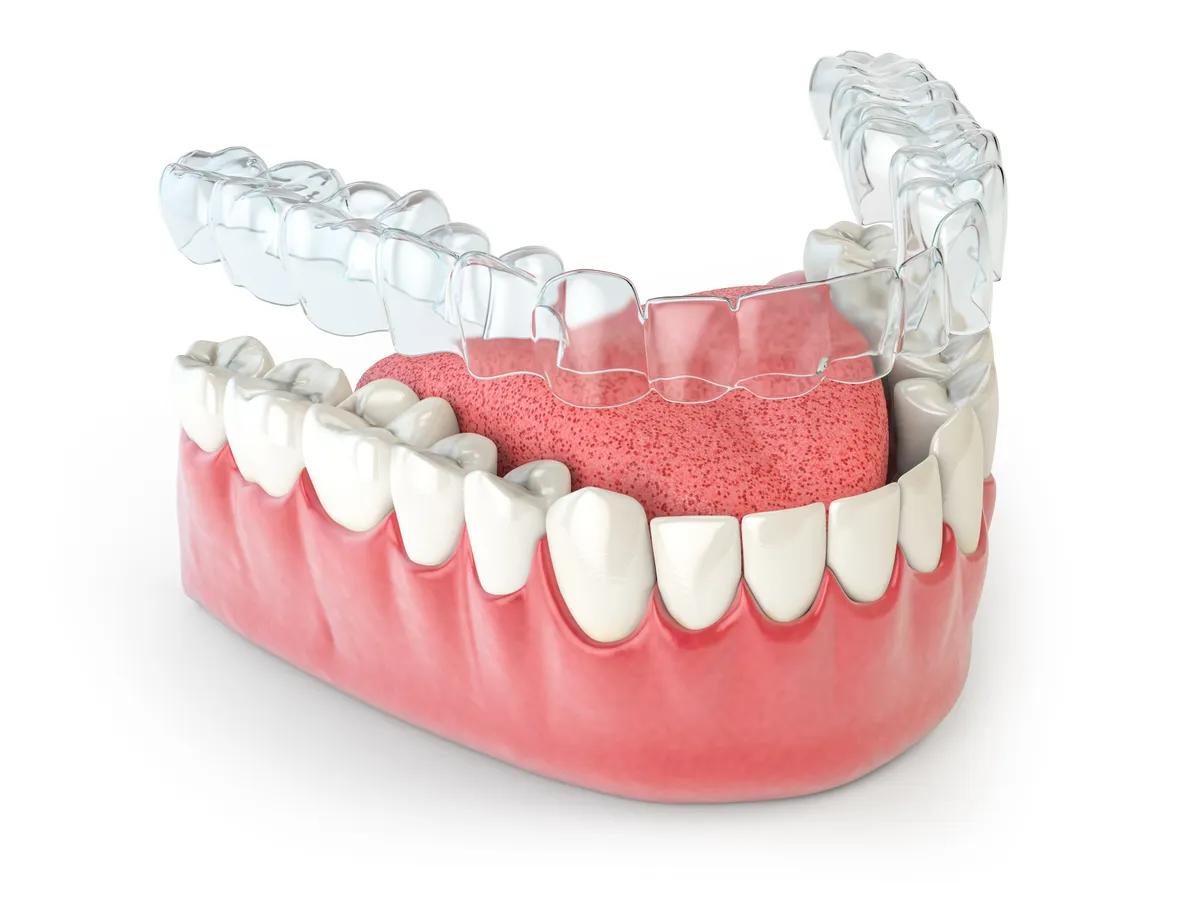
Orthodontics is a dental treatment focused on adjusting the alignment of teeth and jaws. Through treatments such as braces or clear aligners, your dentist can help improve oral function, reduce the risk of future dental problems, and create a more balanced smile appearance.
.

top orthodontics

Our Orthodontic Care Services

Orthodontic treatment at Magical Smiles Caroline Springs aims to support healthy dental development for children, teens, and adults. We offer a range of treatment options to suit your lifestyle and needs.
candidate orthodontics

Find Out if You’re a Suitable Candidate

Teeth straightening in Caroline Springs may be right for you if you’re experiencing challenges with tooth alignment, bite function, or jaw development. Here are common reasons why patients consider seeing a dentist for orthodontic care:

  • You want to improve the appearance and alignment of crowded, gapped, or crooked teeth. This can help improve your smile and support clear speech in social or professional settings.
  • You may find it difficult to bite, chew, or speak clearly. This can result from misaligned teeth or jaw conditions affecting your comfort and oral function.
  • You’re a parent concerned about your child’s developing bite, jaw alignment, or tooth spacing. You’re seeking professional guidance on early orthodontic assessment and treatment options.
  • You’re an adult who is seeking a discreet, modern way to straighten your smile—such as clear aligners—without noticeable metal braces.

Start Your Orthodontic Journey With Us

Begin your orthodontic journey with our experienced team in Caroline Springs. We provide tailored treatment plans to help improve your smile’s alignment, function, and overall oral health.
mid bmd cta img min new

Clear Options, Caring Support

Why Choose Us
for Teeth Straightening

Pursuing orthodontic treatment can feel daunting, but at Magical Smiles Caroline Springs, we make it personal and clear. Whether you’re an adult who wants a straighter smile or you want to guide your child through early orthodontics, our team provides professional guidance.
why choose orthodontics 1

Orthodontic Options for All Ages

Your orthodontic treatment should suit your age, goals, and lifestyle. That’s why we offer a full range of options, from early intervention therapies to braces and clear aligners. We’re here to guide every teen, adult, or parent with personalised care and professional recommendations.

Whether you’re considering Invisalign, ClearCorrect, traditional braces, or Myobrace®, we’ll help you explore each option. We’ll explain how it fits into your or your child’s overall treatment plan. Our focus is always on finding the right fit—clinically, personally, and financially.

Convenient, Caring Experience

We understand that time and cost are important considerations. That’s why we offer flexible scheduling and payment plans, including the National Dental Plan. We aim to make orthodontic care accessible, manageable, and stress-free.

From your first consultation through to retainer placement, our team is here to guide you throughout your treatment. We provide clear explanations, supportive guidance, and a focus on your oral health goals.

why choose orthodontics 2
why choose orthodontics 3

Experienced Care, Professional Guidance

Led by Dr. Rachna Yadav, our team brings over 20 years of experience in guiding patients through orthodontic treatment. From mild alignment issues to complex bite concerns, we’ve helped patients of all ages work towards straighter, healthier smiles.

We stay current with modern techniques while grounding everything we do in honest communication and patient-first values. It’s not just about straighter teeth—it’s about working towards a result that supports your long-term oral health and may improve your smile’s appearance.

Meet the Team

Get to Know Our Friendly Dental Team

At Magical Smiles Caroline Springs, the experienced, patient-focused, and approachable dentists are committed to providing dental services for patients of all ages. Meet the team caring for your dental health.

Dr. Rachna Yadav

Principal Dentist
DEN0001046139, General Registration

Dr. Rachna Yadav leads the team with a careful and considerate approach, providing family and cosmetic dental services and tailoring treatments to each patient’s specific needs.

Learn More

Dr. Amolak Deep

Dentist
DEN0002514296, General Registration

Dr. Amolak Deep is passionate about oral health education and works closely with patients to help maintain long-term dental health.

Learn More

Dr. Ankita Morjaria

Dentist
DEN0002033944, General Registration

Dr. Ankita Morjaria enjoys working with both adults and children. She focuses on preventive care and creating positive dental experiences.

Learn More

Dr. Christian Eskander

Dentist
DEN0002607690, General Registration

Dr. Christian Eskander uses current dental techniques with a patient-centred approach, planning treatments to suit a wide range of patient needs.

Learn More

Payment Options

Flexible Payment Options to Make Dental Care More Accessible

We believe everyone deserves access to dental care, which is why Magical Smiles Caroline Springs offers a range of flexible payment options to help make your treatment more manageable.

AfterpayZip PayHummSuperCareHICAPSDental Care for DVA Card HoldersChild Dental Benefits Schedule
suercare img min.png

SuperCare
(Pay With Your Super)

SuperCare is a third-party service that facilitates Australian Taxation Office applications for early release of superannuation. In limited circumstances, patients who meet strict ATO eligibility requirements may access their super to fund medically necessary dental procedures.

*Early super access may significantly impact your long-term financial security. We recommend exploring alternative payment options and seeking independent financial advice before considering this option. Treatment recommendations are based solely on clinical necessity, not on your payment method. Eligibility is assessed by the ATO, not by this clinic.

Frequently Asked Questions

Your Orthodontic Questions, Answered Here

We’ve answered common orthodontic questions to help you better understand your treatment options and costs. Our goal is to provide clear, evidence-based guidance tailored to your needs.

Orthodontic treatment is a dental service that focuses on diagnosing, preventing, and addressing alignment irregularities in teeth and jaws. It can involve bonded or removable appliances, such as braces, aligners, and retainers. Dentists use these treatments to improve dental alignment, bite function and oral health. The approach depends on the patient’s age, dental condition, and specific treatment goals.

Orthodontic care can address issues like crowding, spacing, overbites, underbites, and misaligned jaws. Treatment duration varies based on the complexity of the case and response to care. Regular monitoring helps maintain the appliances’ effectiveness and allows adjustments when needed. Outcomes can promote better chewing, oral hygiene, and long-term dental stability.

The length of orthodontic treatment can vary for each person, depending on their dental needs and treatment plan. Here are the key factors that influence how long treatment may take:

  • Typical Treatment Duration:

    Most orthodontic treatments, including braces or clear aligners, usually take between 12 and 24 months to complete. Some treatments may be shorter or longer, depending on the complexity of the case. Some cases requiring minimal tooth movement may be completed in 6–9 months, while severe crowding, significant bite problems, or cases requiring tooth extractions may take 30–36 months or longer.

  • Severity of the Bite or Alignment Issue:

    Complex bite misalignment or cases that require significant tooth movement often take a longer treatment period compared to mild orthodontic cases.

  • Type of Orthodontic Appliance:

    The type of orthodontic appliance can influence the estimated treatment time. Different systems work at varying speeds to move teeth.

  • Patient Compliance:

    Following your dentist’s instructions—such as wearing aligners for the recommended hours or attending scheduled adjustments—can help keep treatment on track.

  • Age of the Patient:
    Younger patients often experience faster tooth movement because their jaws and bones are still developing. Adults may need more time as their bone structure is fully mature.

Treatment times are always tailored to the individual, and your dentist can provide a more accurate estimate after a thorough assessment.

Determining whether your child needs braces involves observing specific signs and seeking professional assessment from a dentist. Early identification can help address alignment and bite concerns before they develop into more complex issues. Here’s what to look for and when to take action: Common Signs Your Child May Need Braces
  • Crowded or Overlapping Teeth: If your child’s teeth appear crooked, crowded, or overlapping, it may indicate insufficient space in the jaw.
  • Early or Late Loss of Baby Teeth: Losing baby teeth too early or too late can affect the eruption of adult teeth, potentially leading to alignment problems.
  • Difficulty Chewing or Biting: Your child may have a bite issue if they struggle to chew food evenly. Frequent cheek biting can also be a sign.
  • Mouth Breathing or Thumb Sucking: Persistent mouth breathing or thumb sucking beyond age four can impact jaw development and tooth positioning.
  • Misaligned Jaw or Facial Asymmetry: A visibly unbalanced bite or shifting jaw movements when opening or closing the mouth may suggest an orthodontic concern.
  • Speech Difficulties: Lisping or unclear speech can sometimes be linked to misaligned teeth.
When to See an Orthodontist
  • Initial Assessment Around Age 7: Dentists recommend that children have their first orthodontic evaluation by age seven, even if no obvious issues are present.
  • Referral from a General Dentist: Your family dentist may notice early warning signs during routine checkups and recommend a consultation.
  • Concerns from Parents or Teachers: If you or others notice speech problems, difficulty eating, or unusual jaw habits, it’s a good idea to seek a professional opinion.
Recognising these signs early allows for timely intervention, which can make orthodontic treatment more effective and less complex. A dentist can provide a clear diagnosis and guide you through the most appropriate options for your child. If you’re seeking orthodontics in Caroline Springs, contact us today!

Determining whether your child needs braces involves observing specific signs and seeking professional assessment from a dentist. Early identification can help address alignment and bite concerns before they develop into more complex issues. Here’s what to look for and when to take action:

Common Signs Your Child May Need Braces

  • Crowded or Overlapping Teeth:

    If your child’s teeth appear crooked, crowded, or overlapping, it may indicate insufficient space in the jaw.

  • Early or Late Loss of Baby Teeth:

    Losing baby teeth too early or too late can affect the eruption of adult teeth, potentially leading to alignment problems.

  • Difficulty Chewing or Biting:

    Your child may have a bite issue if they struggle to chew food evenly. Frequent cheek biting can also be a sign.

  • Mouth Breathing or Thumb Sucking:

    Persistent mouth breathing or thumb sucking beyond age four can impact jaw development and tooth positioning.

  • Misaligned Jaw or Facial Asymmetry:

    A visibly unbalanced bite or shifting jaw movements when opening or closing the mouth may suggest an orthodontic concern.

  • Speech Difficulties:
    Lisping or unclear speech can sometimes be linked to misaligned teeth.

When to See an Orthodontist

  • Initial Assessment Around Age 7:

    Dentists recommend that children have their first orthodontic evaluation by age seven, even if no obvious issues are present.

  • Referral from a General Dentist:

    Your family dentist may notice early warning signs during routine checkups and recommend a consultation.

  • Concerns from Parents or Teachers:
    If you or others notice speech problems, difficulty eating, or unusual jaw habits, it’s a good idea to seek a professional opinion.

Recognising these signs early allows for timely intervention, which can make orthodontic treatment more effective and less complex. A dentist can provide a clear diagnosis and guide you through the most appropriate options for your child. If you’re seeking orthodontics in Caroline Springs, contact us today!

The cost of Invisalign treatment can vary depending on several personal and clinical factors. Below are the key considerations that influence how much you may pay for Invisalign:

  • General Price Range:

    Invisalign treatment typically costs between $4,000 and $10,000, depending on the complexity of your case and the number of aligners required.

  • Mild vs. Complex Cases:

    Milder cases requiring minimal tooth movement usually cost less and fall at the lower end of the price range. More complex cases that need longer treatment time often involve higher costs due to additional aligners and appointments.

  • Customised Treatment Planning:

    Your dentist customises each Invisalign treatment using digital scans to plan tooth movement accurately and efficiently. The level of planning and monitoring required can influence the total cost of your Invisalign treatment.

  • Inclusions and Additional Costs:

    The total fee may include consultations, aligners, review visits, and retainers, depending on the treatment plan. Ask your dentist whether these costs are itemised separately or bundled into the total quote.

  • Health Funds and Payment Plans:
    Some private health fund policies may cover part of the cost of orthodontic treatment, depending on your level of cover. Many dental clinics offer interest-free payment plans to make treatment more manageable over time.

Some patients exploring clear aligners in Caroline Springs appreciate the discreet, removable option for achieving a straighter smile. Your dentist will assess your teeth and discuss your goals before preparing a personalised Invisalign treatment quote. They will explain what the quote includes so you can choose a treatment plan that suits your needs.

The cost of braces depends on several factors, including the type of appliance and the complexity of your orthodontic needs. At our dental clinic, we’ll assess your bite and alignment before providing a personalised treatment plan. This plan will include a clear breakdown of the total cost based on your case. Additional procedures, like tooth extractions or fillings, may affect the final pricing.

Different types of braces—such as metal, ceramic braces or lingual braces—can vary in cost due to materials and customisation. Some private health fund policies may cover part of your orthodontic treatment, depending on your level of cover. We offer flexible payment options to help make treatment more manageable for patients and families.

Your dentist will guide you through the financial and clinical considerations during your initial consultation. If you’re looking for braces in Caroline Springs, contact us now.

While both general dentistry and orthodontics fall under the broader field of oral health care, they serve different purposes and require distinct areas of clinical knowledge. The table below outlines the key differences between general dentistry and orthodontics:

AspectGeneral DentistryOrthodontics
Primary FocusGeneral dentistry focuses on the overall health of the teeth, gums, and mouth.Orthodontics focuses specifically on adjusting misaligned teeth and jaws.
Scope of ServicesIt includes services like checkups, fillings, professional cleaning, extractions, and gum care.It includes treatments such as braces, clear aligners, and other dental appliances for bite adjustments.
QualificationsA general dentist completes a dental degree and provides a broad range of care.A dentist completes additional advanced training after a dental degree to address alignment issues.
Treatment GoalsThe goal is to prevent, diagnose, and address common dental problems like decay and gum disease.The goal is to improve the position of the teeth and jaws to enhance function and appearance.
Patient ReferralsPatients can visit a general dentist for routine care without a referral.General dentists may refer patients to dental specialists in orthodontics for targeted treatment planning.

Understanding the difference between these two fields can help patients understand which type of care is appropriate for their oral health needs.

Orthodontic treatment can help address a wide range of dental and jaw alignment concerns, improving function and aesthetics. Below are specific issues that orthodontics may be able to manage:

  • Crowded Teeth:

    Orthodontic treatment can gradually move overcrowded teeth into better alignment, making it easier to clean and maintain oral hygiene.

  • Spacing or Gaps Between Teeth:

    Spaces between teeth can occur due to missing teeth or natural spacing. Orthodontic appliances can help close these gaps gradually.

  • Overbite:

    An overbite happens when the upper front teeth significantly overlap the lower front teeth. Orthodontic treatment can help reduce this overlap.

  • Underbite:

    Orthodontics can help reposition the lower jaw or teeth when the lower front teeth extend beyond the upper front teeth. This condition is called an underbite, and it requires tailored treatment depending on the case severity and individual patient needs.

  • Crossbite:

    In a crossbite, some upper teeth sit inside the lower teeth instead of outside. Orthodontic treatment can help adjust this misalignment.

  • Open Bite:

    An open bite occurs when the upper and lower teeth do not make contact when the mouth is closed, leaving a space between them. Orthodontic treatment can help close this gap, improving bite function and overall appearance.

  • Jaw Alignment Issues:

    Orthodontic appliances can improve jaw positioning, which may reduce discomfort, enhance chewing efficiency, and promote long-term joint health.

  • Impacted or Ectopic Teeth:
    Orthodontics may be used to guide impacted teeth (teeth stuck beneath the gums) into their proper position within the dental arch.

Orthodontic treatment is always tailored to your diagnosis after a thorough assessment by your dentist. They will explain suitable treatment options based on your needs, oral health, and desired outcome.

Book a Consultation to Discuss Your Options

Contact us to discuss your oral health needs and available options with the registered Magical Smiles Caroline Springs dentists.
Request An Appointment