
What if that one tooth stopped being the thing you think about first?
Maybe it's a back tooth that's cracked around an old filling. Maybe it's a gap you've gotten used to covering with your hand when you laugh. A crown or a bridge is a well-tested way to make a tooth — or a few teeth — feel solid and unremarkable again. We'll talk you through which one actually fits your situation before anything is decided.

The moment before you make the call
It's usually one tooth that started everything.
A damaged or missing tooth rarely announces itself all at once. It tends to show up in small adjustments you've made without really noticing — until they add up. If a few of these feel familiar, it's worth a calm conversation.
Favouring one side when you eat, without really deciding to.
A tooth that's cracked, chipped, or held together by an old, large filling.
A gap from a missing tooth you've learned to hide in photos or conversation.
Sensitivity to hot or cold that wasn't there before.
A tooth that's changed shape or colour, often after root canal treatment.
Book a consultation — or compare crown and bridge first.
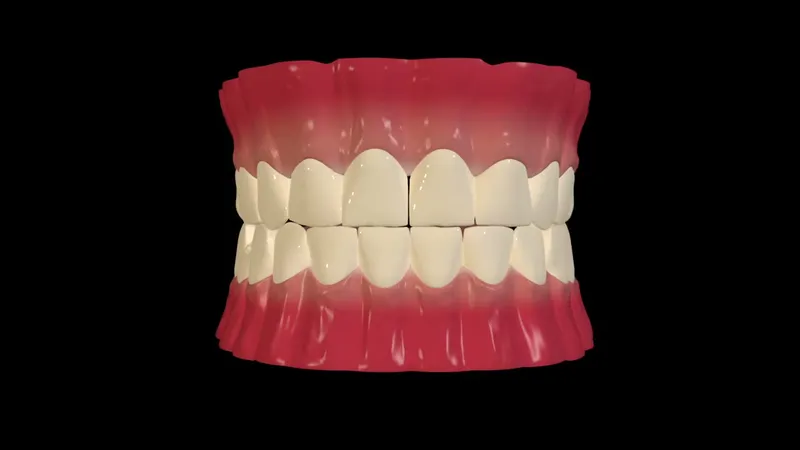
A 3D look at how a tooth is prepared for a crown
What a crown actually is.
A crown is a custom-made cap that fits over the whole visible part of a tooth, replacing the outer layer completely. Think of it less as a filling and more as a new outer shell — it takes over the job of biting and chewing so the tooth underneath doesn't have to carry that load alone.
Crowns are usually considered for a tooth that's cracked, heavily broken down, or has had root canal treatment — all of which can leave a tooth more brittle than it looks. They're also used to change the shape or shade of a tooth that's worn down or discoloured. Materials vary: porcelain, zirconia, and porcelain fused to metal each have a different balance of strength and appearance, and we'll talk you through which suits the tooth in question.
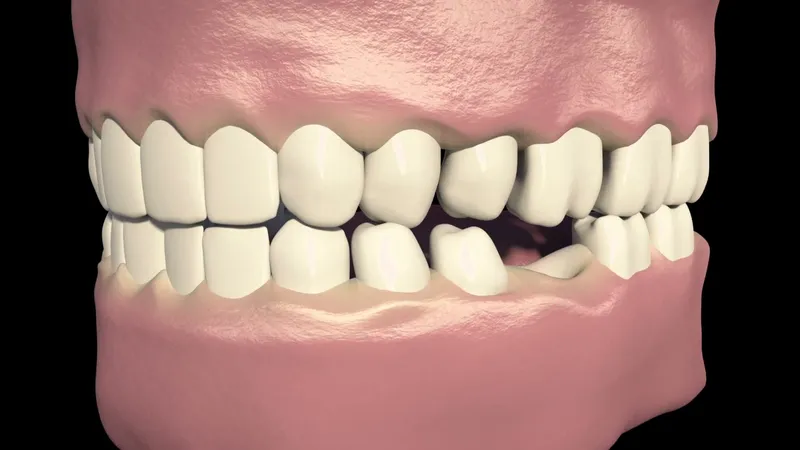
Preparing a supporting tooth for a custom bridge
What a bridge actually is.
A bridge fills the space left by one or more missing teeth using a small, fixed run of connected crowns. The teeth either side of the gap — the abutment teeth — are shaped to hold crowns, and a false tooth (a pontic) sits between them, fused in place. Once it's fitted, a bridge doesn't come in and out; it functions like your own teeth.
Because a bridge relies on the neighbouring teeth for support, those teeth need to be shaped to hold a crown, even if they're otherwise healthy — that's a trade-off worth understanding upfront. If keeping those teeth untouched matters to you, an implant or a denture might suit better, and we're happy to compare all three in plain terms at your consultation.
Two different jobs, side by side.
Here's how they compare at a glance. You don't need to arrive knowing which one is right for you — that's exactly what a consultation is for.
Dental Crowns
Suited to a tooth that's still present but weakened — cracked, heavily filled, or made more brittle by root canal treatment. The crown covers and protects what's left, restoring the tooth's shape and strength. It's a one-tooth solution: nothing is removed, no neighbouring teeth are involved, and the tooth keeps its own root underneath.
Covers one tooth · common after root canal · strengthens a cracked toothDental Bridges
Suited to a gap left by one or more missing teeth, where the teeth either side are healthy and strong enough to support crowns. The false tooth sits fused between them, fixed in place rather than removable. It's a good fit for someone who'd rather not deal with a removable appliance, and whose neighbouring teeth could use a crown anyway.
Fills a gap permanently · fixed, not removable · uses neighbouring teeth for supportWhether a crown, a bridge, or another option such as an implant or denture suits you best depends on the tooth involved, the health of the neighbouring teeth, and your own priorities. Results and suitability vary between individuals — we'll go through this together at your consultation, before anything is decided.
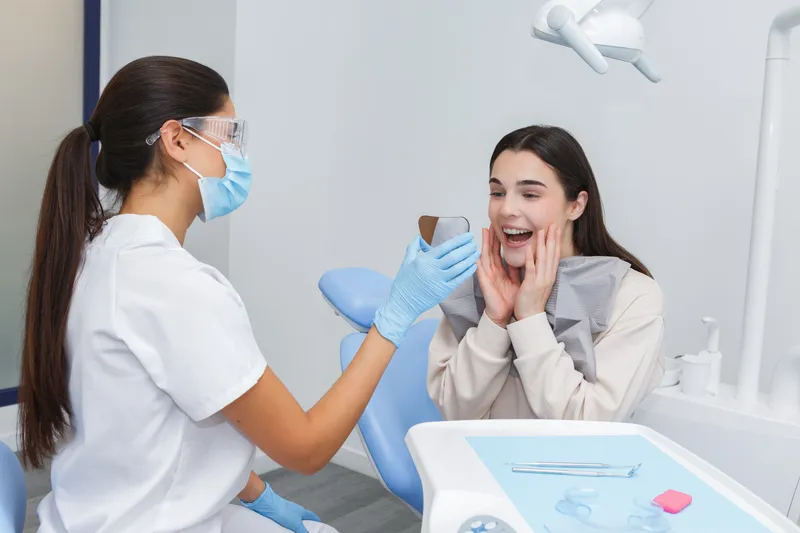
What the visits look like.
A crown or bridge usually comes together over a handful of unhurried appointments. Here's the path most people follow, so there are no surprises.
01 · Consultation & assessment.
We look at the tooth or gap, take x-rays if needed, and go through the options in plain English. No decisions on the spot — just a clear picture of what's possible.
02 · Preparing the tooth.
The tooth (or the abutment teeth, for a bridge) is gently reshaped to make room for the crown, and a digital scan or impression is taken to plan your custom restoration.
03 · A temporary restoration.
A temporary crown or bridge protects the prepared tooth and keeps things feeling normal while your permanent restoration is made in the lab.
04 · Fitting the final restoration.
The finished crown or bridge is checked for fit, bite and shade, then cemented into place. We take the time to get this right before you leave.
05 · Review appointment.
A short follow-up to check everything feels comfortable and settled, and to make any small adjustments. This is a normal part of the process.
Crowns can be made in the same visit at Caroline Springs.
If the idea of two appointments, a temporary crown, and a week or two of waiting on a lab feels like more than you want to fit into your week, it's worth asking about the alternative available at our Caroline Springs clinic.
Same-Day CEREC Crowns at Caroline Springs
Caroline Springs has a CEREC milling unit in-house — a chairside system that takes a digital scan of the prepared tooth, designs the crown on screen, and mills it from a solid ceramic block on-site, all within the one appointment. For a tooth that's suitable, that can mean no temporary crown and no separate visit just for the fit.
Same-day milling doesn't suit every tooth, every bite, or every material — some situations still call for a lab-made crown, and that's a normal, common outcome too. We'll assess your tooth and let you know which approach applies before anything is decided, so you always know roughly how many visits to expect.
Understand the options before you decide.
Know the numbers before you decide anything.
For a lot of people, the real barrier was never wanting it done — it was wondering how to manage it. That's why we lay out the options in plain English first, and why we work with a range of payment options so cost can be spread across smaller, regular payments instead of landing all at once.
Curious what a crown or bridge might cost? Open the repayment estimator → →
About the estimator: it gives an indicative figure only, based on typical per-tooth pricing — it is not a quote. Every crown or bridge is priced individually once we've examined the tooth or teeth involved (and any x-rays needed), and you'll always see the exact cost in writing before agreeing to treatment. Repayment figures are illustrative, calculated using Humm/NDP's own plan-fee formula for the term selected, so Humm's fees are already included; finance is subject to Humm's own eligibility criteria and approval, and may not be granted.
We accept






Care that talks you through it.
Options first, decisions later
We lay out what's possible — crown, bridge, or something else — in plain English, and give you room to think. No pressure to choose anything on the day.
Made to fit, not just to match
Every crown and bridge is planned around your bite and your tooth shape, with a temporary in place while the finished piece is made.
Here for the long run
Regular reviews let us catch anything early and keep your crown or bridge feeling comfortable for years to come.
The things people usually ask.
Talk it through with the Caroline Springs team.
A short consultation is usually all it takes to understand your options. If you'd like to ask a few things first, give us a call — we're happy to talk it through. Book a consultation or call (03) 8358 2565.
Caroline Springs Clinic
1 Lancefield Drive, Caroline Springs VIC 3023
Mon – Sat · 9:00 AM – 5:00 PM
Get directions
Information on this page is general in nature. Treatment outcomes, fit and comfort vary between individuals — we'll examine your tooth and explain what's realistic for your situation before you decide anything.
Your plan should be individual.
Cosmetic care at Magical Smiles is led by Dr Rachna Yadav, Principal Dentist and founder, who has cared for families across Melbourne’s west since 2011. She holds a BDS, is AHPRA-registered (DEN0001046139) and is a member of the Australian Dental Association.
A general dentist with a longstanding interest in cosmetic and laser dentistry, Dr Yadav combines holistic, root-cause thinking with modern technique and a calm, unhurried chair-side manner.
Let's work out what your tooth needs.
A short consultation is usually enough to tell whether a crown, a bridge, or something else altogether is the right fit — and to give you a clear, written cost estimate before you decide anything.