Cold drinks have become a two-minute decision.
Iced water, smoothies, the first sip of anything from the fridge — and there's that quick, sharp wince through one or two specific teeth. You're not avoiding cold drinks. You're just timing them.

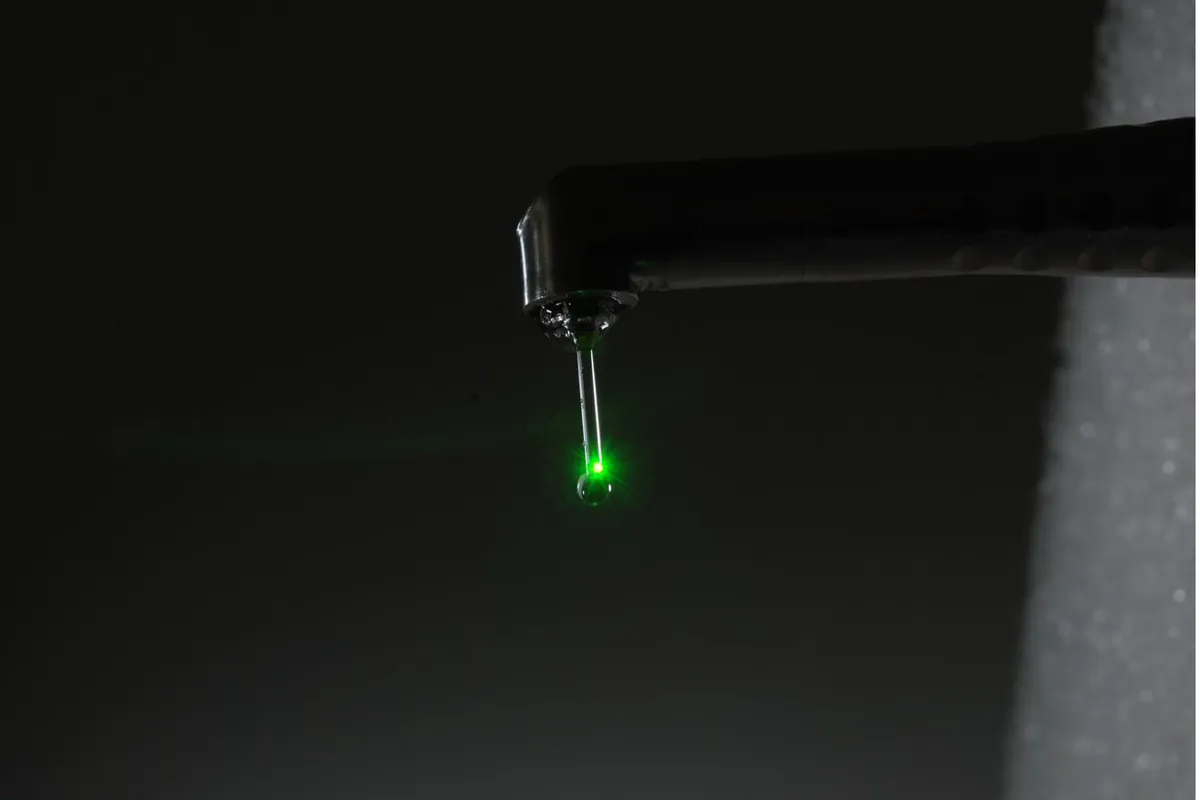
You've been skipping cold drinks. You order coffee a little later in the morning so it's not too hot. You tense up before the dentist's air-puff and brace yourself before every brush near the gum line. You've been quietly negotiating with your own teeth for so long, you barely notice you're doing it. Laser desensitisation is a gentle way to settle the part of your day that you've been working around.
We're not here to talk you out of ice cream. If anything, we'd like it the other way round — to make the ice cream a non-event again, the way it was when you were eleven and didn't think about it.
So before we get into how the laser works and what the visit feels like, we want you to know one thing: sensitive teeth are a signal, not a personality. There is usually a reason. And once we find it, we have a calm, modern way to settle it.
— The Magical Smiles laser team
Sensitivity has a habit of becoming background noise. You build small workarounds — warming the drink, chewing on the other side, holding your breath before the cold rinse — and then forget you ever made them. These are the patterns we hear about most often at consultation.
Iced water, smoothies, the first sip of anything from the fridge — and there's that quick, sharp wince through one or two specific teeth. You're not avoiding cold drinks. You're just timing them.
There's a spot — usually near where the gum meets the tooth — that has you skipping past it slightly. You've been told you brush hard. You're trying to brush softer. The tooth still complains.
You sit through the scrape. You sit through the polish. But the moment that quick puff of air hits the exposed dentine — that's the moment that has you gripping the chair arms. You've stopped pretending you don't notice.
You had whitening done — maybe with us, maybe not — and the result looks great but a few teeth have been twingy ever since. Short laser sessions designed for this exact situation can help settle the affected teeth.
As gums recede, the softer root surface becomes exposed. That surface is full of microscopic openings into the nerve. Treating the cause and sealing the surface together is usually the right plan, and we will talk you through both.
A bite of dessert, a chocolate at lunch, a sip of juice — and one tooth somewhere reminds you it's there. Sweet-triggered sensitivity often points to a specific area of exposed dentine that responds well to focused laser treatment.
Beneath the white enamel sits a softer layer called dentine. Dentine is not solid — it's full of microscopic tubes running from the outer surface all the way down to the nerve at the centre of the tooth. When the surface is intact, those tubes are sealed. When the surface wears, recedes, or gets cracked, the tubes open up — and the fluid inside them becomes a kind of highway for hot, cold, and sweet stimuli to reach the nerve. That's the wince.
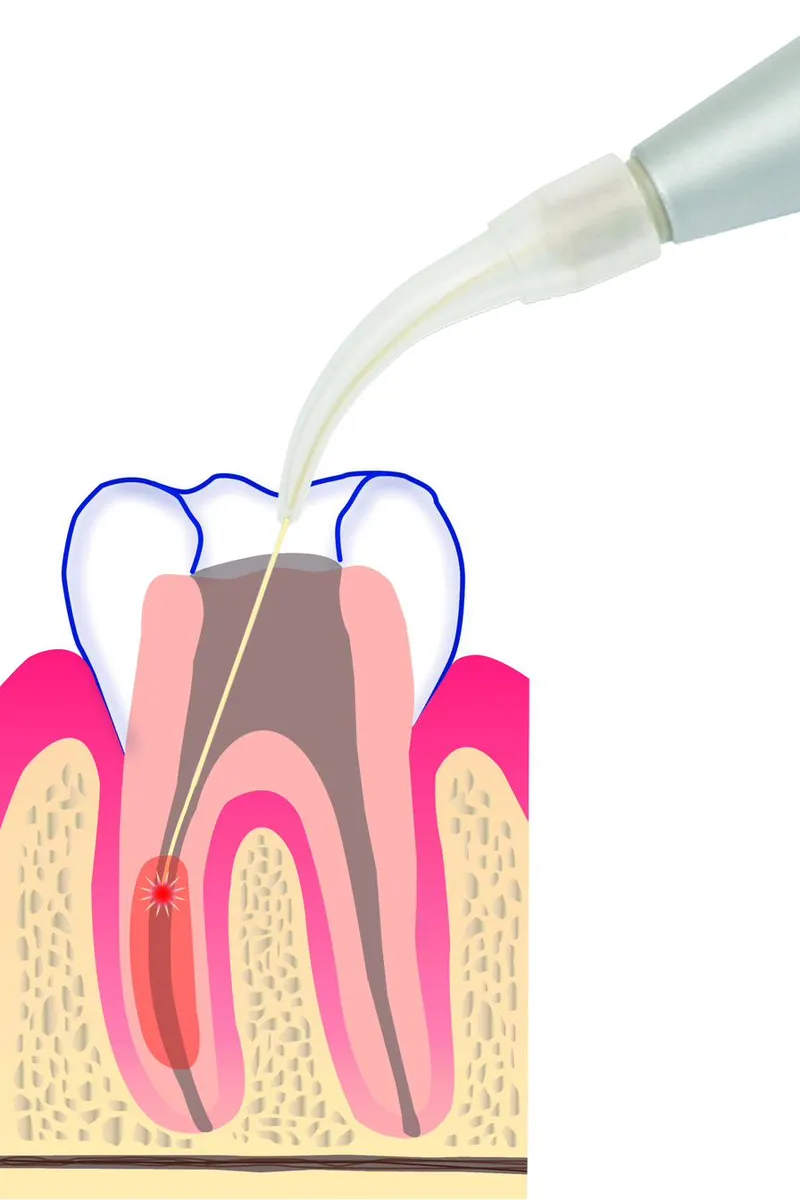
The wavelength absorbed by dentinal tubules — helps close the microscopic openings that send hot and cold signals to the nerve.
When dentinal tubules are exposed and open, fluid inside them moves in response to changes in temperature, pressure, or sweetness. That fluid movement triggers the nerve. The sensation is real — and it's coming from a structure most people don't know exists.
The Fotona Nd:YAG laser is applied at a low energy setting across the affected surfaces. The light energy is absorbed by the dentine and helps fuse and close the microscopic openings of the tubules — reducing the fluid movement that drives the sensitive response.
Unlike a filling, the surface of the tooth isn't being removed or reshaped. The laser is non-cutting in this protocol. Most patients describe a mild warmth across the tooth and nothing more. Anaesthetic is rarely required.
If brushing technique, diet, gum recession, grinding, or recent whitening is driving the sensitivity, we will identify it during your consultation and discuss how to address it. The laser closes the openings; the rest is what keeps them closed.
The Fotona LightWalker combines Er:YAG and Nd:YAG wavelengths in a single unit. For desensitisation, we use the Nd:YAG wavelength at a low energy setting — the same wavelength used worldwide for treatment of dentinal hypersensitivity. The same machine supports other gentle laser dentistry our team performs.
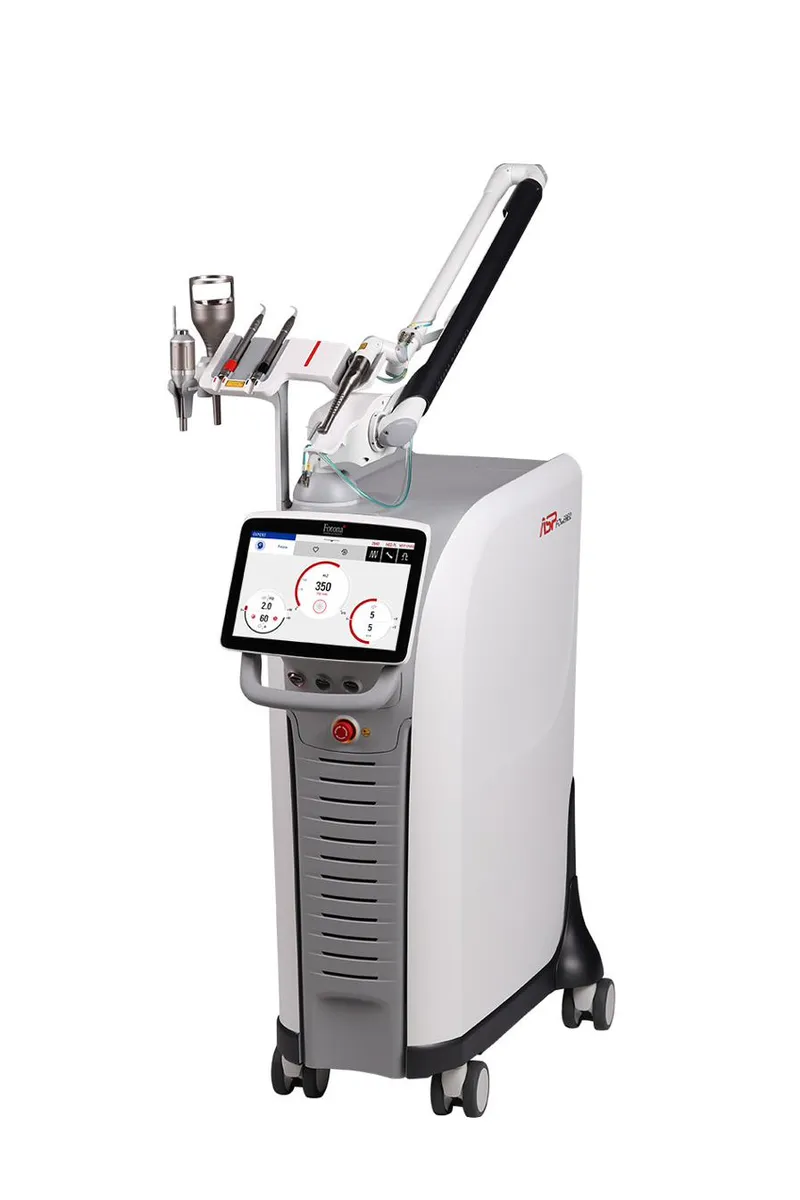
The Fotona LightWalker is built around precise control of laser energy at the wavelengths most relevant to dental tissues. For desensitisation, the Nd:YAG wavelength is used at low energy across the affected tooth surfaces — applied through a handpiece designed to fit comfortably along the gum line and chewing surface. The non-contact, non-cutting nature of the treatment is part of why most patients find the visit easy to sit through.
Our clinical team has used the LightWalker across a range of laser protocols for over a decade — including periodontal therapy, endodontic disinfection, NightLase®, and TouchWhite™ whitening — and tooth desensitisation is one of the shortest and most settling treatments we deliver with it.
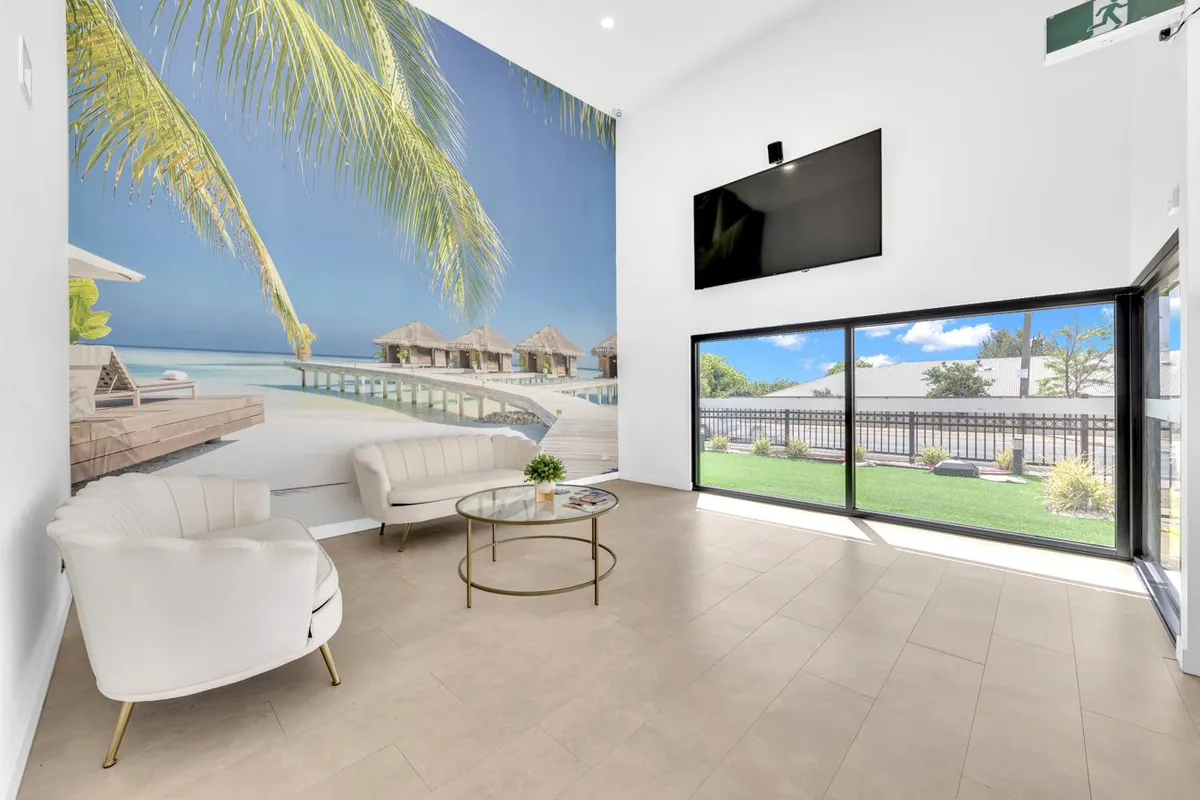 Yes, that's our waiting area
This is the smallest, most underrated reason patients come to us for laser desensitisation. Not because cold drinks are a medical emergency — but because they've quietly stopped being something you don't think about.
People rarely book in the moment a sensitive tooth flares up. They book months later, after they realise they've been timing their morning coffee, holding their breath through the cold rinse at the last clean, and skipping the dessert side of the cafe menu without quite admitting why.
If that sounds like you — even a little — that's a fair reason to come in. We'll work out what's driving it and talk you through whether the laser is part of the plan.
No surprises. No long unexplained pauses. Below is the appointment, step by step, from when you walk in until the moment we hand you a glass of water on the way out.
We start by hearing the story — which teeth, what triggers them, how long it's been, and what you've tried. Most patients have a clear pattern by the time they walk in.
Examination of the teeth and gums to identify the underlying cause — gum recession, abrasion at the gum line, enamel wear, cracks, recent whitening, or grinding. Imaging may be taken where clinically indicated.
We talk you through what we recommend — including whether the laser is the right next step, how many short sessions are typical for your situation, and what supporting care will keep the result holding longer.
Everyone in the treatment room — including you — wears laser-safety eyewear. The treatment room is calm and quiet. You can pause us at any point.
The Nd:YAG laser handpiece is moved across the affected tooth surfaces in short, controlled passes. The energy is low. Most patients describe a mild warmth. No drilling, no cutting, no needle in most cases.
A short check across the treated teeth, including a careful air test. Some patients notice a difference straight away. Others need a couple of short visits before the change is meaningful — both are normal.
Plain-English aftercare — usually a few small changes around brushing pressure, toothpaste choice, and timing of acidic drinks. You leave with a written plan, not a guess.
If your sensitivity returns later (it can happen if the underlying cause is ongoing), short top-up sessions during regular hygiene visits often re-settle the affected teeth quickly.
If sensitive teeth have been part of your routine for a while, you've probably tried a few things already. Most are sensible. Some help. None of them close the actual tubule openings. Below is what each approach does, and what it doesn't.
This table is intended as plain-English education. Suitability and the right combination of approaches is decided at consultation. Individual outcomes vary.
Sensitive-teeth patients usually arrive a little wary of dental visits in general. The team has spent over a decade refining how we deliver short, settling laser visits for exactly that reason.
Our clinical team has used the Fotona LightWalker across a wide range of laser dentistry protocols for over a decade. Desensitisation is one of the shortest and most settling treatments we deliver with it.
The first visit is about identifying why your teeth are sensitive — not jumping straight to a treatment. The plan we recommend reflects the actual cause.
No jargon, no rushed consults. We will explain the why behind every step and you can pause us at any point.
The treatment is short, non-cutting, and usually completed without anaesthetic. Most patients are surprised by how undramatic the visit is.
Anxious about dental visits? Tell us when you book. We schedule sensitive-teeth visits with extra time so nothing feels rushed, and you can stop at any point.
You leave with a written plan covering brushing technique, toothpaste choice, and timing of acidic foods or drinks — the small changes that keep the laser result holding longer.
If the question you have isn't here, phone the clinic and we will answer it in plain English. No pressure to book on the call.
Tooth sensitivity is usually caused by exposed dentine — the layer beneath your enamel. Dentine contains microscopic tubes called dentinal tubules. When these are exposed (through gum recession, enamel wear, abrasion at the gum line, cracks, or recent whitening or dental work), hot, cold, sweet, or acidic stimuli can travel through the tubules and trigger the nerve inside the tooth.
The result is the sharp, brief twinge most of us recognise as sensitive teeth.
We use the Fotona LightWalker Nd:YAG laser at a low energy setting. The laser light is absorbed by the dentinal tubules and helps close them — sealing the pathway that allows hot, cold or sweet stimuli to reach the nerve.
The treatment is non-cutting, typically does not require anaesthetic, and is usually completed in a short visit.
Some patients notice a reduction in sensitivity after the first session. Others need two or three short visits to feel a meaningful change.
Results vary depending on the cause of the sensitivity, ongoing brushing technique, diet, and whether the underlying issue (such as gum recession or enamel wear) is being managed at the same time. We will set realistic expectations at your consultation.
The treatment is designed to feel gentle. Most patients describe a mild warmth across the tooth surface but no sharp sensation. Anaesthetic is rarely required.
If you have anxiety about the visit, we are happy to talk you through everything step by step before we begin. You can pause us at any point.
A focused desensitisation session for a few teeth typically takes 15 to 25 minutes, including a brief check before and after.
Full-mouth sessions for generalised sensitivity take longer. The first appointment is usually slightly longer because it includes the initial assessment.
Outcomes are different for everyone. For many patients the improvement holds for many months and can be maintained with short top-up sessions during regular hygiene visits.
Sensitivity that returns sooner usually points to an ongoing cause — continued gum recession, aggressive brushing, acidic diet, or grinding — which we will identify and discuss with you.
Yes, this is a common reason patients ask about the treatment. Whitening can temporarily increase tooth sensitivity, and a short desensitisation session immediately afterwards may help settle the affected teeth.
If you are planning whitening with us, we will discuss timing as part of your whitening plan.
Suitability is assessed at consultation. The first step is identifying the underlying cause — sensitivity caused by exposed dentine often responds well, while sensitivity caused by an untreated cavity, cracked tooth or active gum disease needs the underlying issue addressed first.
We will explain clearly what we recommend, and laser desensitisation may form part of a broader plan.
Magical Smiles laser dentistry services are available across our clinics, delivered by our trained clinical team. Phone the clinic most convenient to you and we will let you know where your appointment will sit and arrange a consultation.
Fees depend on how many teeth are treated and whether desensitisation is provided on its own or alongside other care such as a hygiene visit or whitening. We will quote you in writing after the consultation and explain any health-fund item codes that may apply.
Coverage varies between funds and policies. Call the clinic and we can help you check what may apply.
Magical Smiles laser dentistry services are delivered across our clinics by our trained clinical team. Phone the clinic most convenient to you and we will guide you from there.
Burnside · Taylors Hill · Caroline Springs
Bacchus Marsh · Maddingley · Darley
Point Cook · Williams Landing · Sanctuary Lakes
There's no pressure to book on the call. If you'd rather ask a few questions first, do that. We will talk you through what your visit would look like and what we'd recommend before anyone schedules anything.