
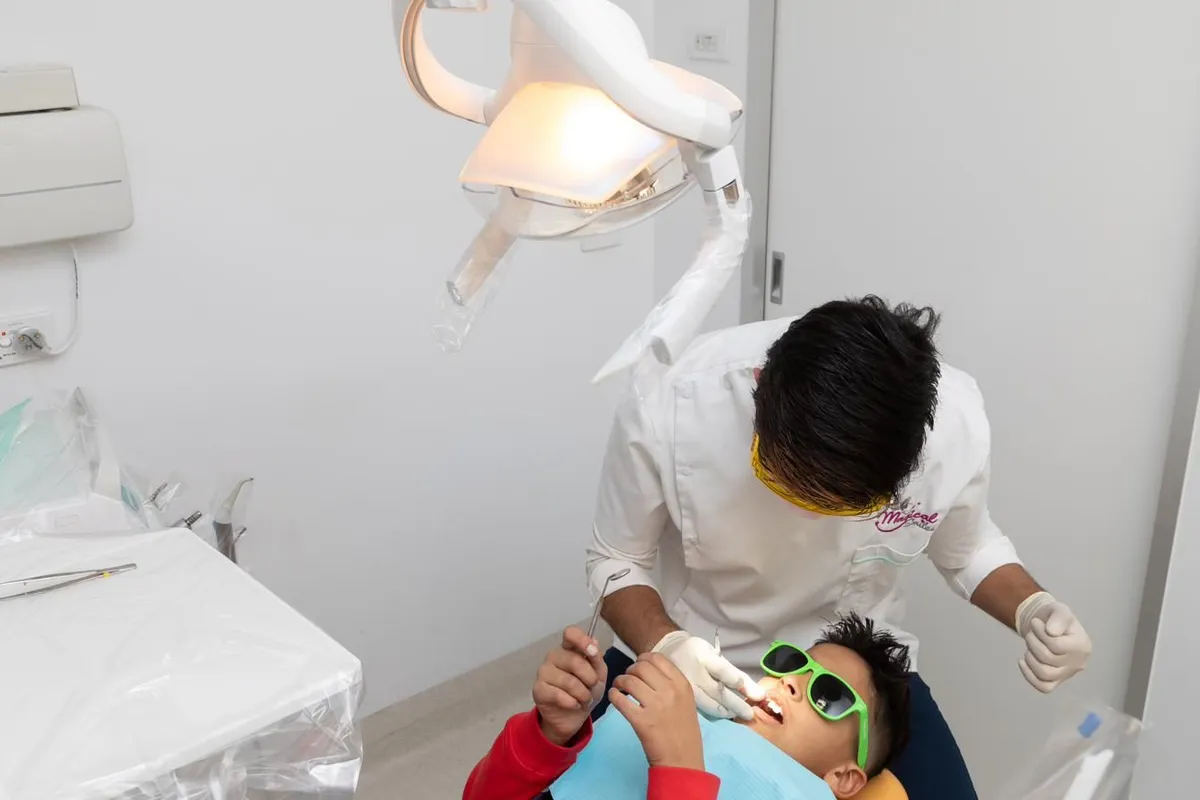
Their first visit, made small.
If your child gets anxious before appointments — or if you remember dreading the dentist as a kid yourself — start here. The first visit isn't about treatment. It's a chance for your child to meet us, sit in the big chair, and decide for themselves that this isn't scary.
If you've been quietly putting off booking your child's first appointment — because they're nervous, because you're nervous, because the last visit somewhere else didn't go well — this page is for you.
There's no good age at which a child suddenly "becomes ready" for the dentist. There's only the way the first visit is handled. Done gently, the rest of their dental life starts on calm footing. Done poorly, it can take years to undo.
We've spent a long time getting the first visit right. It's slow on purpose. Most of the appointment isn't treatment — it's introduction. Your child meets the chair, meets us, meets the little mirror, and gets to be in charge of how much they want to do on day one.
This page is here to take the surprise out of it. The more you and your child know before you walk in, the easier walking in feels.
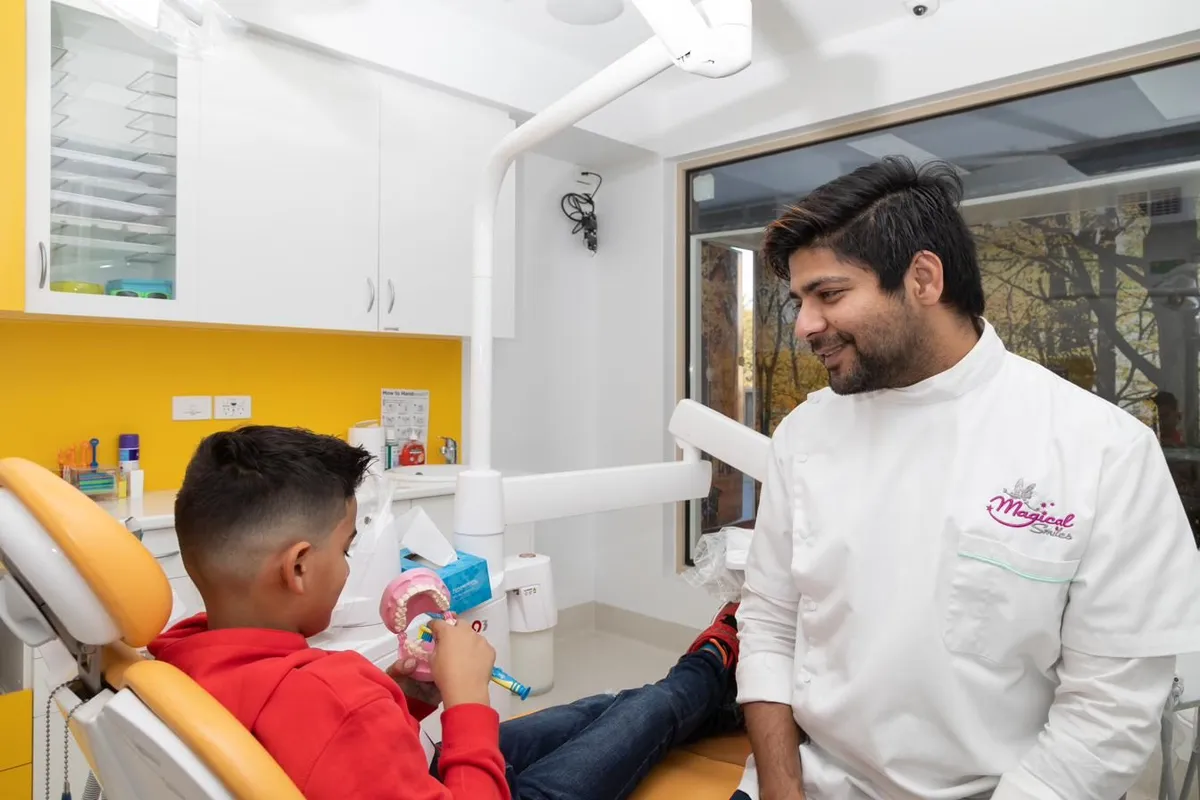
A small visit, made smaller.
What it is.
An introduction. A short visit your child can be in charge of. A chance for them to meet the chair, meet us, sit down, and get used to the room. We'll count their teeth if they're ready, talk to you about brushing and food, and they'll go home with a sticker and a new toothbrush.
What it isn't.
A treatment day. A list we have to get through. A test your child has to pass. There's no minimum we need to achieve. If your child only manages to sit on the chair on day one, that's a successful first visit. We'll build from there.
Eight small steps, nothing more.
A typical first visit takes thirty to forty-five minutes. We'll skip any step your child isn't ready for — there's always next time.
This visit is one part of our children’s dentistry, alongside check-ups and eligibility for bulk-billed eligible care.
Hello, you're here.
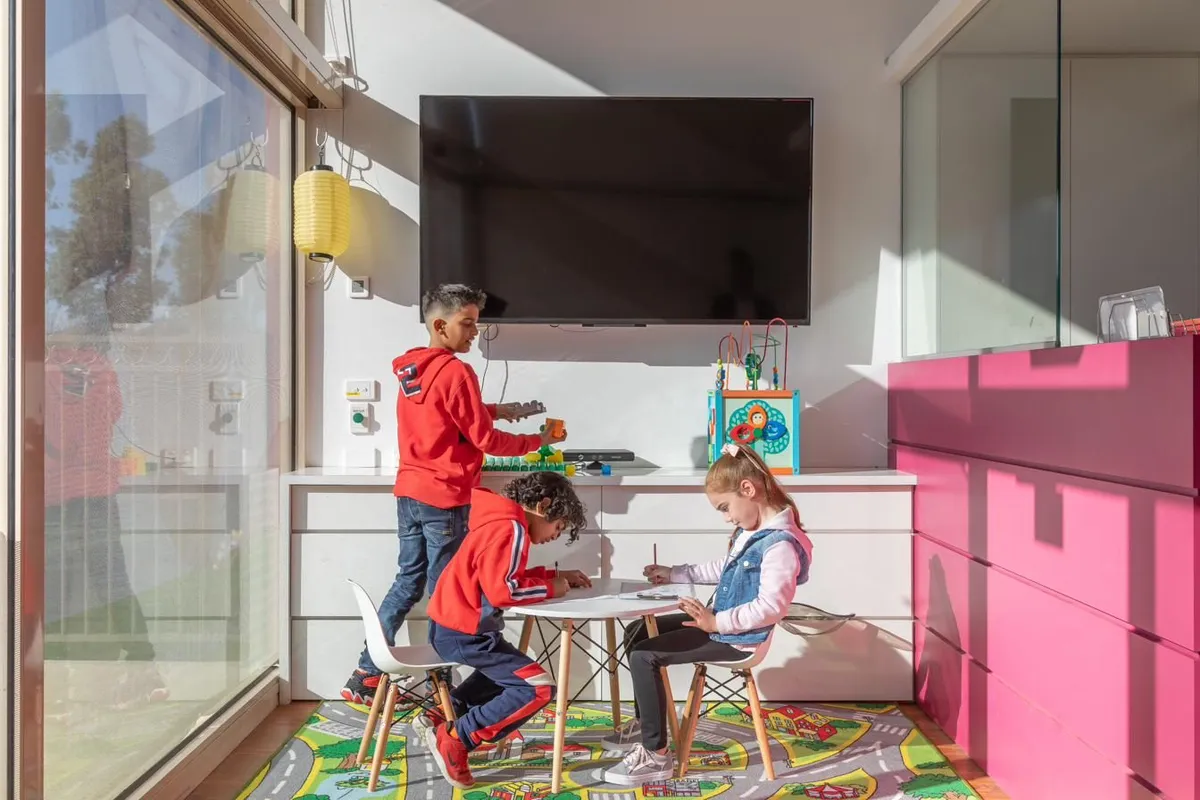
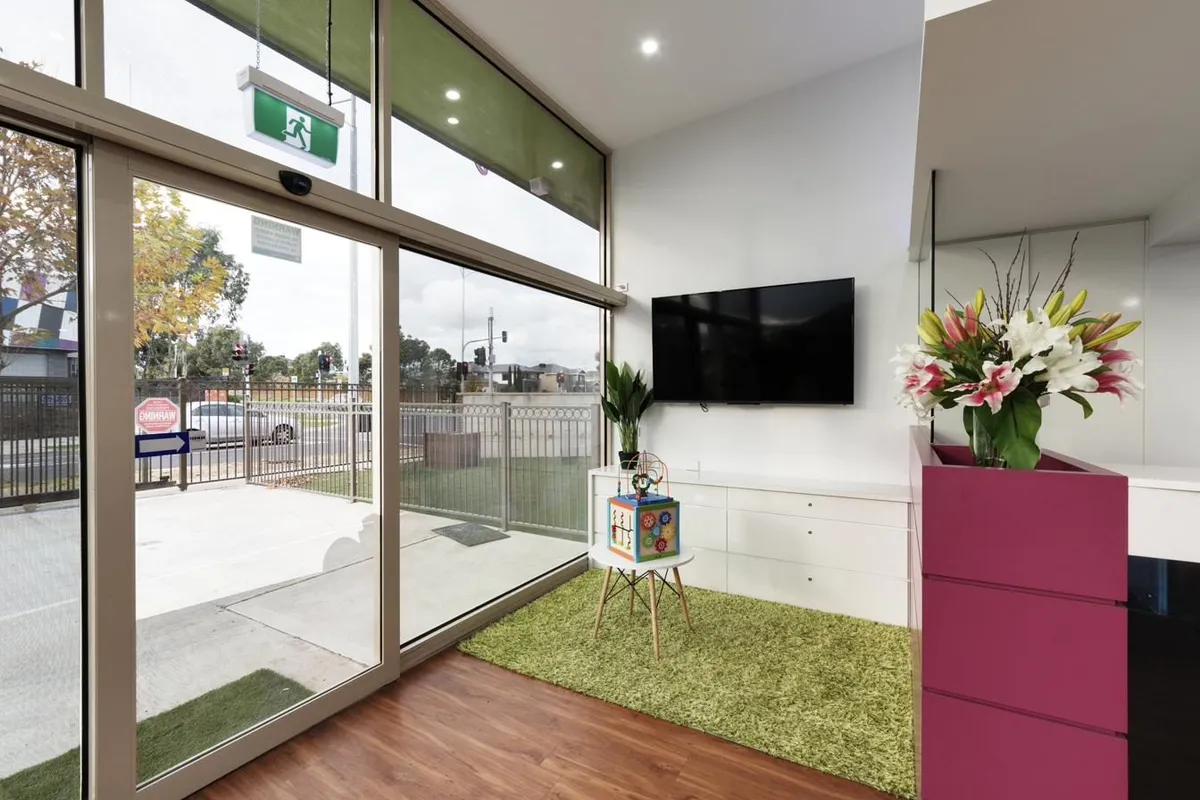
When you arrive, your child can play in the kids area while you check in. There are toys, drawing, an activity cube. No waiting around bored.
A friendly chat first.
Before anything else, we sit down with you and your child. We ask how they're feeling, what they already know about the dentist, and whether anything's worrying them.
Tour the chair.
Your child gets to see the chair, sit in it (often with you nearby), and play with how it moves up and down. It sounds small. For an anxious kid, it changes everything.
Show and tell.
We show them the mirror, the little air puffer, and the toothbrush we use. They get to touch them, ask questions, and we explain each one in their language. Most kids find the air puffer very funny.
Counting teeth.
When they're ready, we do a gentle count with the mirror. No drilling, no big machines — just a careful look. If they're not ready, we don't push.
A soft polish, if they'd like.
For older children, we may offer a soft polish — but always with permission. Your child has full say over whether anything happens today.
Your turn to talk.
While your child has a play, we'll chat with you about brushing, fluoride, snacks, thumb-sucking, anything you've been wondering about. No question is too small.
Stickers, toothbrush, home.
Your child leaves with a small reward — usually a sticker and a new toothbrush. The point is that they walk out having had a good day.
Tell us — we'll slow down.
If your child gets anxious about new places, or if they've had a difficult visit before, please let us know. When you book. When you walk in. Any time you like.
None of this is unusual. We've heard it all before, and the more we know, the better we can adjust the visit. Sometimes that means extra time. Sometimes it means skipping the bib. Sometimes it means you sit in the chair first.
"Please feel free to let our staff know if your child is extra anxious, needs special attention, or if this is their first visit and you'd like us to make it extra special." We mean that — exactly as it's written.
A few things that genuinely help. And a few that don't.
You don't need to rehearse the visit for weeks. A short, calm chat the day before is plenty. Here's what works — and what's worth avoiding.
Try these.
- Talk about the visit a day or two ahead — kept short. "We're going to meet a dentist who's going to count your teeth."
- Read a kids' book about the dentist. There are good ones at most libraries.
- Practise opening wide at home — make a game of it.
- Let them choose the toothbrush they want to bring along.
- Mention they get to play in the kids area when you arrive.
- If you can, book a morning appointment when they're rested.
Skip these.
- Words like needle, drill, pain, shot — even to reassure. The words plant the idea.
- Promising "it won't hurt." Promise instead that we'll always explain what we're doing first.
- Bribing with sweets afterwards. We notice. So does the dentist next time.
- Bringing your own dental anxiety into the conversation. Kids read it instantly.
- Long buildups. A short conversation the day before is plenty.
- Cancelling if they say they don't want to go. Coming and meeting us, even briefly, helps.
Most kids want to stay longer.
The waiting area at Caroline Springs has a kids zone with toys, drawing supplies, an activity cube, and a TV. It's bright, soft underfoot, and right by the window.
If your child is anxious before the appointment, the first few minutes of play matter. By the time we come out to meet them, they've already decided the room is okay. Some kids would happily skip the appointment and stay in the waiting room — and we take that as a compliment.
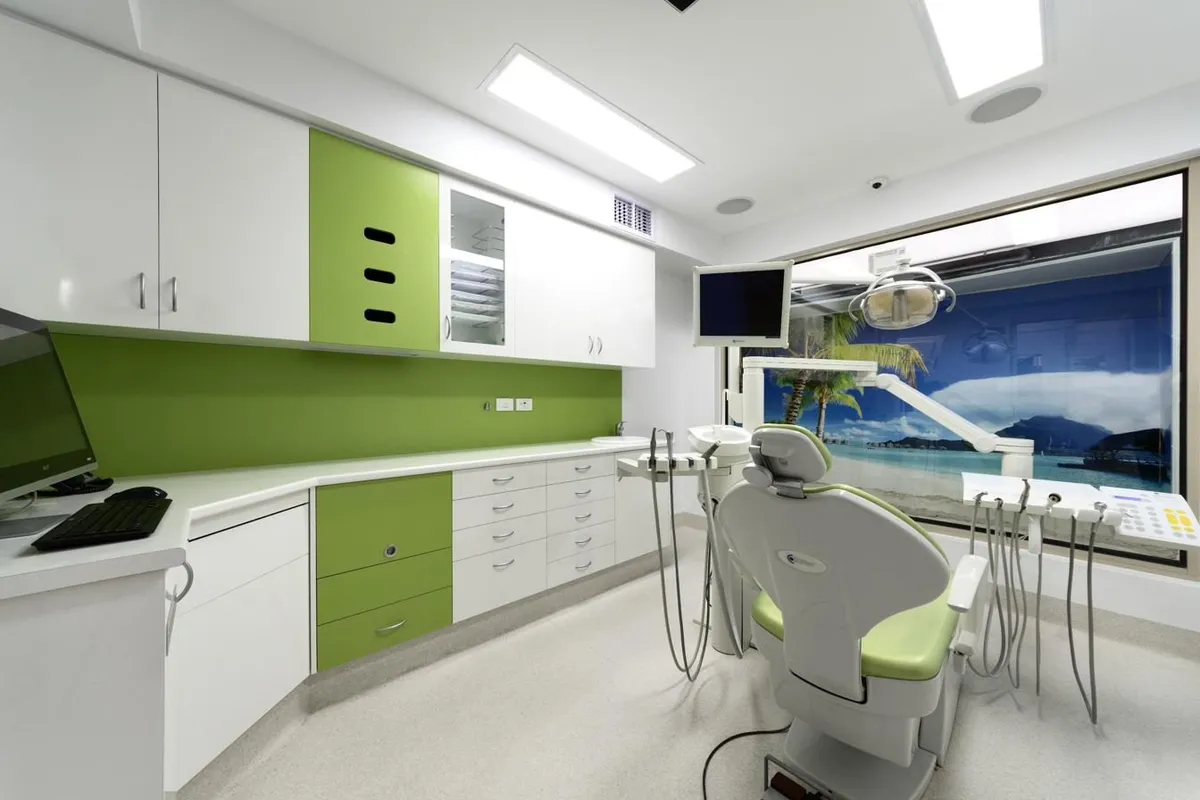
A room designed to feel less like a dentist's room.
Soft colours. A beach scene on the window. A chair that goes up and down on a button your child can press. None of it changes what we do — but it changes what your child sees on the way in.
Anxious kids notice rooms before they notice anything else. We thought carefully about ours.
A quick look at what to expect.
If your child likes to know what's coming, you can watch this together before the visit.
What a gentle first visit actually looks like.
If watching together feels like it'd help, do it the night before — not on the morning of the visit. Curiosity sits better than build-up.

A team that genuinely likes treating kids.
Dr Rachna Yadav and the Magical Smiles team have spent years working with children — including children who arrive scared, children with sensory needs, and children whose last visit didn't go well. The pace is slow on purpose. The room is set up for it.
If you'd like to chat to us before booking — whether about your child's anxiety, an existing condition, or just to ask a question — please call the clinic. We'd rather have a phone conversation now than a difficult appointment later.
Dr Rachna Yadav · AHPRA Registration DEN0001046139
Things parents ask us first.
Another six months of putting it off doesn't change much — except that your child is six months older the next time they're sitting in a chair for the first time.
The earlier a first visit feels easy, the easier every visit after it tends to feel. That's the only reason we built this page the way we did. Not to convince you to book today. To make today's decision a small one, instead of a big one.
When you're ready — call us, or book in. We'll do the rest.
Ready when they are.
Book a first visit at our Caroline Springs clinic, or call us first if you'd like to talk it through before booking. There's no pressure. There's no rush.