✦ Now welcoming new patients  ·  Same-day emergency appointments where possible  ·  Afterpay, SuperCare & all major health fundsCaroline Springs · (03) 8358 2565
One tooth, replaced properly

One missing tooth is small — until it's the only thing you notice.

Maybe it's a back tooth you've quietly stopped chewing on. Maybe it's a front gap you angle away from in photos. A single tooth implant replaces the whole tooth — root and all — without touching the healthy teeth either side. We'll talk you through whether it's the right fit for your tooth before anything is decided.

Does this sound familiar?

One tooth, and a dozen small adjustments.

A single missing tooth rarely feels urgent at first. It tends to show up as small workarounds you've stopped noticing — until you actually list them out.

  • Chewing on one side without really deciding to.
  • A gap you angle away from in photos or when you laugh.
  • A tooth that's been extracted and you've been putting off "what comes next."
  • A removable partial denture that feels like a compromise rather than a real answer.
A woman pointing to her teeth while holding a toothbrush
The gap you've learned to work around
The plain-English version

What a single tooth implant actually is.

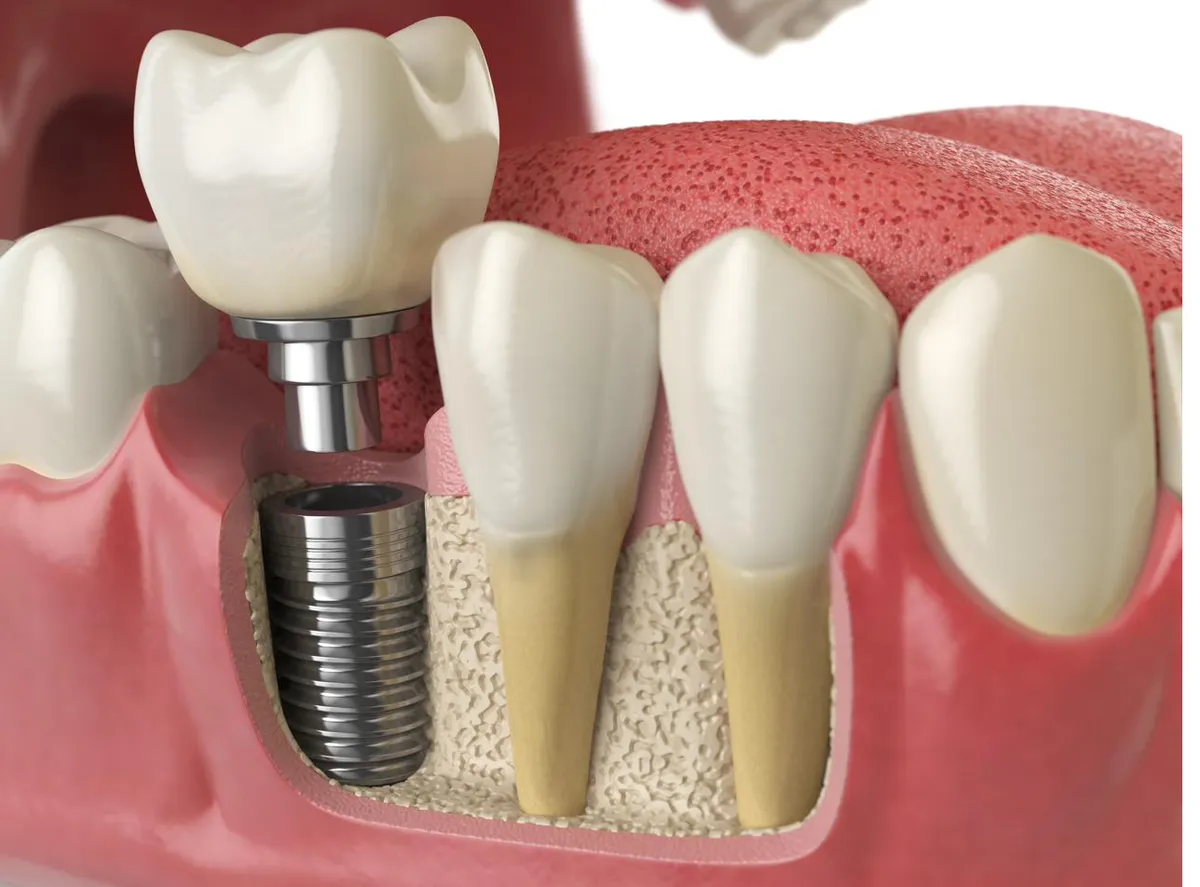
A single tooth implant replaces the whole tooth, not just the visible part. A small titanium post is placed into the jawbone where the root used to be, and given time to integrate with the bone — a process that takes some months and varies between individuals. Once that's stable, a custom crown is fitted on top, shaped and shaded to sit naturally alongside your own teeth.

Because the implant stands on its own, the teeth either side don't need to be reshaped or involved at all — a genuine point of difference from a bridge, which relies on the neighbouring teeth for support. That makes a single implant a common first choice when those teeth are otherwise healthy.

A 3D look at a single implant, from post to crown
Two things that shape the plan

Every implant is planned around your tooth.

Two questions usually shape the details of a single implant plan — how much bone is at the site, and what the crown is made from. Here's the honest version of both.

01 / Bone at the site A model showing a single dental implant post placed in the jawbone

Enough bone to build on

A tooth that's been missing for a while can mean the jawbone at that site has thinned over time. 3D imaging tells us exactly how much bone is there, and whether bone grafting is worth discussing first — covered in full further down this page.

Assessed by 3D imaging Grafting only if genuinely needed
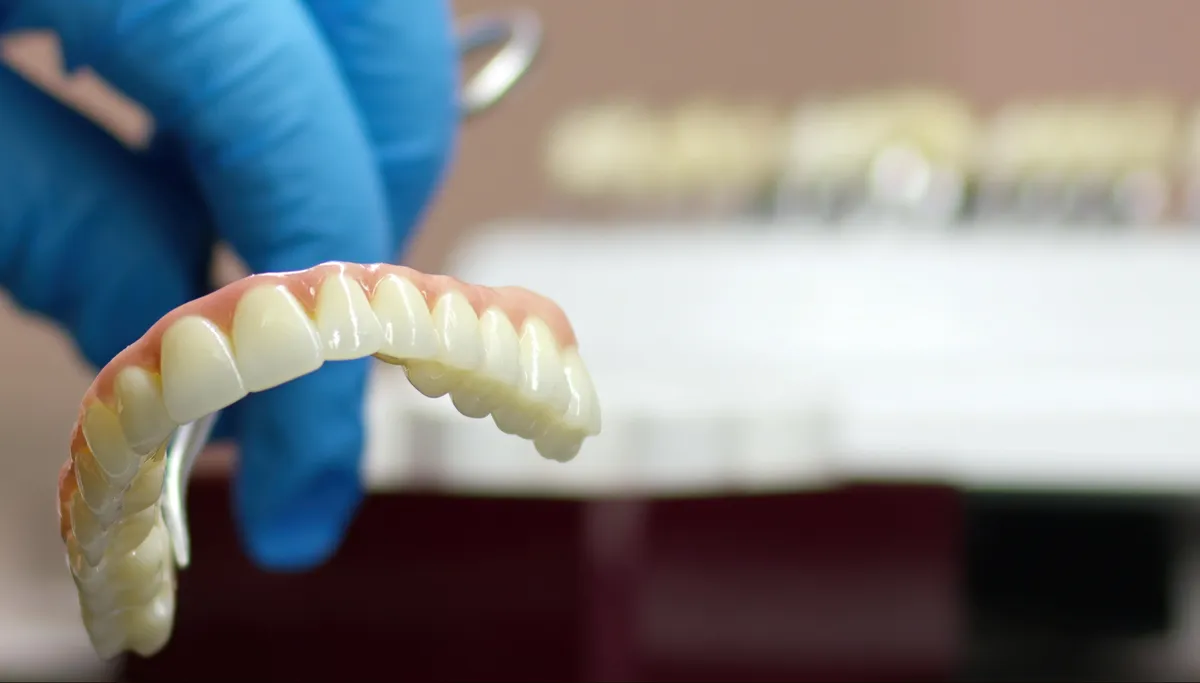
02 / The crown on top A custom dental crown being crafted in a dental lab

Made to match

The final crown is custom-shaped and shaded to the tooth it's replacing, using materials such as porcelain or zirconia. We'll talk through which suits the tooth's position and the bite it needs to handle.

Custom shade & shape Porcelain or zirconia

Suitability, healing time and results vary between individuals. We'll go through your specific tooth and jaw together at your consultation, before anything is decided.

Step by step

What the visits look like.

A single implant comes together over a handful of appointments, spaced out to let healing happen properly.

01

Consultation & 3D imaging

We assess the site, take 3D imaging to measure bone volume, and talk through whether a single implant is the right starting point.

02

Any preparation needed

If bone grafting or a sinus lift is recommended, that happens first and is given time to heal before the implant is placed.

03

Placing the implant

The titanium post is placed into the jawbone at the site, then given time — typically some months — to integrate before it's restored.

04

Fitting the crown

Once the implant has integrated, a custom crown is scanned, made and fitted, checked carefully for fit, bite and shade.

05

Review & ongoing care

Regular reviews check the implant is settled and comfortable, and help catch any early signs of peri-implantitis.

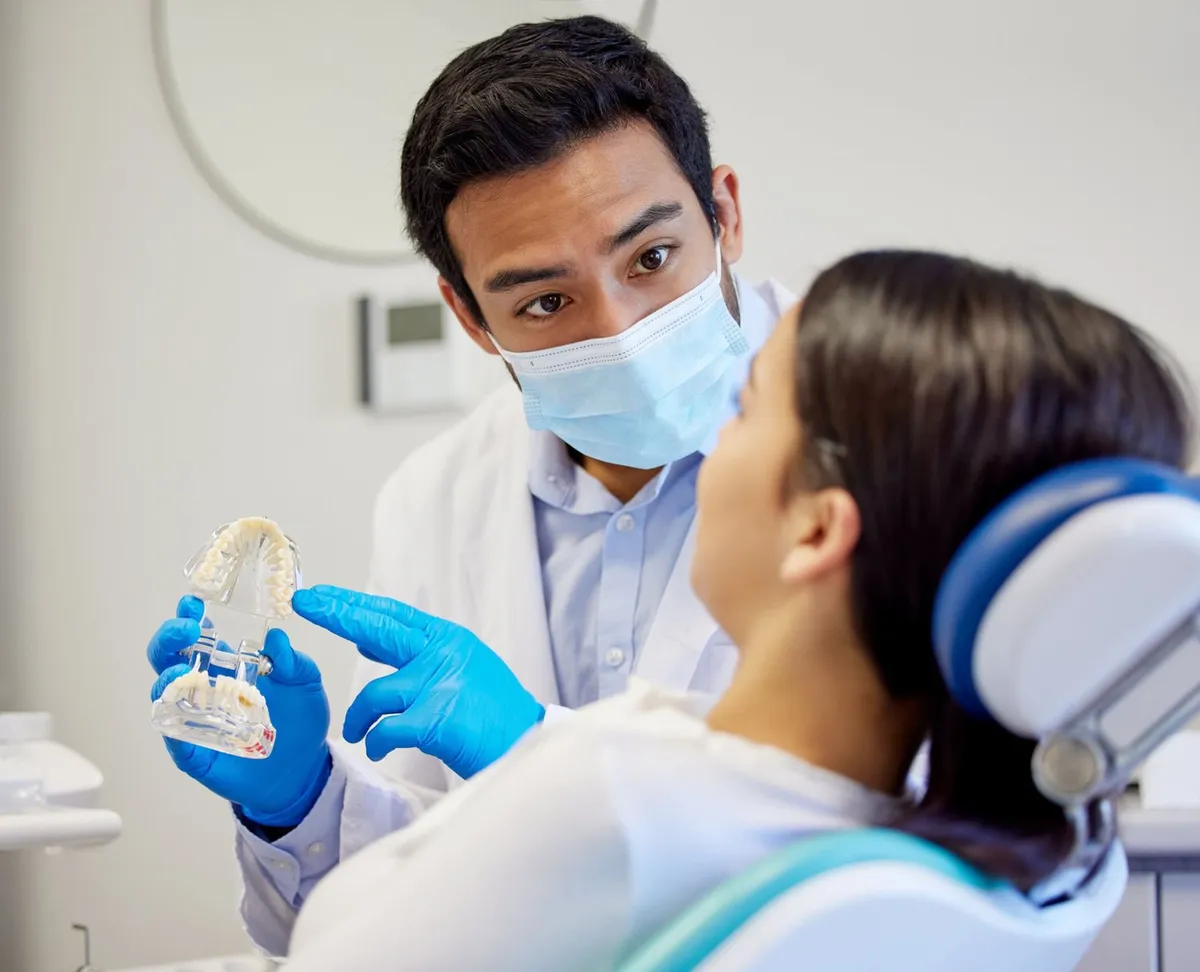
A dentist explaining a treatment plan to a patient in the clinic
If bone volume is the question

What bone grafting actually involves.

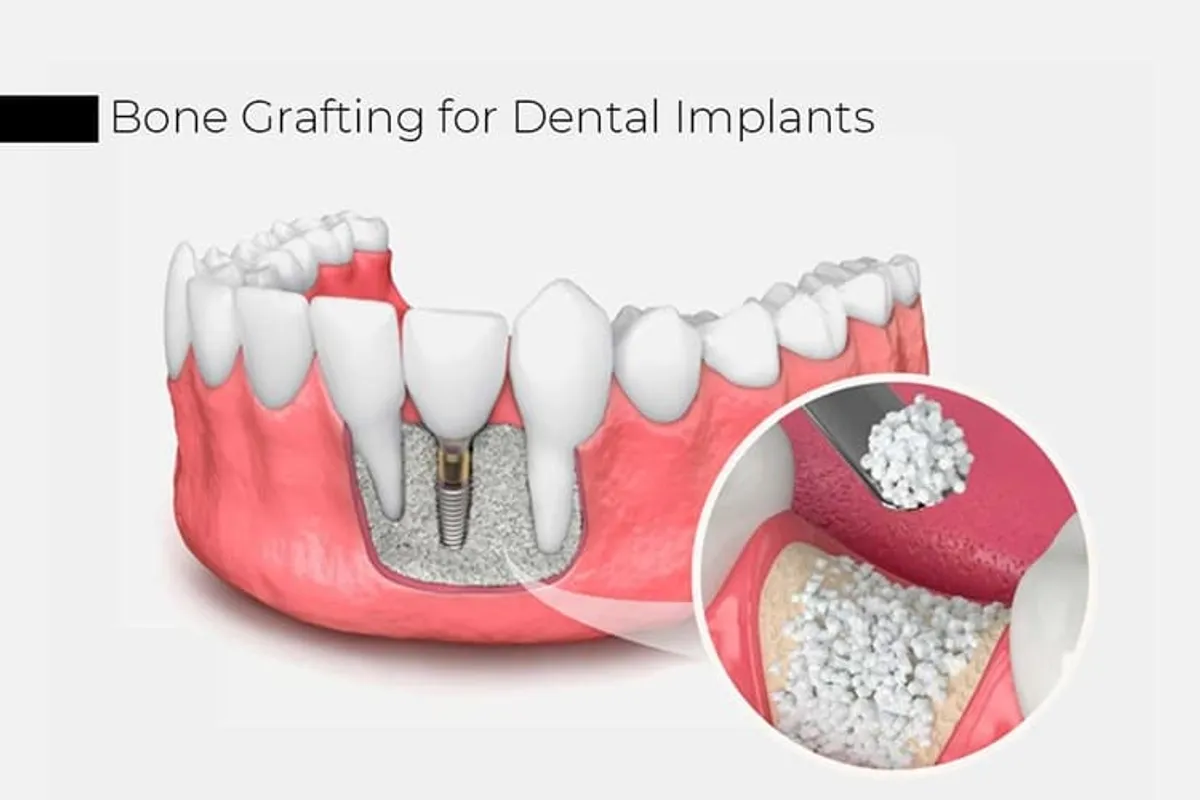
When a tooth has been missing for a while, the jawbone underneath it can gradually thin — the bone simply doesn't need to do as much work without a tooth root to support, so it resorbs over time. That's not a problem in itself, but it can mean there isn't quite enough bone volume at the site to anchor an implant securely.

Bone grafting adds material to that site to rebuild volume, creating a stable foundation. It's typically given time to integrate with your existing bone before, or sometimes at the same time as, the implant is placed. Not every single tooth implant needs this step — it comes down to what your 3D imaging actually shows.

Bone grafting treatment used to build bone volume before an implant is placed
Bone grafting rebuilds volume, not guesswork

Any surgical or invasive procedure carries risks. Before proceeding, please seek a second opinion from an appropriately qualified health practitioner.

Specifically for the upper back jaw

What a sinus lift actually involves.

If your missing tooth is at the back of the upper jaw, there's an extra factor to consider: the maxillary sinus, an air-filled space that sits just above the roots of your upper back teeth. In some people, especially after a tooth's been missing for a long time, the sinus floor can sit quite close to the available bone, leaving too little height for an implant.

A sinus lift addresses this directly — the sinus membrane is gently lifted, and graft material is placed underneath it to build up the bone height needed. It's a well-established, specific type of bone grafting used only in this part of the jaw, and it's only ever recommended if your imaging shows it's genuinely required for your implant to have a stable foundation.


A 3D look at how a sinus lift builds bone height

Any surgical or invasive procedure carries risks. Before proceeding, please seek a second opinion from an appropriately qualified health practitioner.

Good to know — aftercare

Looking after your implant for the long run.

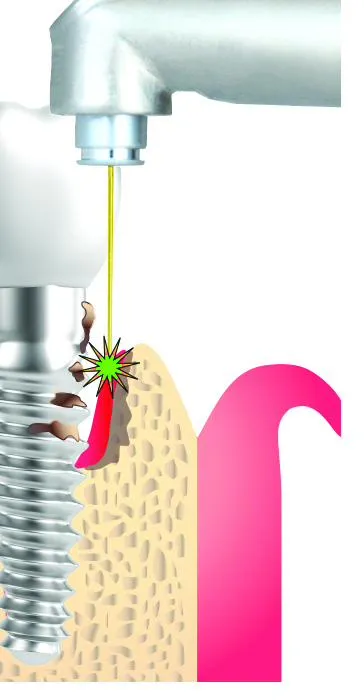
An implant doesn't get decay the way a natural tooth can, but the gum and bone around it can still become inflamed — a condition called peri-implantitis, similar in principle to gum disease around a natural tooth. It's usually picked up early at routine review appointments, well before it becomes noticeable day to day.

If it is found, treatment can include laser-assisted decontamination of the implant surface, alongside a review of your home care and bite. We offer dedicated peri-implantitis management across all three clinics — read the full peri-implantitis page for the detail →

Clinical illustration of gum tissue around a dental implant
Caught early at a routine review, most of the time
Making it manageable

Know the range before you ask.

The real barrier for a lot of people was never wanting the gap fixed — it was not knowing what to expect cost-wise. That's why we lay out the range in plain English first, and why we work with payment options that spread cost across smaller, regular amounts.

Know the numbers before you decide anything.

Curious what a single tooth implant might cost? Open the repayment estimator →

Estimate only — not a quote or credit approval. Your actual cost is confirmed at consultation, and depends on whether bone grafting or a sinus lift is needed.

We accept

About the estimator: it gives an indicative figure only, based on typical per-implant pricing — it is not a quote. Every implant is priced individually once we've assessed the site with 3D imaging, and bone grafting or a sinus lift, if needed, is costed separately. You'll always see the exact cost in writing before agreeing to treatment. Repayment figures are illustrative, calculated by spreading the estimated total evenly across a Humm plan, and exclude any fees or charges Humm may apply; finance is subject to Humm's own eligibility criteria and approval, and is not guaranteed.

A calm place to start

Care that talks you through it.

3D imaging, not a guess

Bone volume is measured properly before any recommendation, including whether grafting is genuinely needed for your tooth.

Neighbouring teeth left alone

A single implant stands on its own, so the healthy teeth either side of your gap aren't reshaped or involved.

Reviewed for the long run

Regular reviews help catch early signs of peri-implantitis, with laser-assisted care available if it's ever needed.

Good questions

The things people usually ask.

A single implant is usually considered when one tooth is missing or beyond saving, and the surrounding teeth are healthy enough that you'd rather not involve them. We'll confirm suitability with a clinical exam and 3D imaging to check bone volume at the site.
Not always. It depends on how much bone remains at the site, which we assess with 3D imaging. If the tooth has been missing for a long time, or the site is in the upper back jaw near the sinus, bone grafting or a sinus lift may be recommended first to build a stable foundation.
Timelines vary between individuals, since the implant needs time to integrate with the bone before the final crown is fitted, and any grafting adds healing time of its own. We'll give you a realistic projected timeline once we've assessed your site.
Peri-implantitis is inflammation or infection in the gum and bone around an implant. It's usually picked up at routine review appointments and managed with laser-assisted decontamination of the implant surface where appropriate — see our dedicated peri-implantitis page for the full detail.
Cost depends on the site, whether grafting is needed, and the crown material chosen. We'll only ever confirm an exact, written cost once we've assessed your jaw — you can also get a rough indicative figure using our repayment estimator on this page.

Not sure if it's the right fit?

A short consultation with 3D imaging is usually enough to know. If you'd like to ask a few things first, give us a call — we're happy to talk it through.

Book a consultation (03) 8358 2565

Caroline Springs Clinic

Address1 Lancefield Drive, Caroline Springs VIC 3023
HoursMon – Sat · 9:00 AM – 5:00 PM
Get directions

Information on this page is general in nature. Treatment outcomes, timelines and suitability vary between individuals — we'll examine your jaw and explain what's realistic for your situation before you decide anything.

When you're ready

Let's take a proper look.

A short consultation with 3D imaging is usually enough to tell whether a single tooth implant is the right fit for you, with a clear, written cost estimate before you decide anything.

Caroline Springs · 1 Lancefield Drive VIC 3023 · info@magicalsmiles.com.au
Information on this page is general in nature and is not a substitute for individual advice from your dentist. Treatment outcomes and timelines vary between individuals. Any surgical or invasive procedure carries risks — before proceeding, please seek a second opinion from an appropriately qualified health practitioner.