
Feeling anxious doesn't make you difficult.
It's one of the most common reasons people put off booking — new patients and long-time patients alike — and here it's treated as a completely normal thing to mention, not an inconvenience. This page gathers what's already here for you, and where to start.
Nothing happens without you · Ask us to slow down, stop, or take a breather at any pointDental anxiety is common.
It rarely responds to being told to calm down.
It can come from a difficult past experience, the sounds and smells of a clinic, a fear of losing control in the chair, or simply not knowing what's about to happen.
A difficult past experience, a fear of pain, or simply feeling embarrassed about the gap since your last visit — all genuinely common reasons people delay booking, and all things our team is used to hearing.
Even years in, it's fine to say you're anxious. Some of our longest-standing patients still feel a flicker of nerves before a visit, or have let a hygiene appointment slide because a particular treatment worries them. That's genuinely fine to mention, any time.
This page is for you if —
You'll feel at home here if —
- —You've delayed a dental visit for months or years because of nerves.
- —Past appointments have left you feeling tense, tearful, or overwhelmed.
- —You'd like to know what's possible before you commit to anything.
You might want a different page if —
- —You want the clinical detail of sedation options — that's the sedation dentistry page.
- —Your child is the nervous one — start at the children's first visit page.
- —You're ready to book and just want the how — that's the new patients page.
Start with the part that's hardest.
Each of these already has its own page, written properly. Pick the one that sounds like you.
It's been years
There's no such thing as too long between visits. Whether it's been two years or twenty, you'll be met with the same warm, practical approach — no judgment about the gap.
02Needles
The Wand delivers local anaesthetic at a slow, steady, computer-controlled pace through a pen-like handpiece. It still uses a needle — we won't pretend otherwise — but the delivery is where things change.
03The drill
Laser cavity treatment is quieter, with no vibration, and is often possible without an injection for small, early cavities. Suitability depends on the procedure and is assessed at your consultation.
04The whole appointment
Happy Gas, oral sedation and Penthrox — each discussed at a consultation first, matched to your health history and the treatment you're having, so you're never guessing at what to expect.
05A nervous child
A first visit that's introduction, not treatment — your child meets the chair and decides for themselves that this isn't scary, at whatever pace that takes.
06Just talking first
A consultation is simply a conversation. Nothing is decided until you're ready — and there's no expectation to proceed on the day.
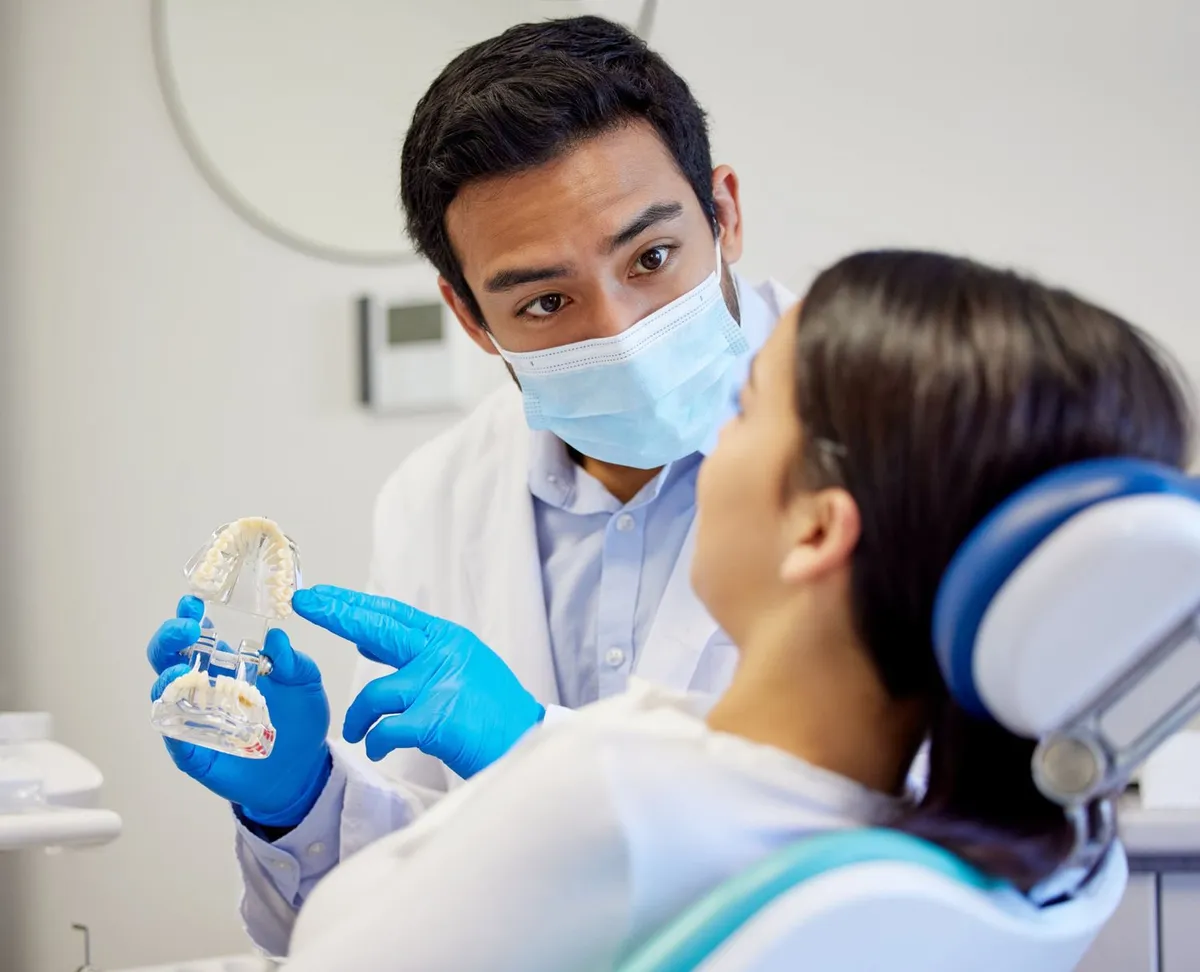
An unhurried first conversation.
You set the pace.
Nothing is done to you without being talked through beforehand, and you're welcome to ask us to pause, slow down, or stop at any point — that's a normal part of the appointment, not an interruption to it.
Appointments are unhurried by design — nothing happens without being explained first, in plain English. We talk each step through before it happens, so you always know what's coming next.
If something specific worries you, mentioning it when you book helps us prepare, but it's just as fine to bring it up once you're in the chair. Quieter appointment times can be arranged on request.
What we won't promise.
We won't promise zero discomfort. No sedation option can promise that, and we'll always be upfront about it. What we can do is explain, slow down, and give you options.
We won't pretend the Wand isn't a needle. It still uses a fine needle to deliver the anaesthetic — what's different is the delivery itself, steadier and more evenly paced than a manual push.
We won't say the laser suits everything. Some procedures still require anaesthetic, and individual experiences vary. Suitability is assessed at your consultation.
Any surgical or invasive procedure carries risks. Before proceeding, please seek a second opinion from an appropriately qualified health practitioner.
The things anxious patients usually ask.
Let's make the next visit a little calmer.
Call and tell us what worries you most — it helps us plan around it. Or book a first visit online: a conversation first, nothing decided until you're ready.