
On this page
- Why does grinding matter for veneers and bonding?
- What signs should I mention at the consultation?
- What will the dentist check first?
- How do veneers and bonding compare if I grind?
- How can I protect my teeth if I grind?
- Which questions should I ask before agreeing to treatment?
- How do I talk this through with the Caroline Springs team?
- Sources
Possibly, but grinding changes the conversation. If you grind or clench your teeth, tell us before we plan veneers or bonding. It does not automatically rule cosmetic work out, but it affects which option is discussed, what we check first and how the teeth are protected afterwards.
Grinding puts force on teeth that is not part of normal chewing. Healthdirect’s teeth grinding guidance lists cracked, chipped or loose teeth, damaged fillings and sensitive teeth among the possible signs. Our veneers overview compares the veneer types we offer, and this article covers the grinding question that comes before choosing one.
Why does grinding matter for veneers and bonding?
Both treatments add material to the tooth, and that material can be damaged. Victoria’s Better Health Channel explains that resin composite can chip or fall out and need replacing, and that a veneer can chip, break or stain at the margins and need replacing.
Healthdirect notes that more serious grinding can damage or crack teeth. So the question is not only “which veneer looks right?” but “what forces will this tooth be under at night?” That is why we ask about grinding at the consultation, before anything is shaped or bonded.
Our composite bonding page also says that how long bonding lasts varies with the tooth, your bite and habits like nail-biting or grinding. If you have read our article on the downsides of dental veneers, grinding is one of the practical reasons those downsides deserve a proper discussion.
What signs should I mention at the consultation?
Mention anything that might point to grinding, even if you are not sure. Healthdirect explains that if you grind while asleep, you may not know you are doing it, and that some people have no symptoms at all.
- Painful jaw muscles, especially in the morning
- Headaches or toothaches
- Chipped, cracked or worn teeth, or fillings that keep breaking
- Sensitive teeth
- A partner telling you they hear grinding at night
Healthdirect also lists possible triggers, including stress and anxiety, smoking, alcohol or caffeine, snoring and some medicines. You do not need to work out the cause yourself. Just tell us what you have noticed and any medicines you take.
What will the dentist check first?
Healthdirect says dentists look for signs of bruxism, such as tooth wear and damage, during regular check-ups, and ask about your symptoms, sleep habits, general health and medicines. Better Health Channel adds that before any cosmetic procedure, a dentist should check your whole mouth, treat any disease first and find out what is causing the appearance you are unhappy with.
That matters with grinding. A chipped or worn edge may be the result of grinding, not just a cosmetic concern. Covering it without discussing the cause leaves the same force acting on the new surface.
Healthdirect also notes that if a dentist finds sleep bruxism, they may suggest you see a doctor to check for sleep apnoea. Our clinic has a separate snoring and sleep apnoea page if that conversation comes up.
How do veneers and bonding compare if I grind?
There is no single answer for everyone who grinds. Your dentist will look at your teeth and bite before suggesting anything. These are the differences worth asking about, drawn from Better Health Channel and our own service pages.
| Question | Composite bonding | Porcelain veneers |
|---|---|---|
| How is it made? | Tooth-coloured resin is shaped directly on the tooth and hardened, usually in one visit. | Ceramic shells are made in a dental laboratory and bonded over two visits. |
| How much tooth is changed? | Our bonding page says little or no natural tooth is removed in most cases. | A small amount of enamel is usually reshaped, and that part is not reversible. |
| What can go wrong? | Resin can chip or fall out and need replacing. | A veneer can chip, break or stain at the margins and need replacing. |
| What if it is damaged? | Our bonding page says bonding can be polished, repaired or refreshed. | Ask your dentist how a damaged veneer would be managed for your tooth. |
This table does not recommend one material over the other. Better Health Channel also points out that once a tooth is cut for a veneer, it may always need a veneer, so the decision deserves time.
How can I protect my teeth if I grind?
Healthdirect describes two broad approaches. One is managing the causes, such as reducing stress and anxiety, building good sleep habits and avoiding stimulants and caffeine. The other is protecting the teeth, which may include a custom-made mouthguard known as an occlusal splint, dental treatment to repair damaged teeth, and physiotherapy for jaw muscle pain.
At Caroline Springs we make custom night guards and occlusal splints from impressions of your bite. Our mouthguards page explains how they are made. If you are planning veneers or bonding, ask whether a night guard is suggested and when it would be made in relation to your cosmetic treatment.
Healthdirect notes that not everybody who grinds needs treatment, and that it is common to use more than one approach. Ask your dentist about the benefits and risks of each option for you.
Which questions should I ask before agreeing to treatment?
- Do you see signs of grinding or clenching on my teeth?
- Is the chip or wear I want to cover caused by grinding?
- Would bonding, veneers or another option suit my bite, and why?
- What could happen to the new surface if I keep grinding?
- Do you suggest a night guard, and when should it be made?
- What would repair or replacement involve if something chips?
- What does the written cost include?
Better Health Channel suggests asking about the options available, the pros and cons of each, what results can reasonably be expected, the costs involved and any possible side effects or complications. If colour is also on your mind, our article on whitening and existing crowns or veneers explains why whitening is usually sequenced before resin is matched.
How do I talk this through with the Caroline Springs team?
When you book, mention that you grind or clench your teeth and that you are asking about veneers or bonding. If a tooth is painful, cracked or broken, say so, because that may need attention before any cosmetic planning.
Magical Smiles Caroline Springs is at 1 Lancefield Drive. Read about Dr Rachna Yadav, Principal Dentist, contact our team or use the Caroline Springs booking page. You can also call (03) 8358 2565. We put costs in writing at the consultation before you decide anything.
This is general information, not advice about your own teeth. Your dentist should explain the options, risks and alternatives after examining you.
Sources
Sources checked 16 November 2026.
- Healthdirect: Teeth grinding (bruxism) — signs, causes, diagnosis, treatment approaches and complications; last reviewed October 2023.
- Better Health Channel: Cosmetic dentistry and teeth whitening — checks before cosmetic treatment, resin composite and veneer risks, questions to ask; reviewed 12 December 2025.
- Magical Smiles: Composite bonding, Porcelain veneers and Mouthguards — Caroline Springs treatment steps, night guards and written costs.
- Principal-dentist profile and clinic contact page — author identity and local details.
Frequently asked questions
Yes. Healthdirect lists cracked or chipped teeth, damaged fillings and sensitive teeth among possible signs of grinding, and Better Health Channel notes that veneers and resin composite can chip or break. Your dentist needs to know about grinding or clenching to plan for it.
Healthdirect explains that you may not be aware you grind while asleep. A bed partner may notice the sound, and your dentist checks for tooth wear and damage at regular check-ups. Mention any morning jaw soreness or headaches.
Healthdirect describes a custom-made mouthguard, known as an occlusal splint, as one way to protect teeth from grinding. Ask your dentist whether one is suggested for your teeth and any existing dental work.
About the author

Related articles
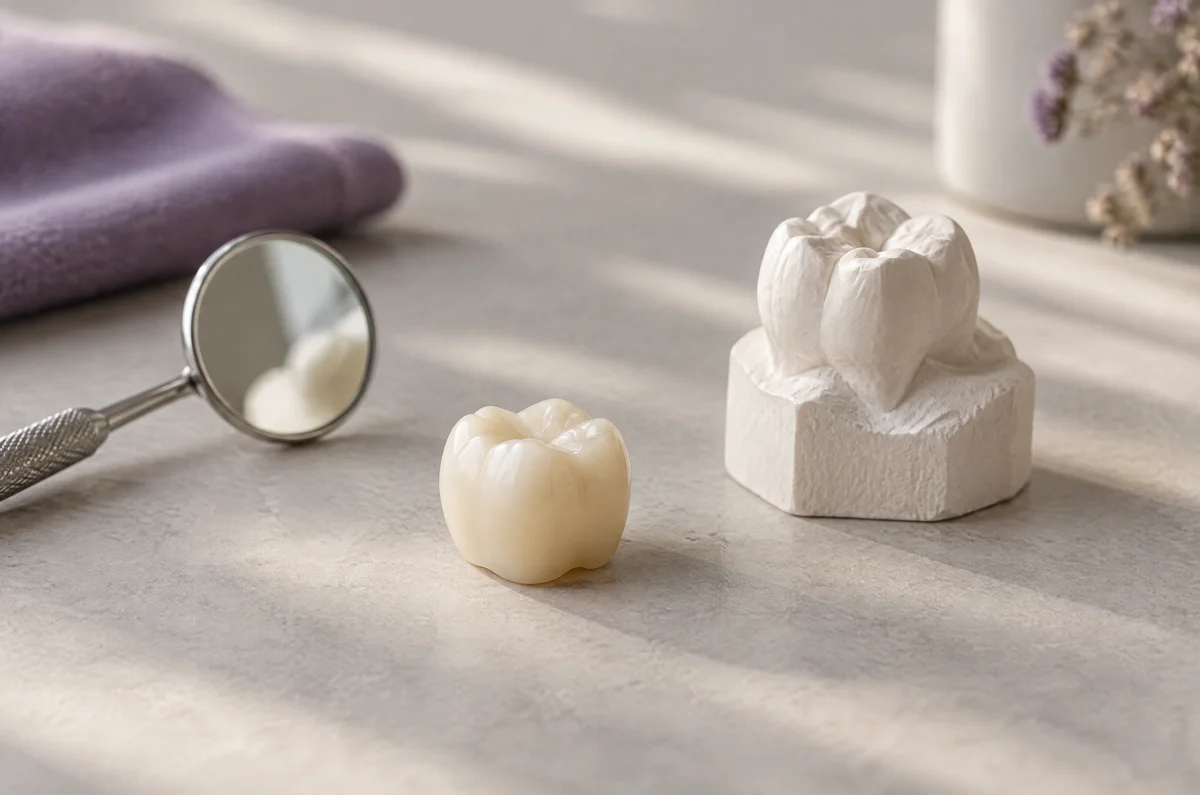 Cosmetic & Smile DesignCan my dental crown be made in one visit?
Can my dental crown be made in one visit?
Can a crown be made in one visit? Compare CEREC and laboratory appointment planning, suitability, risks and questions for our Caroline Springs team.
- Cosmetic & Smile DesignWill Whitening Change My Crown or Veneer Colour?
Will Whitening Change My Crown or Veneer Colour?
Colour matching, whitening limits and questions before changing existing dental work.
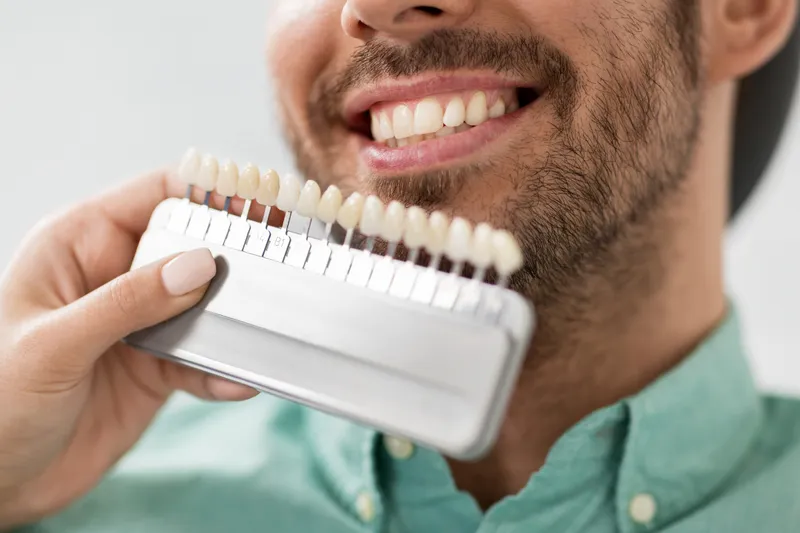 Cosmetic & Smile DesignWhat Are Dental Veneers?
What Are Dental Veneers?
An introduction to dental veneers.
 Cosmetic & Smile DesignDental Veneer Procedure: Steps, Risks and Recovery
Dental Veneer Procedure: Steps, Risks and Recovery
Information about veneer procedures and recovery.
 Cosmetic & Smile DesignHow Much Do Dental Veneers Cost?
How Much Do Dental Veneers Cost?
Questions to ask when seeking an individual veneer quote.
Our locations
Magical Smiles has locations in Caroline Springs, Bacchus Marsh and Point Cook.