
On this page
- Summary of the article:
- Understanding Dental Implants
- The Dental Implant Procedure
- Top Benefits of Choosing Dental Implants
- Long-Term Oral Health Outcomes with Dental Implants
- A Seamless Integration of Dental Implants and Your Lifestyle
- Dental Implants as A Boon for Oral Hygiene
- Durability and Longevity
- Caring for Your Dental Implants
- Investing in Your Dental Health
- Is a Dental Implant Right for You?
- Final Thoughts
- Why Dental Implants Are a Game Changer for Oral Health
- Durability and Functionality as Replacements for Missing Teeth
- The Benefits of Choosing Dental Implants for Your Oral Health
- Preventing Bone Loss with Dental Implants
- How Dental Implants Improve Chewing and Speech
- Investing in Your Oral Health with Dental Implants
- The Importance of Bone Health in Dental Implant Success
- How Dental Implants Prevent Bone Loss
- The Process of Osseointegration Explained
- The Role of Bone Grafting in Implant Procedures
- Long-Term Benefits of Dental Implants for Jawbone Health
- Maintenance and Care for Bone Health Post-Implant
Understanding the benefits of dental implants is key to making informed decisions about oral care. They not only improve the appearance of your smile but also contribute to overall oral health. The dental implant procedure is designed to seamlessly integrate with your natural teeth, enhancing oral hygiene practices. This approach to dental care is a thoughtful consideration for those looking to improve their oral health.
Summary of the article:
- Dental implants enhance smile appearance and improve oral hygiene.
- They blend with natural teeth, improving oral care practices.
- Implants provide an alternative to dental bridges and dentures , resembling natural teeth.
- Anchored directly into the jawbone, implants offer stable support.
- The procedure may include a bone graft for those with insufficient bone density.
- Similar care to natural teeth is needed: brushing, flossing, check-ups.
- They help maintain oral hygiene and jawbone health.
- The process involves consultation, jaw preparation, implant placement, healing, and maintenance.
- Implants are durable, support daily functions, and look natural.
- Key considerations include oral health, bone density, lifestyle habits, and financial investment.
Understanding Dental Implants
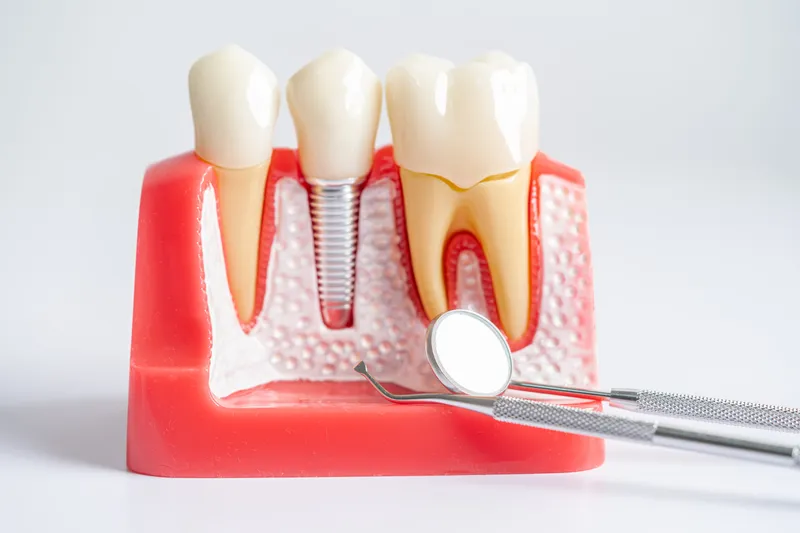
Dental implants offer a unique method for improving smiles, distinct from dental bridges or false teeth. Their primary role is to replace missing teeth, closely resembling natural teeth in function, feel, and appearance. Unlike a dental bridge that relies on adjacent teeth, implants are individual structures. They are anchored directly into the jawbone, designed for enduring stability and use. The procedure involves placing the implant into the jawbone, where it integrates with the bone tissue. A bone graft procedure might precede the implant treatment in cases of insufficient bone density. Caring for dental implants is similar to looking after healthy teeth, involving routine brushing and flossing. Regular dental check-ups are also essential to maintain their condition. These implants not only provide a natural appearance but also support oral hygiene. They play a crucial role in maintaining the health of jaw bones. As a result, dental implants are a significant consideration for those aiming for oral health improvement. This approach contributes to a beautiful smile and improves overall oral health.
The Dental Implant Procedure

Getting a dental implant can significantly enhance your oral health. The procedure involves distinct stages focused on safety and the benefits of oral hygiene.
- Initial consultation: This first step assesses if a dental implant suits you. Your dental health and medical conditions are discussed. An examination of your facial bone structure is also conducted.
- Treatment preparation: If necessary, the whole mouth is then prepared for treatment. This might include addressing any damaged teeth or gum disease. The goal is a healthy oral cavity and bone for the implant.
- Implant placement: A titanium post is precisely placed into the jawbone during a surgical procedure. Titanium is used for its strength and body compatibility. It acts as a new root for your artificial tooth.
- Healing and bone integration: Post-placement, the implant integrates with your jawbone. This phase is crucial for implant stability and can take weeks to months. Keeping up with oral hygiene during this period is vital.
- Adding the prosthetic tooth: A prosthetic tooth is attached after full integration. It is designed to match your existing teeth and enhance your facial appearance. This tooth also improves your smile and facial structure.
- Follow-up and maintenance: Regular dental check-ups are crucial to maintain the implant’s longevity and the health of the surrounding teeth and gums.
Minimising risks and enhancing oral health are critical for dental implant procedures. It’s not just about replacing a missing tooth; it’s about restoring confidence in your smile.
Top Benefits of Choosing Dental Implants
Dental implants offer several advantages, significantly impacting oral health and aesthetics. Let’s explore these benefits in a simple, realistic manner.
- Improved oral health: Dental implants contribute to better oral hygiene. They do not require altering neighbouring teeth and prevent the harmful effects of tooth loss, which benefits your overall dental health.
- Durability: One of the notable benefits of dental implants is their durability. With proper care, they can last many years. They support your daily function without the worry of tooth decay.
- Aesthetic enhancement: Dental implants provide a natural-looking smile. They are designed to look and feel like your real teeth. Additionally, Implants can support a replacement tooth or prosthesis; appearance and patient experience vary by case.
- Preventing bone loss: After tooth loss, bone loss in the jaw can occur. Dental implants stimulate and preserve bone, maintaining the facial bone structure.
- A stable foundation for prosthetics: They offer a stable foundation for prosthetic teeth. This stability is crucial for comfort, longevity and oral function.
- Customised treatment plan: Each dental implant process is tailored to the patient’s needs. It is based on your specific situation and adequacy of bone density.
- Improved Functionality: Dental implants enhance overall oral functionality, allowing for more natural biting, chewing capabilities, and clearer speech compared to other dental prosthetics.
Dental implants offer a comprehensive range of benefits, from improving oral hygiene to enhancing your smile aesthetically.
Long-Term Oral Health Outcomes with Dental Implants
Dental implants significantly contribute to long-term oral well-being. Here’s a closer look at these key outcomes:
- Jawbone health: Dental implants stimulate the jawbone, preventing deterioration after tooth loss. This preservation is crucial for maintaining jawbone health.
- Gum health: Implants fit precisely, reducing spaces where harmful bacteria can grow. This helps lower the risk of gum disease.
- Protecting neighbouring teeth: Unlike some dental procedures, implants don’t require altering adjacent teeth. This preserves the natural structure and strength of your other teeth.
- Reducing oral health complications: Implants mimic natural teeth, reducing misalignment and chewing difficulties. These benefits positively impact overall oral health.
- Durability and reliability: Dental implants can last long with proper care. Their longevity allows for consistent oral function and comfort.
- Overall health impact: Good oral health with dental implants can influence your general health. A healthy mouth can reduce the risks of specific systemic health issues.
- Ease of maintenance: Implants allow for a regular oral hygiene routine, similar to caring for natural teeth. This consistency is vital for long-term oral health.
Dental implants are a significant investment in oral health. They support jawbone and gum health, protect surrounding teeth, and reduce oral health complications. Their durability and role in maintaining oral hygiene routines underscore their value for long-term oral well-being.
A Seamless Integration of Dental Implants and Your Lifestyle
Dental implants make daily activities like eating and speaking more comfortable and natural. They let you easily enjoy your favourite foods, functioning just like real teeth. This benefit extends to speech improvement, offering clarity and comfort, unlike ill-fitting dentures. Their care seamlessly fits into your regular dental routine, requiring no extra time or special attention. Collaborating with your dentist or oral surgeon allows for a smooth process and a successful outcome. Dental implants enhance your oral health and appearance, providing a natural and attractive smile. They are a practical, reliable addition to your dental care, improving function and aesthetics.
Dental Implants as A Boon for Oral Hygiene
Dental implants significantly improve oral hygiene, going beyond just replacing missing teeth. They prevent the shifting of neighbouring teeth, maintaining natural alignment. This helps in effective brushing and flossing, which is crucial for oral health. Gaps from tooth loss can lead to gum disease as bacteria accumulate in these spaces. Implants fill these gaps, offering a clean surface similar to natural teeth. This reduces the risk of gum disease, simplifying oral care. Jawbone health is essential, too. Without a tooth, the jawbone can deteriorate. Dental implants stimulate the jawbone, preventing this bone loss. They act like natural tooth roots, keeping the bone healthy and intact.
Durability and Longevity
Dental implants stand out for their durability, making them a lasting choice for dental health. Unlike other tooth replacement options, they’re designed to endure for many years. This makes them a popular choice for those looking for long-term treatment options. Made from robust biocompatible materials, they’re equipped to handle daily eating and speaking demands. The strength of these implants lies in their design and integration with the jawbone. This process, known as osseointegration, is vital for their longevity. It makes the implant stable and a reliable part of your dental structure. The healing process is crucial for this integration, allowing the implant to bond properly with the bone and gum tissue. With the proper care and a successful healing period, dental implants can significantly improve and sustain oral health.
Caring for Your Dental Implants
Proper oral hygiene with dental implants is vital for their longevity and overall oral health. Here are some essential tips:
- Regular cleaning : Dental implants require brushing twice daily, similar to natural teeth. Flossing daily, focusing on the area around the implant, is crucial.
- Soft foods after surgery: Following dental implant surgery, it’s wise to eat soft foods at first. This approach aids the healing process by minimising pressure on the implant.
- Gradual return to normal diet: As your implant heals, you can slowly reintroduce your diet. This gradual change helps in avoiding discomfort during the healing period.
- Consistent dental visits: Regular check-ups with your dentist are essential. These visits allow for monitoring your implant’s health and early detection of any issues.
- Awareness of risks: Understanding common risks, such as infection, is crucial. Maintaining good oral hygiene with dental implants is fundamental to reducing these risks.
- Prompt addressing of problems: Prompt action is essential if there are signs of dental implant failure. Your dentist can offer guidance on the necessary steps.
- Avoid smoking: Smoking can impair healing and negatively affect the stability of dental implants by reducing blood flow and slowing healing.
Adhering to these maintenance tips can help your dental implants remain in optimal condition. Consistent care and dental check-ups form the cornerstone of sustaining your implants. With proper maintenance, your implants can support your oral health effectively for many years.
Investing in Your Dental Health
While the upfront cost of dental implants may appear substantial, Fees vary according to individual needs and the treatment provided. Ask the treating practice for a personalised written quote before deciding. Dental implants are designed for durability, reducing the need for further dental work in the future. Health fund cover for dental implants is worth exploring, as it can alleviate some initial expenses. Checking with your health fund provider can clarify what coverage is available for dental implants. This can make the option more accessible and financially manageable. Dental implants represent more than just a financial commitment. They’re an investment in long-term oral health. They offer a convenient option that minimises surgical risks and reduces the likelihood of future oral health issues. The healing time and potential risk of infection are considerations well balanced by the enduring benefits of dental implants.
Is a Dental Implant Right for You?
Determining if dental implants are suitable for you involves assessing several essential factors:
- Oral health status: Good oral health is essential. Any existing issues like periodontal disease need to be addressed first.
- Bone density: Adequate bone volume in your jaw is critical. It provides a stable foundation for replacement teeth.
- Overall health and medical conditions: Autoimmune diseases, diabetes and other medical conditions can affect implant success. A thorough health assessment with your dentist is vital.
- Commitment to oral hygiene: Consistent oral hygiene with dental implants is crucial for implant longevity. This includes regular brushing, flossing, and dental visits.
- Lifestyle considerations: Habits such as smoking can impact the success of implants. Assessing your lifestyle habits is essential.
- Ease of maintenance: Consider if you can meet the maintenance requirements of implants. They need care similar to natural teeth.
- Understanding the biological process: Be aware of the osseointegration process and healing times. These vary among individuals and are crucial to success.
- Financial investment: The initial expense of dental implants is an important aspect to consider. However, it’s not just a cost but an investment in oral health. Over time, their long-lasting benefits can outweigh this initial financial outlay.
- Professional advice: A detailed assessment by a dental professional will determine if implants are suitable for you. This considers your health and lifestyle factors.
Considering these factors, you can make an informed decision about dental implants. Discussing these aspects with your dentist will help determine whether they are the right choice for oral health improvement.
Final Thoughts
Dental implants have a significant role in improving smiles and overall oral health. They blend well with natural teeth and offer lasting benefits for oral hygiene. This makes them an excellent choice for individuals looking for oral health improvement. The dental implant procedure, tailored to each person, focuses on achieving the most suitable outcome for your smile and well-being. Are you considering dental implants? Magical Smiles Caroline Springs is here to help. We provide personalised care, walking you through each step of the process. Booking a consultation is the first step towards understanding how dental implants can positively impact your smile and oral health.
Having a healthy smile is important for everyone, as it affects not just how we look but also our overall health. But missing teeth can make it hard to eat, talk, and even smile confidently. Fortunately, improving oral health with dental implants offers a reliable dental treatment option that feels and functions like natural teeth. Dental implant advantages are a game changer for oral health issues. They are designed to be a long-term option, providing stability and durability. Unlike dentures, which can shift or cause discomfort, implants stay securely in place. This helps keep the natural structure of your mouth and supports better oral health. If you’re looking to improve your oral health and enjoy a confident smile, keep reading. We’ll explore the many benefits of dental implant procedures and how they can positively influence your daily life.
- Improving oral health with dental implants offers a durable, long-term option for tooth loss. They integrate with the jawbone to create a stable foundation.
- Dental implants help maintain jawbone health and prevent changes in facial structure, keeping its natural appearance.
- Dental implants improve chewing and speaking functions, allowing for better digestion and clear communication.
- The aesthetic benefits include a natural-looking, radiant smile that boosts self-confidence.
- Dental implants support good oral hygiene habits, reducing the risk of dental plaque accumulation causing gum disease and maintaining its optimal condition.
- Quality dental implants provide unmatched comfort and convenience compared to removable dentures.
- Regular dental check-ups and proper daily care routines contribute to the faster healing period, longevity and health of dental implants.
- Investing in dental implants can greatly improve oral health. This option also enhances the quality of life for those with tooth loss.
Why Dental Implants Are a Game Changer for Oral Health
They provide a solid base for replacement teeth that resemble, feel, and work like natural teeth. When a tooth is lost, several problems can arise, including bone loss, shifting of adjacent teeth, and a decline in overall oral hygiene. Improving oral health with dental implants addresses these common issues by acting as a substitute for the root of a missing tooth. Implants bond with the jawbone, helping to prevent bone loss and preserving the facial structure. This implant process, called osseointegration, maintains adequate bone density and a healthy jawbone, which is essential for overall oral health. Replacing missing teeth with implants helps individuals avoid complications related to tooth loss, like misalignment, deterioration of bone and gum tissue disease.
Durability and Functionality as Replacements for Missing Teeth

- Durability: One of the most significant dental implant advantages of dental implants is their durability. Crafted from biocompatible materials like titanium, implants are built to endure the forces of chewing and biting. This makes them a reliable long-term dental option, providing durability and functionality for patients. Unlike traditional dentures or bridges, which may need frequent adjustments or replacements, dental implants provide a stable and enduring option.
- Functionality: Dental implants work like natural teeth. They provide a secure and stable base for crowns, bridges, or dentures , allowing individuals to eat, speak, and have a more attractive smile. This functionality is important for maintaining a normal lifestyle. It helps make certain that missing teeth do not hinder daily activities such as eating and speaking.
Implants help spread the chewing forces evenly across the jaw, reducing the risk of damage to the remaining teeth. Overall, dental implants provide a durable, functional, and long-lasting option for tooth loss. Dental implants are often chosen by patients for their ability to preserve jawbone integrity and closely mimic natural teeth. Additionally, they promote overall oral health, making them a popular option for those looking to restore their smiles and oral function.
The Benefits of Choosing Dental Implants for Your Oral Health
Dental implants offer numerous benefits for both oral health and overall well-being. Here’s how:
- Improved Oral Hygiene: Dental implants support better oral hygiene by enabling proper brushing and flossing, similar to natural teeth. They fill gaps left by missing teeth, reducing the risk of plaque formation and periodontal disease.
- Enhanced Confidence: Implants are custom-made to match your natural teeth, providing a natural-looking, beautiful smile. Restoring missing teeth boosts self-esteem and improves overall quality of life.
- Durability and Stability: Made from medical-grade titanium, dental implants offer a long-term option and a strong foundation for replacement teeth. They also prevent bone loss by keeping healthy jawbone density.
- Functional Benefits: Dental implants restore proper chewing function, letting you enjoy your favourite foods without discomfort. By replacing missing teeth, they also improve speech clarity.
- Overall Dental Health: Implants protect adjacent teeth by not requiring the alteration of neighbouring teeth for prosthetic purposes, preserving their natural structure. They are suitable for single or multiple tooth replacements, offering a versatile and effective treatment.
- Convenience and Comfort: Unlike removable dentures, dental implants are secured in place, eliminating the worry of slippage or movement. They function like natural teeth, providing a comfortable and secure fit.
Routine dental appointments and proper implant care are important to maintaining healthy and durable dental implants. Consulting with your qualified dentist can help you decide if the dental implant procedure is the right option for you.
Preventing Bone Loss with Dental Implants
Dental implants play a vital role as they aid in preventing bone loss and maintaining the structure of the jaw. Here’s how:
- Artificial Tooth Root: Dental implants made from medical-grade titanium act as artificial tooth roots. They integrate with the jawbone through a dental procedure called osseointegration, providing a durable foundation for implants.
- Stimulating the Jawbone: Implants stimulate the jawbone, similar to natural tooth roots. This stimulation is essential for maintaining bone density and preventing jawbone deterioration.
- Preserving Facial Structure: Dental implants support maintaining the natural facial structure by preventing bone loss. This avoids the sunken appearance that often accompanies tooth loss, resulting in a more youthful appearance.
- Supporting Adjacent Teeth: Implants provide support for adjacent teeth, preventing them from drifting into the gap left by a missing tooth. This helps maintain proper alignment and oral function while preventing food traps, which lead to plaque buildup.
- Long-Term Benefits: With a proper oral care routine, dental implants offer a long-term option for tooth loss, promoting the health and stability of the jawbone over time. Regular check-ups and oral hygiene practices are essential to maintain implant health.
By preventing bone loss and supporting the jawbone structure, dental implants contribute significantly to overall dental health and quality of life. Consult with a dental professional to better understand how dental implants can benefit you.
How Dental Implants Improve Chewing and Speech
Dental implants provide significant enhancements to everyday functions like chewing and speaking, which, in turn, contribute to a better overall quality of life. Here’s a detailed look at how they impact these essential functions and overall well-being: Enhanced Chewing Efficiency:
- Restored Functionality: Dental implants act like natural teeth, allowing you to chew food thoroughly. This means you can enjoy a wide variety of foods, from crunchy vegetables to tough meats, without discomfort.
- Improved Digestion: Proper chewing function is essential for good digestion. By breaking down food into smaller pieces, implants assist your digestive system in processing essential nutrients more efficiently. This can contribute to improved overall nutrition and health.
- Consistent Pressure Distribution: Implants provide consistent pressure distribution when chewing, reducing strain on other teeth. This helps maintain a balanced bite and prevents potential issues like jaw pain and uneven wear on remaining teeth.
Improved Speech Clarity
- Stability: Unlike dentures, which can shift, dental implants are securely anchored in the jawbone. This stability allows for clearer pronunciation of words. It is particularly beneficial for sounds that require tongue contact with the teeth, such as “t,” “s,” and “d” sounds.
- Natural Feel: Dental implants feel like natural teeth, maintaining the natural movement of the tongue and lips during speech. This can significantly reduce speech impediments caused by missing teeth or unstable dental prosthetics.
- Confidence in Communication: Knowing that your teeth are secure and functional can boost your confidence in speaking, whether in casual conversation or public speaking situations. This enhances social interactions and professional communication.
Dental implants significantly enhance daily life by improving chewing and speech. They are a valuable option for those seeking to restore their oral function and overall well-being. Regular dental check-ups and proper care are essential to maintaining the health and longevity of dental implants.
Investing in Your Oral Health with Dental Implants
Investing in dental implants is an investment in your overall oral health and quality of life. Here’s why:
- Long-term Oral Health: Dental implants help maintain the structure and health of your jawbone. When a tooth is lost, the jawbone can begin to deteriorate over time. Implants provide the stimulation needed to preserve bone density, which is essential for maintaining facial structure and preventing bone loss.
- Enhanced Chewing and Digestion: Implants allow you to chew food more effectively, resulting in better digestion. Being able to enjoy a variety of foods without discomfort can contribute to better nutritional intake and overall health.
- Improved Speech: Missing teeth can affect your speech, making it difficult to pronounce certain words properly. Dental implants function like natural teeth, enabling clearer and more confident communication.
- Prevention of Dental Issues: By filling the gaps left by missing teeth, implants prevent nearby teeth from shifting and causing misalignment. This can help lower the potential risk of further dental problems. Issues like tooth decay and the risk of gum disease can arise from improperly aligned teeth.
- Boosted Confidence and Mental Health: A complete smile can significantly boost self-esteem and reduce anxiety related to facial appearance. Feeling good about your smile can improve social interactions and overall mental well-being.
- Convenience and Durability: Unlike dentures, which need to be taken out and cleaned separately, dental implants can be brushed and flossed just like natural teeth. This makes them a convenient option for maintaining a good oral hygiene routine. With proper care, implants are durable and can last for many years, reducing the need for frequent replacements or adjustments.
- Cost-Effectiveness in the Long Run: Although the initial cost of a dental implant procedure may be higher than that of other tooth replacement options, implants tend to last longer. Additionally, Fees vary according to individual needs and the treatment provided. Ask the treating practice for a personalised written quote before deciding.
- Enhanced Quality of Life: Overall, dental implants can significantly enhance your quality of life. They restore function and appearance, enabling you to eat, speak, and smile confidently. This overall improvement in daily life highlights the value of investing in dental implants .
Investing in dental implants offers numerous benefits that support both oral health and overall quality of life. From improved comfortable chewing and speech to preserving jawbone health and enhanced appearance, dental implants provide a comprehensive option for tooth loss. If you’re considering dental implant placement, consulting with an experienced dentist is beneficial. They can help you understand the numerous advantages and develop a personalised implant treatment plan tailored to your needs. Embrace the opportunity to restore your smile and boost your confidence with dental implants.
Investing in dental implants is a transformative decision that can significantly enhance your oral health and overall quality of life. The dental implant advantages are important, including better chewing and speech, preserved jawbone health, and increased confidence with a healthier smile. If you’re considering dental implants as an effective method for facial aesthetics, the next step is to consult with a qualified implant dentist. At Magical Smiles Caroline Springs, our experienced team is ready to assist you in exploring your effective tooth replacement options. We will also develop a personalised treatment plan tailored to your needs. Call our clinic or visit our website to schedule your initial consultation appointment today. A dental assessment can explain whether implants are suitable and the likely benefits, risks, costs and alternatives in your case.
A healthy smile goes beyond boosting confidence; it is vital for overall health and well-being. For patients who have lost teeth, maintaining jawbone health becomes a major concern. Dental implants are a popular option because they not only replace missing teeth but also help preserve bone structure. Understanding the link between dental implants and bone health is vital for anyone evaluating their long-term dental options. Dental implants work by mimicking the natural tooth root, providing the necessary stimulation to the jaw bone to prevent bone loss. This process involves osseointegration, where the implant integrates with the bone around the implant placed, enhancing peri-implant bone density. This complex relationship between implants and bone preservation helps your jaw remain strong and healthy, supporting both functionality and aesthetics. By understanding how dental implants contribute to bone health and the importance of jawbone density for implant placement, patients can make decisions about their care. As we explore this topic further, you’ll see how dental implants and bone preservation work together to provide lasting benefits. Keep reading to learn about the importance of bone health, osseointegration, and the long-term benefits of dental implants for your jaw bone.
- Dental implants offer an option for tooth loss, preserving jawbone health and preventing bone loss.
- This tooth implant procedure mimics natural tooth roots, stimulating the jawbone and maintaining bone density.
- Osseointegration, where implants fuse with the jawbone, secures stability and long-term benefits.
- Bone grafting helps improve bone density for successful implant placement.
- A healthy jawbone secures the stability of dental implants and supports facial structure and oral health.
- The benefits of tooth implants include functional and aesthetic advantages, such as maintaining bone health and preventing bone loss.
- Regular oral hygiene and dental check-ups are essential for maintaining implant stability and preventing complications.
The Importance of Bone Health in Dental Implant Success
Dental implants are a popular option for replacing missing teeth and preserving the structure of the jawbone. Their success heavily depends on maintaining a strong and healthy jawbone, as it is vital for the stability and longevity of the implants. Here are the key factors in dental implant success and the benefits of healthy bones:
- Jawbone Density for Implant Placement: Adequate bone density is essential for supporting dental implants. Bone grafting for dental implants may be required if there is insufficient bone volume.
- Osseointegration: This process integrates the implant with the jawbone. Successful osseointegration relies on the bone’s ability to heal and bond with the implant, enhancing the attachment to bone.
- Impact of Bone Grafting: Bone grafting can increase bone mass and volume, creating a solid foundation for implants. Advances in bone grafting techniques have improved the success rate of implant procedures, particularly in cases of diminished bone.
- Stability and Longevity: A healthy jawbone secures the stability of different types of implants, reducing the risk of implant failure. This is vital for both implant overdenture patients and those opting for implant-supported fixed dentures.
- Functional Load: A healthy jawbone can withstand the functional load of chewing and biting, similar to natural teeth. The bone remodels and adapts to support the implants, enhancing their durability. This load-related bone deposition secures consistent support and stability, reducing the factor for bone resorption and promoting favourable bone preservation. The months of loading post-implant placement are important for achieving long-term success.
- Age of Patients and Bone Type: The age of patients and their bone type are also critical factors in determining the success of dental implants. Previous studies indicate that these variables can affect bone healing and implant integration.
Maintaining bone health is essential for the success of dental implant procedures. Strong, healthy bone provides the necessary support for implants, maintaining their stability and functionality.
How Dental Implants Prevent Bone Loss

When a tooth is lost, the surrounding jawbone begins to deteriorate, a process known as bone resorption. This happens because the bone no longer receives the stimulation it needs from the tooth root during activities like chewing and biting. Without this stimulation, the bone cells start to break down, resulting in a loss of bone density and volume over time. Bone Loss After Tooth Loss
- Resorption: When a tooth is missing, the bone that once supported it no longer has a purpose. As a result, the body starts to reabsorb the bone tissue, resulting in bone loss.
- Changes in Facial Structure: Loss of bone in the jaw can cause changes in the facial structure, causing a sunken appearance and making a person look older. Partial dentures may help in some cases, but they do not provide the same level of soft tissue support as dental implants.
- Impact on Adjacent Teeth: Bone loss can also affect the stability of adjacent teeth, causing further dental issues. Endosseous implants can help mitigate these problems by providing support to surrounding teeth.
How Dental Implants Help:
- Osseointegration: Dental implants prevent bone loss through a process called osseointegration. This is where the implant post, usually made of titanium, fuses with the jawbone, becoming a final part of the bone structure. This fusion mimics the natural relationship between a tooth root and the jawbone.
- Stimulation of Bone: The implant post acts like a natural tooth root, providing the necessary stimulation to the jawbone. Every time you chew or bite, the implant stimulates the bone, which helps maintain its density and volume.
- Maintaining Bone Density: By replacing the missing tooth root with an implant, the bone continues to receive the mechanical stimulation it needs to stay healthy and strong. This prevents the bone from deteriorating and helps maintain the natural shape of the jaw.
Benefits of Dental Implants:
- Preventing Further Bone Loss: Implants help preserve the jawbone’s integrity by arresting bone resorption. The chance of bone preservation is significantly higher with implants compared to other traditional tooth replacement options.
- Improving Facial Structure: Maintaining bone density helps preserve the natural contours of the face, preventing the sunken appearance associated with tooth loss. This contributes to a more youthful appearance and better overall facial aesthetics.
- Supporting Adjacent Teeth: Implants help stabilise the surrounding teeth, reducing the risk of shifting and further dental issues.
Dental implants play a vital role in preventing bone loss after tooth loss. Through the dental implant process of osseointegration, they provide the necessary stimulation to maintain bone density and volume. This implant restoration also supports the overall structure and function of the mouth, contributing to better oral health and appearance.
The Process of Osseointegration Explained
Osseointegration is an important biological process where the dental implant fuses with the jawbone, maintaining its stability and longevity. This fusion not only secures the implant but also stimulates bone health, preventing the deterioration commonly seen with tooth loss. Oral implants rely on successful osseointegration for effective results.
- Implant Placement: During dental implant placement, an implant post, acting as an artificial tooth root, is inserted into the jaw bone. The surrounding bone begins to heal and grow around the implant, initiating the osseointegration process.
- Healing and Integration: The healing process can take several months, during which the bone tissue gradually integrates with the implant. This integration is vital for maintaining adequate bone and preventing bone atrophy and resorption.
- Bone Stimulation: The implant provides continuous stimulation to the jaw bone, similar to natural teeth, promoting bone regeneration and preventing marginal bone loss. This secures the long-term benefits of dental implants for oral health . Stimulation promotes bone growth and maintains mandibular bone mineral content, which is vital for implant stability.
Benefits of Osseointegration
- Strong Foundation: A successful osseointegration process provides a solid foundation for the dental implant, thereby reducing the risk of implant failure. This integration helps maintain bone strength and volume, supporting the overall stability of the implant restoration.
- Bone Health Maintenance: Osseointegration plays a vital role in the preservation of jawbone density for implant placement. This process prevents the bone loss usually associated with tooth removal and helps maintain a healthy jaw bone. Bone grafting for dental implants may be necessary in some cases to improve bone density.
- Preventing Bone Deterioration: Without the stimulation provided by a tooth root or implant, the jawbone can shrink and weaken. Osseointegration helps prevent this deterioration by promoting continuous bone activity and health. This preservation of bone structure is vital for maintaining overall oral health and facial integrity.
Understanding the process of osseointegration highlights its importance in dental implant procedures. By promoting a stable, healthy bone structure, osseointegration supports the success of dental implants, contributing to overall oral health and a lasting smile.
The Role of Bone Grafting in Implant Procedures
Bone grafting is a preparatory procedure essential for patients who lack sufficient jawbone density for implant placement. This procedure involves using grafting materials to build up the jaw bone, providing a solid foundation for dental implants. By enhancing bone volume, bone grafting secures the long-term success of dental implants and bone preservation. Types of Bone Grafts:
- Autografts: Using bone from the patient’s body bones, often the basal bone or mandibular ridge.
- Allografts: Using donor bone material.
- Xenografts: Using bone from another species.
- Alloplasts: Synthetic bone substitutes.
Why Bone Grafting for Dental Implants is Necessary: Bone loss can occur due to tooth extraction or other conditions affecting bone health. Adequate bone is important for the stability of dental implants and to prevent implant failure. Gum tissue integration with the implant is also important for the overall success of the procedure.
- Grafting Materials: Bone grafting for dental implants utilises materials like cancellous bone and cortical bone to enhance bone strength and volume.
- Bone grafting techniques: Grafting techniques such as alveolar ridge preservation are essential for increasing additional bone volume and supporting implant-supported fixed prosthetic treatment. These surgical procedures play a vital role in maintaining dense bone and enhancing vertical bone height.
- The Process of Bone Grafting for Dental Implants: During implant surgery , the grafting material is placed at the site of jawbone loss. Over time, bone healing occurs as the graft integrates with the existing jaw bone, promoting bone regeneration and favourable bone remodelling.
Bone grafting enhances bone volume and density, supporting successful implant placement and preventing bone loss. This procedure is vital for creating a stable foundation and promoting long-term success. Understanding the science behind bone grafting helps patients make decisions about their dental health, fostering a lasting and healthy smile.
Long-Term Benefits of Dental Implants for Jawbone Health
Dental implants offer numerous long-term benefits, including jawbone health and bone preservation, preventing changes in facial structure and oral health issues.
- Prevention of Jawbone Loss: Dental implants act as artificial tooth roots, stimulating the jawbone and preventing bone resorption. This stimulation maintains jawbone density for implant placement, reducing the risk of jawbone atrophy.
- Stability and Functionality: Implants provide a stable foundation for dental restorations, supporting both functional loading and aesthetic appeal. By integrating with the jawbone, implants secure consistent bone formation and a reduction in bone loss.
- Maintenance of Facial Structure: Preventing bone resorption helps maintain facial structure, preventing the sunken appearance associated with tooth loss. The long-term benefits of dental implants include preserving a confident smile and promoting a youthful appearance.
- Support for Prosthetic Options: Dental implants support various prosthetics, such as implant-supported prosthetic treatment and implant over denture restoration, which are ideal for complete denture wearers. This secures a solid denture foundation and reduces posterior ridge bone resorption.
- Enhanced Oral Health: Implants don’t compromise adjacent teeth, preserving the health of natural teeth and surrounding structures, resulting in better oral health and reduced dental issues. Conventional dentures may not offer the same benefits.
- Enhanced Aesthetics and Functionality: A healthy jawbone supports an adorable smile and maintains the facial structure. Dental implants offer functional and aesthetic improvements. Implant-supported dentures enhance the quality of life for edentulous patients.
Dental implants provide a comprehensive option for patients seeking to restore their smile and oral health. By preventing jawbone loss and maintaining facial structure, implants offer both functional and aesthetic long-term benefits.
Maintenance and Care for Bone Health Post-Implant
Maintaining bone health and implant stability after receiving dental implants is vital for long-term success. Proper oral hygiene, dental check-ups, and avoiding smoking are key to promoting durable dental implants and bone preservation.
- Oral Hygiene: Brush and floss daily to prevent gum disease and peri-implant bone issues. Use a soft-bristle toothbrush and non-abrasive toothpaste.
- Regular Dental Check-Ups: Schedule regular visits with an experienced dentist to monitor the health of your implants and surrounding bone tissue. Professional cleanings help remove plaque and tartar, reducing the risk of bone resorption and implant failure. Prospective studies show that regular check-ups can improve implant restoration outcomes and secure long-term benefits of dental implants.
- Avoid Harmful Habits: Smoking can impair bone healing and increase the risk of implant failure. Refrain from biting hard objects to avoid excessive loading on the implants.
- Proper Loading and Care: Following the recommended loading protocol and avoiding excessive loading are vital to secure consistent bone formation. Regular check-ups help manage any abnormal conditions or bony issues that could affect the implant.
- Long-Term Success: Maintaining jawbone density secures long-term dental implant benefits. Proper care preserves bone surrounding the implant and prevents crestal bone loss.
Caring for dental implants involves diligent maintenance and regular professional care. These practices not only secure the longevity of the implants but also promote overall oral health and a confident smile. The success rate of dental implants significantly improves with proper post-implant care and attention to bone health.
Dental implants are an advanced and effective option for tooth loss, offering significant benefits for both jawbone health and overall oral health. The process of getting implants involves several key steps, including bone grafting, if necessary, the placement of implants, and the healing process. These steps secure the long-term success of the implants. For those considering dental implants, it is important to consult with professionals to get accurate treatment plans tailored to patients’ needs. At Magical Smiles Caroline Springs, we offer comprehensive consultations to guide you through the dental implant process for optimal dental health outcomes. Schedule an appointment today by calling us or visiting our website.
Frequently asked questions
Determining if dental implants are suitable for you involves assessing several essential factors: Considering these factors, you can make an informed decision about dental implants. Discussing these aspects with your dentist will help determine whether they are the right choice for oral health improvement.
They provide a solid base for replacement teeth that resemble, feel, and work like natural teeth. When a tooth is lost, several problems can arise, including bone loss, shifting of adjacent teeth, and a decline in overall oral hygiene. Improving oral health with dental implants addresses these common issues by acting as a substitute for the root of a missing tooth. Implants bond with the jawbone, helping to prevent bone loss and preserving the facial structure. This implant process, called osseointegration, maintains adequate bone density and a healthy jawbone, which is essential for overall oral health. Replacing missing teeth with implants helps individuals avoid complications related to tooth loss, like misalignment, deterioration of bone and gum tissue disease.
Dental implants provide significant enhancements to everyday functions like chewing and speaking, which, in turn, contribute to a better overall quality of life. Here’s a detailed look at how they impact these essential functions and overall well-being: Enhanced Chewing Efficiency: Improved Speech Clarity Dental implants significantly enhance daily life by improving chewing and speech. They are a valuable option for those seeking to restore their oral function and overall well-being. Regular dental check-ups and proper care are essential to maintaining the health and longevity of dental implants.
About the author

Related articles
 Implants & ReplacementUnderstanding the Dental Implant Procedure
Understanding the Dental Implant Procedure
A procedure overview and assessment questions.
 Implants & ReplacementGuide to Dental Implants: Types, Costs and More
Guide to Dental Implants: Types, Costs and More
Information about implant types and individual treatment planning.
 Implants & ReplacementPreparing for Dental Implant Surgery
Preparing for Dental Implant Surgery
Questions and practical preparation steps.
 Implants & ReplacementPost-Surgery Care for Dental Implants
Post-Surgery Care for Dental Implants
Aftercare questions following implant surgery.
 Implants & ReplacementDental Implant Complications: Risks, Warning Signs and Care
Dental Implant Complications: Risks, Warning Signs and Care
Information about risks, warning signs and care.
Our locations
Magical Smiles has locations in Caroline Springs, Bacchus Marsh and Point Cook.