


Modern Root Canal Care
Experience Laser Root Canal Treatment in Caroline Springs
Understanding Laser Therapy
What Is Laser Root Canal Treatment?
Laser root canal treatment uses focused light energy to assist with cleaning and disinfecting the inner chambers of your tooth during endodontic procedures. This technology works alongside traditional instruments to help address infection and prepare the tooth for filling. Our clinic uses the Fotona LightWalker laser system, which can help dentists access and manage infected areas within the root canal system.
During a laser root canal procedure in Caroline Springs, the laser energy helps remove bacteria and infected tissue whilst your dentist shapes and cleans the canal. The treatment may be recommended when the pulp inside your tooth becomes infected or inflamed due to deep decay, repeated dental procedures, or trauma. During a consultation, your dentist will assess your specific situation to determine whether laser-assisted treatment is suitable for your needs.
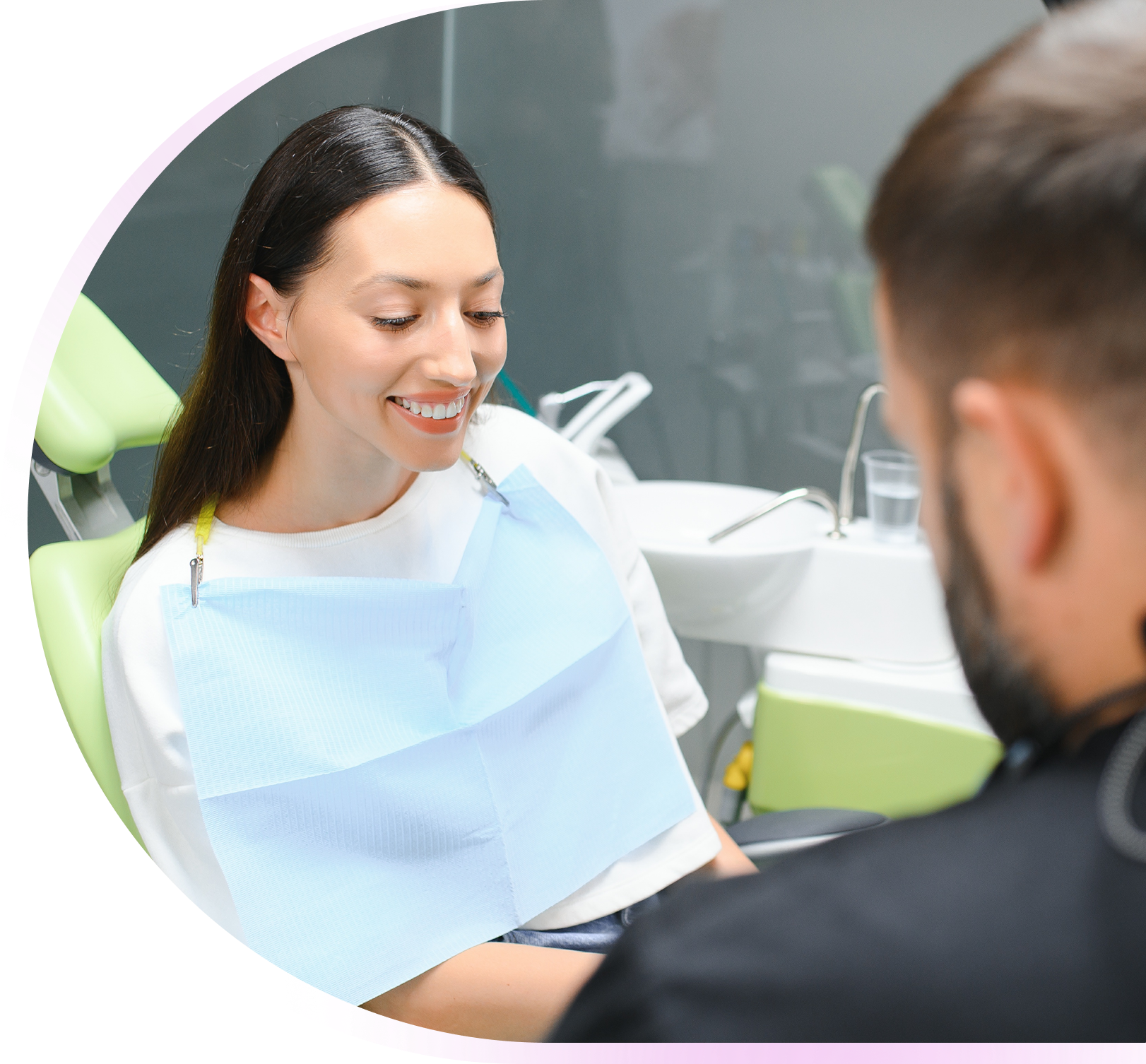
When Laser Root Canal Treatment May Be Recommended

Infected Tooth Pulp
When bacteria reach the soft tissue inside your tooth, an infection can develop, causing pain, swelling, or sensitivity. Laser-assisted treatment may help address this infection more thoroughly.

Cracked or Damaged Tooth
Cracks or chips in teeth can allow bacteria to enter the pulp chamber. Root canal treatment with laser assistance can help clean these areas and support the tooth's long-term function when appropriate.
Modern Dental Technology
Why Choose Us
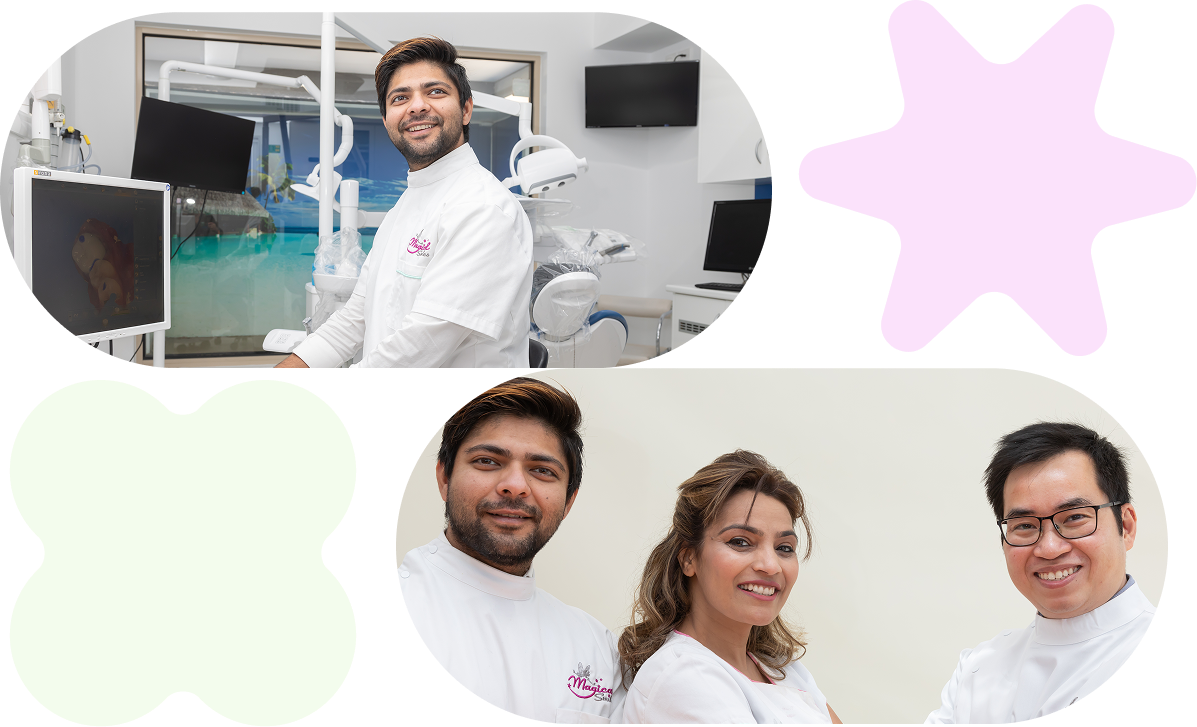
A Comfortable Approach to Treatment
Dental lasers work by targeting specific areas with focused light energy, which can help reduce the need for traditional cutting tools in some procedures. Laser dentistry can be particularly helpful for soft tissue procedures like gum contouring, managing gum disease, or addressing mouth sores.
While every case is different, many patients report feeling comfortable with laser treatment. However, individual recovery experiences vary depending on the procedure and your specific condition. We’ll always discuss what’s suitable for you and what you can realistically expect.
Targeted Precision for Focused Treatment
One of the key benefits of laser dentistry is how precise it can be. The laser targets only the affected area, which often helps preserve surrounding healthy tissue. This focused approach means we can address specific concerns while minimising impact on the rest of your mouth.
Whether it’s reshaping gum tissue or supporting healing after a procedure, the laser allows us to work with focused accuracy that may support your treatment goals. You’ll still receive a full explanation of your treatment beforehand, and we’ll answer any questions you have about how the laser works and what to expect.
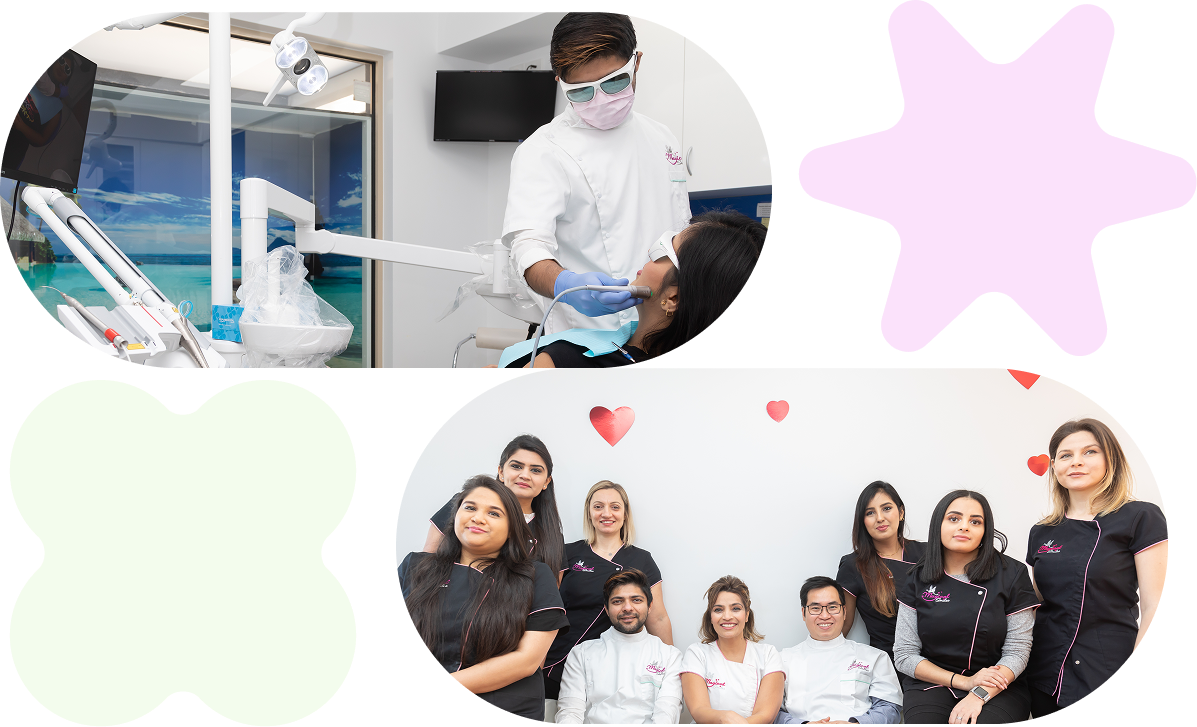
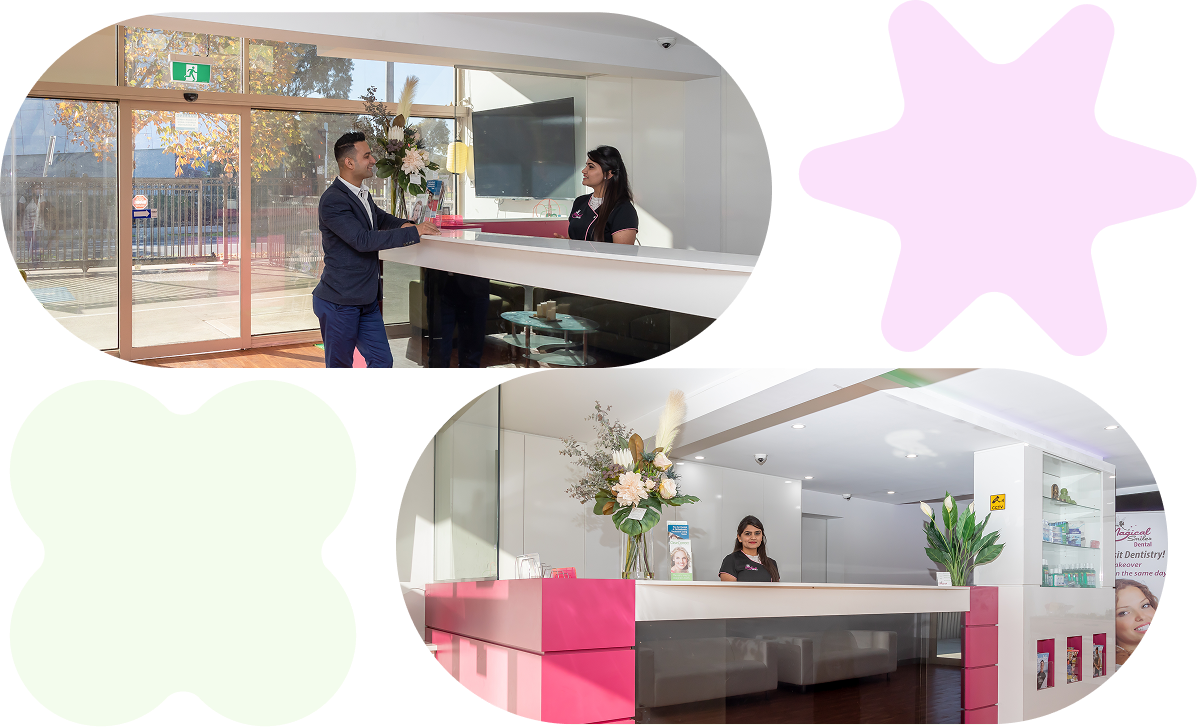
Clear Communication About Your Options
We know laser dentistry might be new to you, and it’s natural to have questions. Is it suitable for your condition? How does it feel? What’s the recovery like? We take time to walk you through these details before treatment begins, so you feel informed and comfortable with the approach.
Not every condition requires laser treatment—sometimes traditional methods are more appropriate. We’ll recommend appropriate treatments for your specific needs and explain why, giving you the full picture so you can make confident decisions about your care. Your comfort and understanding matter to us.
Learn if Laser Dentistry Is Right for You

Frequently Asked Questions
About Laser Root Canal Treatment
How much does a laser root canal treatment cost?
Laser root canal treatment in Caroline Springs typically costs $2,500 for most cases. The final fee may be higher or lower depending on factors such as which tooth requires treatment, the number of canals, the complexity of your case, and whether additional procedures are needed. Front teeth typically involve simpler canal systems, whilst molars have multiple canals and require more detailed treatment. During your consultation, your dentist will examine your tooth, review any necessary imaging, and provide a detailed cost breakdown specific to your situation.
We also offer payment plan options to help make treatment more manageable. The cost of laser root canal treatment in Caroline Springs will be discussed with you before any treatment proceeds. You’ll receive a written treatment plan outlining the total expected investment.
What are the common signs that I need a root canal treatment?
Knowing when to seek root canal treatment can help you address dental issues before they worsen. Several symptoms can indicate that root canal treatment may be necessary, including the following:
- Persistent tooth pain:
You might experience ongoing pain that worsens when you bite down or apply pressure to the affected area.
- Prolonged sensitivity:
Some people notice sensitivity to hot or cold temperatures that lingers for several minutes even after the stimulus is removed.
- Swelling or tenderness:
The gums near the affected tooth may become swollen, tender to touch, or develop a small bump that resembles a pimple.
- Tooth discolouration:
The tooth may appear darker or greyish compared to surrounding teeth, which can indicate pulp damage or infection inside.
- Pain when chewing:
Discomfort or sharp pain when eating or putting pressure on a specific tooth can signal that the inner pulp is compromised.
Some patients experience no symptoms at all, with infection discovered during routine dental examinations or X-rays. If you’re experiencing any of these signs, contact our clinic to arrange an examination. Early assessment can help determine the most appropriate course of action for your situation.
What should I expect during the laser root canal procedure?
A laser root canal procedure in Caroline Springs typically begins with a local anaesthetic to numb the treatment area. Your dentist will place a protective barrier called a rubber dam around the tooth to keep it clean and dry during the procedure. They’ll then create an opening in the tooth’s crown to access the pulp chamber and root canals.
Your dentist will use small instruments to remove the infected or damaged pulp tissue from inside the tooth. The Fotona LightWalker laser assists in this process by disinfecting the canal walls and removing bacteria from areas that may be difficult to reach with instruments alone.
After thorough cleaning and shaping, your dentist will fill the canals with a biocompatible material and seal the access opening. In many cases, a temporary filling is placed first, with a new restoration completed at a follow-up appointment. The procedure duration varies depending on which tooth is being addressed and how many canals it contains.
What should I expect after the laser root canal treatment?
Root canal treatment recovery typically involves some mild discomfort for the first few days as your tooth and surrounding tissues heal. You may notice sensitivity when biting down or some tenderness in the area where treatment was performed. This is a normal part of the healing process and usually improves within a few days to a week.
Your dentist may recommend over-the-counter pain relief to help manage any discomfort during recovery. It’s important to follow any specific root canal treatment discomfort management instructions provided. This may include avoiding chewing on the tooth until the new restoration is in place.
Most patients can return to their normal activities the day after treatment. If you experience severe pain, significant swelling, or worsening symptoms, contact our clinic so we can assess your recovery progress.
Is the laser-assisted root canal treatment painful?
Root canal treatment discomfort management begins with an effective local anaesthetic, which numbs the treatment area before the procedure starts. Most patients report feeling little to no pain during treatment. You may feel some pressure or vibration as your dentist works, but the anaesthetic should prevent sharp or intense pain.
The laser component of treatment may actually help reduce post-procedure discomfort for some patients. The laser technology is designed to target infected tissue while working to preserve healthy tooth structure where possible. Your dentist will discuss pain management options before treatment and provide guidance on managing any discomfort during recovery. If you have concerns about dental anxiety or sensitivity, let us know during your consultation so we can discuss approaches to help you feel more at ease.
How long does the laser procedure take?
The duration of laser root canal treatment varies depending on which tooth requires treatment and how complex its canal system is. Front teeth, which typically have one canal, may take 45 to 60 minutes. Premolars and molars, with their multiple canals and more intricate anatomy, often require 90 minutes or longer. Severely infected teeth or those with curved or narrow canals may need additional time for thorough cleaning and disinfection.
Some cases require treatment over two appointments. During the first visit, your dentist will clean and disinfect the canals, then place a temporary filling to allow the tooth to settle. The second appointment involves final filling of the canals and placement of a new restoration. Your dentist will discuss the expected timeline for your specific case during your consultation, taking into account the tooth’s condition and your treatment goals.
What are the benefits of laser root canal treatment?
Laser technology can enhance traditional root canal techniques in several ways. Laser root canal treatment benefits may include the following advantages:
- Additional disinfection approach:
The laser energy can help reach areas within the complex canal anatomy that may be challenging for instruments alone to access. This additional approach is designed to support bacterial reduction, though outcomes depend on individual case factors, including canal anatomy, infection extent, and tooth condition.
- Precise tissue removal:
The focused laser beam allows for controlled removal of infected tissue whilst preserving healthy tooth structure where possible.
- Potentially shorter treatment time:
The laser can disinfect canal walls quickly, potentially reducing overall procedure duration in some cases.
- Thorough canal preparation:
Laser technology helps clean irregular canal shapes and accessory canals that traditional instruments alone may not reach as effectively.
When comparing laser vs traditional root canal therapy, it’s important to note that both approaches can achieve successful outcomes. The laser serves as an additional tool that may enhance certain aspects of treatment rather than replacing traditional techniques entirely. Your dentist will assess whether laser assistance would be beneficial for your specific situation based on the tooth’s condition and location.
What are the risks or side effects of laser root canal treatment?
Like any dental procedure, root canal treatment carries some risks, though serious complications are uncommon. Risks and side effects include the following:
- Temporary sensitivity:
You may experience sensitivity or discomfort after treatment as your tooth and surrounding tissues heal, which typically improves within a few days to a week.
- Post-treatment swelling:
Minor swelling or tenderness in the gums near the tooth that received treatment can occur during the healing period, but usually subsides on its own.
- Instrument separation:
In rare cases, a small instrument used during the procedure can become separated inside the canal, requiring additional steps to address.
- Persistent infection:
Not all infected tissue may be removed despite thorough cleaning, potentially causing an ongoing infection requiring retreatment or further intervention.
- Tooth discomfort when biting:
Some patients experience tenderness when applying pressure to the tooth during the initial healing phase, though this typically improves as healing progresses.
When comparing laser vs traditional root canal therapy regarding risks, both approaches carry similar considerations. The laser itself adds minimal additional risk when used by appropriately trained dentists. Your dentist will discuss all risks specific to your case during your consultation, along with the steps taken to minimise them. If you have any concerns about potential complications, please raise them during your appointment so they can be addressed before treatment proceeds.