


Tooth Replacement Option
Dentures in Caroline Springs for
Missing Teeth
Tooth Replacement Explained
Dentures Designed to Replace Missing Teeth and Support Function
Missing teeth can affect how you eat, speak, and feel about your appearance. Everyday activities like chewing food or smiling in photos may become challenging. Over time, gaps can contribute to the shifting of remaining teeth.
Dentures are custom-made prosthetic devices designed to replace missing teeth and surrounding tissue. A dentist providing dentures in Caroline Springs can assess your oral health and discuss whether this option may suit you. Dentures can help restore chewing function, support facial structure, and improve speech clarity.
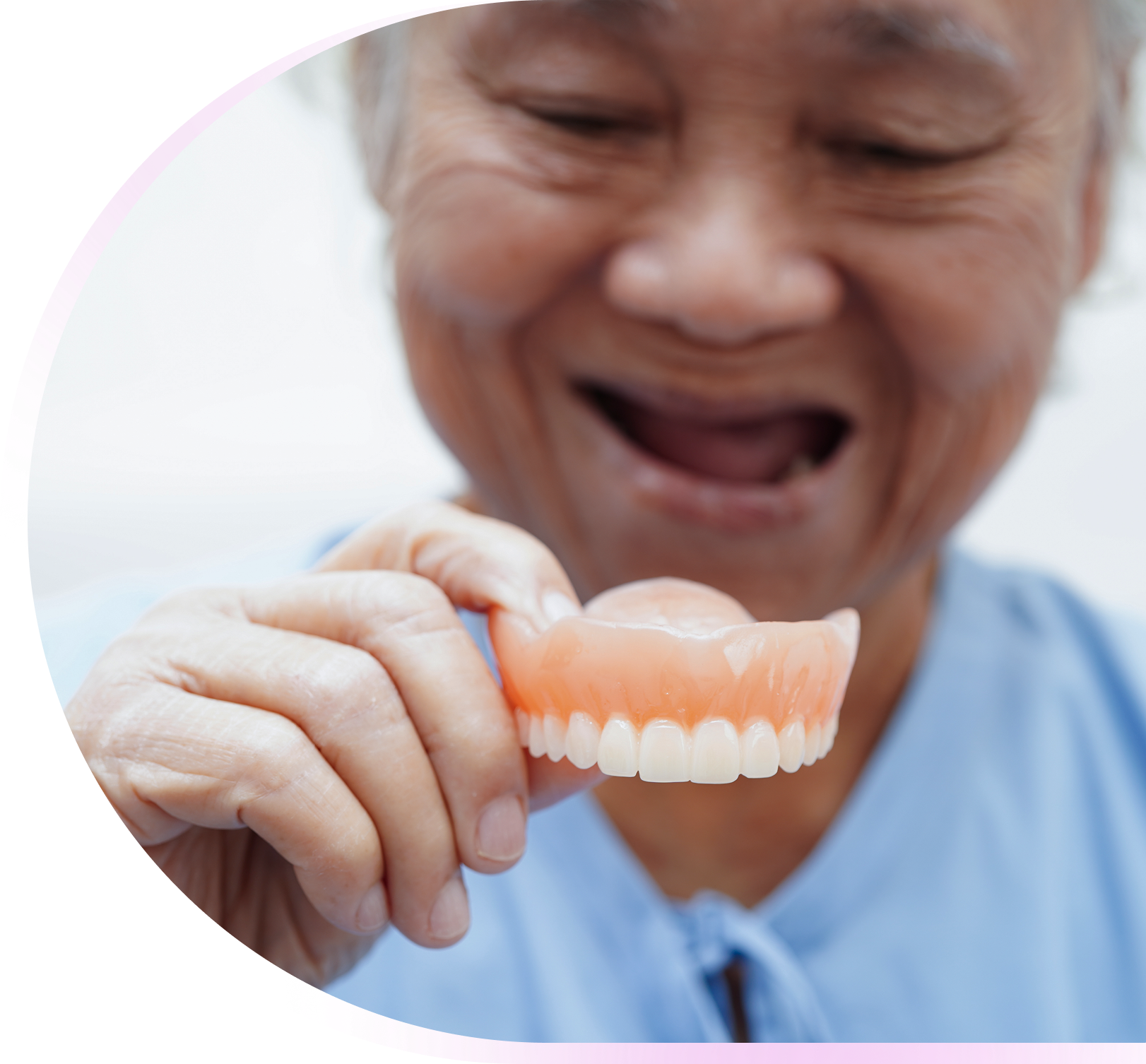
Different Types Of Dentures
Several denture types are available, each designed for different levels of tooth loss and lifestyle needs. Your dentist can help you understand which option may suit your circumstances.

Full Dentures
Full dentures in Caroline Springs replace all teeth on the upper or lower arch. They rest on the gums and are held in place by suction or denture adhesive.

Partial Dentures
Partial dentures in Caroline Springs are designed for patients with some natural teeth remaining. They attach to existing teeth using clasps and fill the gaps where teeth are missing.

Immediate Dentures
Immediate dentures are placed on the same day as tooth extraction. They allow you to have teeth while your gums heal, though adjustments may be needed as tissues settle over time.

Implant-Supported Dentures
Implant-supported dentures attach to dental implants surgically placed in the jawbone. They may offer greater stability than conventional dentures and may help reduce bone loss over time.
Your Caroline Springs Dentist
Why Choose Us
Choosing a dentist is personal; it’s about finding someone who listens and takes time to understand your needs. At Magical Smiles Caroline Springs, we’ve built our clinic around that simple idea. We’re here to support your oral health with care that feels right for you.
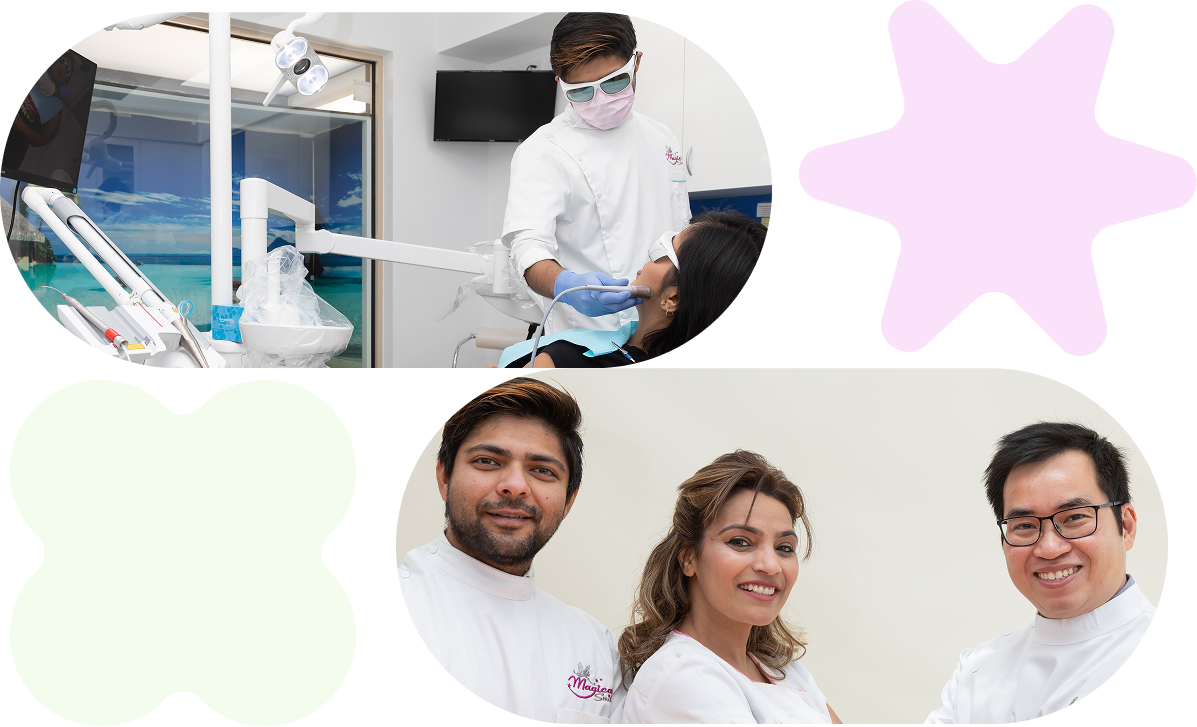
Patient-Focused Family Care
We know that every family member has different needs—from your toddler’s first visit to your teenager’s braces to Mum and Dad’s regular check-ups. That’s why our team takes time to get to know you and what matters to your family’s oral health.
Whether it’s calming a nervous child or helping an adult who hasn’t been to the dentist in years, we approach every appointment with patience and understanding. We take time with each patient and aim to create a welcoming environment.
Modern Dentistry with Comfort in Mind
Our Caroline Springs clinic is equipped with modern dental technology to support treatment precision and patient comfort. From digital imaging, which typically involves lower radiation than traditional X-rays, to laser dentistry that can help minimise discomfort during certain procedures, we use tools that support your wellbeing.
But technology is only part of the story. What really matters is how we use it: with care, skill, and your comfort as a priority. We’ll explain the process, check in with you during treatment, and aim to provide support throughout your care.
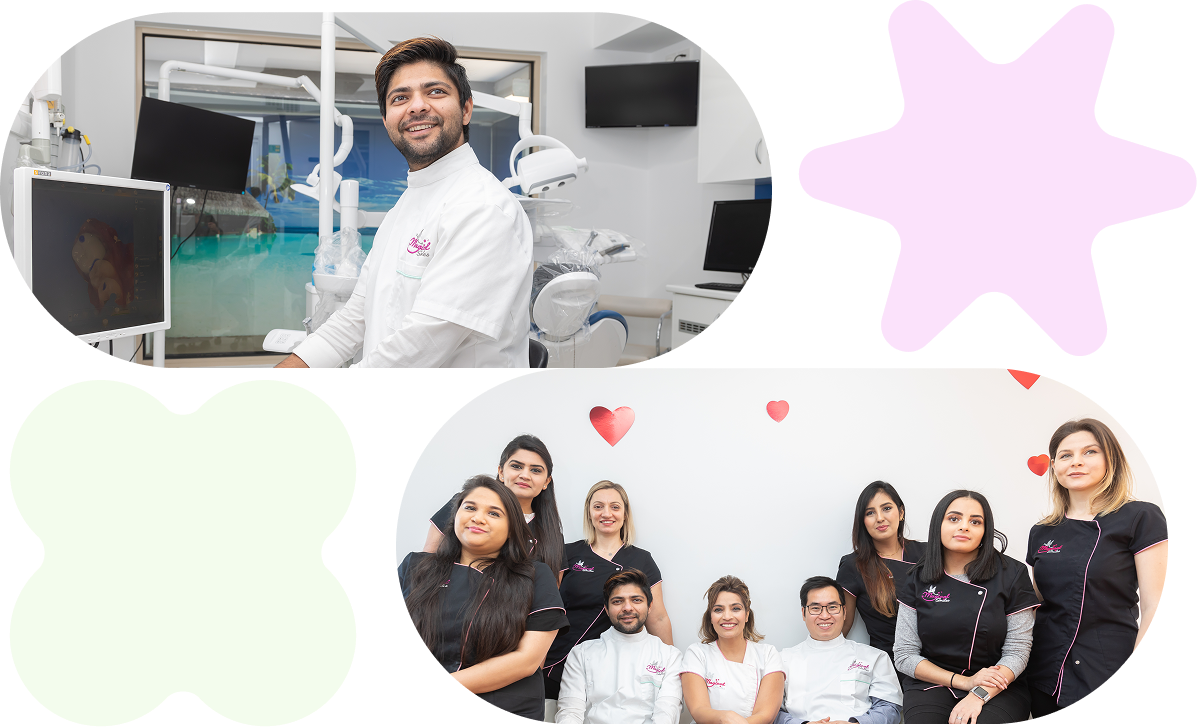

Transparent Communication and Clear Pricing
We provide treatment information and recommendations without pressure. We believe in giving you the accurate information you need—the options available, what each involves, and what you can expect—so you can make decisions that feel right for you and your budget.
Before any treatment begins, we’ll talk through the costs clearly and up front. We also offer flexible payment plans and other options to help make dental care more manageable. Your oral health matters, and we’ll work with you to find an approach that fits your circumstances.
Start Your Dental Care Journey With Us
Looking for a general dentist in Caroline Springs? Book an appointment to learn more about preventive and routine dental care that may help maintain your oral health over the long term.

Frequently Asked Questions
Your Denture Questions Answered
What is the cost of dentures?
The denture cost in Caroline Springs varies depending on the type of denture, the materials used, and individual clinical needs.
Immediate dentures generally start at approximately $1,250. Full or partial metallic dentures can cost $2,500 or more. Additional fees may apply for optional strengthening or added components.
Several factors may influence your final cost:
- Number of teeth:
More teeth being replaced generally means higher overall costs. - Material selection:
Metallic frameworks cost more than acrylic but may offer greater durability. - Case complexity:
Conditions like bone loss or gum disease may require additional procedures before dentures can be fitted. - Relines and adjustments:
These may be needed over time as your gum ridges and oral cavity change shape. - Laboratory fees:
Fabrication requests can affect pricing based on the level of customisation required. - Additional strengthening:
Cobalt-chrome or stainless-steel reinforcement adds to the base cost.
A consultation is required to provide an accurate estimate based on your individual circumstances.
Who is a good candidate for dentures?
Dentures may be suitable for many adults with missing teeth. Your dentist will assess your oral health to determine whether dentures are an appropriate option for you.
Potential candidates may include those who meet the following criteria:
- Multiple missing teeth:
The person has lost several teeth or all teeth in one or both arches. - Non-surgical preference:
The person seeks a tooth replacement option that does not require surgery. - Healthy gum tissue:
The person has gums that can adequately support the denture base. - Commitment to care:
The person is willing to follow proper denture care and maintenance routines. - Implant unsuitability:
The person may be unsuitable for dental implants due to health concerns or low bone density. - Functional goals:
The person wants to restore chewing function and improve speech clarity.
Certain factors may require additional consideration before proceeding:
- Gum disease:
Active gum disease should be addressed before dentures are fitted. - Bone loss:
Significant bone loss may affect the fit and stability of conventional dentures. - Medical conditions:
Some health conditions may influence healing and overall suitability for dentures.
Your dentist can discuss your specific situation during a consultation.
What are the alternatives to dentures?
If dentures are not a good fit for you, other tooth-replacement options are available. Your dentist can help you understand which may be appropriate for your situation.
- Dental implants:
These are titanium posts surgically placed in the jawbone that support individual crowns, bridges, or implant-retained dentures. They require adequate bone density and involve a surgical procedure. - Dental bridges:
These are fixed prosthetics that attach to adjacent natural teeth to fill gaps. They require healthy neighbouring teeth to serve as anchors for support. - Implant-supported dentures:
This is a hybrid option in which dentures clip onto implants for added stability. It combines features of both implants and traditional dentures. - Resin-bonded bridges:
Also called Maryland bridges, these attach to adjacent teeth with minimal preparation. They may be suitable in certain cases where a less invasive treatment is preferred.
Each option has different requirements, costs, and maintenance needs. A consultation can help determine which approach may work for your circumstances.
Do health funds cover denture costs?
Medicare does not cover dentures in Australia. However, if you have a private health fund policy with an ancillary component, you may be eligible to claim a portion of denture costs.
The amount you can claim depends on your specific policy and level of cover. Dentures are generally classified under “major dental” in ancillary policies. Benefits vary significantly across funds and policies, so it’s important to check directly with your fund before proceeding.
Key points to consider:
- Annual limits:
These apply to how much you can claim each year from your fund. - Waiting periods:
These may apply for major dental services, often up to 12 months for new members. - Preferred providers:
Some funds have provider networks that may affect your claim amount. - Out-of-pocket costs:
These will vary depending on your policy’s percentage-back rate or fixed-dollar benefit structure.
We recommend contacting your health fund to confirm your entitlements before your consultation. Our team can provide item numbers to help you obtain an accurate estimate from your fund.
How long do dentures last?
According to a 2021 systematic review published in the Journal of Prosthetic Dentistry (Taylor et al.), complete dentures have an average longevity of approximately 10 years.
General timeframes include:
- Full conventional dentures:
Research suggests these may last around 8 to 10 years on average with proper care. Upper (maxillary) dentures tend to last longer than lower (mandibular) dentures due to greater stability and retention.
- Partial dentures:
Partial dentures in Caroline Springs may last 5 to 10 years with proper care, depending on the health of the supporting teeth.
- Acrylic dentures:
These generally last five to seven years before replacement may be needed.
- Metal-framed dentures:
The frameworks may last 15 to 20 years. However, the acrylic components may need to be replaced sooner.
Several factors affect denture longevity:
- Cleaning habits:
Daily cleaning and maintenance are essential for the longevity of dentures.
- Tissue changes:
Over time, changes in jawbone and gum tissue can affect the fit and function of the denture.
- Daily wear:
Chewing and regular use gradually affect the denture surface.
- Accidental damage:
Dropping dentures can chip, crack or break the materials.
- Fabrication quality:
Material quality and craftsmanship affect overall durability.
Regular dental check-ups allow your dentist to assess your fit and condition. Relines or adjustments may be needed as your mouth changes shape over time.
Dental Implants or Dentures: Which one should I get?
The choice between dental implants and dentures in Caroline Springs depends on several individual factors. Neither option is universally suitable for everyone. Your dentist can help you weigh the considerations based on your circumstances.
Dentures may be more suitable when:
- Non-surgical preference:
You prefer a tooth replacement option that does not require invasive procedures.
- Multiple missing teeth:
You have several missing teeth across an arch and need comprehensive replacement.
- Budget considerations:
Dentures have lower upfront costs compared to implants.
- Health limitations:
Bone density or medical conditions make implant surgery unsuitable for your situation.
- Removability:
You want a prosthetic that can be taken out for cleaning and overnight rest.
Dental implants may be more suitable when:
- Fixed replacement:
You want a tooth replacement that stays in place without being taken out.
- Adequate bone:
You have sufficient jawbone density to support implants, or you are willing to undergo bone grafting.
- Good health:
You are in overall good health and do not smoke, as smoking can affect healing.
- Bone preservation:
You prefer an option that may help maintain jawbone structure over time.
- Long-term value:
Implants may last longer than dentures with proper care.
Key differences to consider:
| Factor | Dentures | Dental Implants |
| Surgery required | No (for conventional) | Yes |
| Upfront cost | Lower | Higher |
| Lifespan | Approximately 8-10 years on average | May last 15+ years with care |
| Bone preservation | Does not prevent bone loss | May help maintain bone |
| Maintenance | Daily cleaning when taken out | Brush like natural teeth |
A consultation can help determine which option aligns with your oral health, lifestyle, and goals.
Is it painful to get dentures?
Getting dentures requires several appointments, and most patients experience only mild discomfort. The level of discomfort varies depending on individual circumstances.
If teeth need to be extracted before dentures are fitted, you may experience some soreness and swelling during the healing period. Your dentist will provide guidance on managing discomfort during recovery. Over-the-counter pain relief may help with any post-extraction tenderness.
When wearing new dentures, an adjustment period is common. Your gums and mouth need time to adapt to the new appliance. Initial soreness or irritation is normal and usually improves as your mouth adjusts over time. If discomfort persists, adjustments can be made to improve the fit.
Immediate dentures may require more frequent adjustments as your gums heal and change shape following extractions.
How to care for your dentures?
Proper care helps maintain your dentures and supports your oral health. Following a regular cleaning routine can help extend the lifespan of your dentures. Our denture services in Caroline Springs include guidance on proper care techniques.
Daily care recommendations include:
- Take out for cleaning:
This lets you thoroughly clean both your dentures and your mouth.
- Rinse after eating:
This helps dislodge food particles and debris from the denture surface.
- Brush daily:
Use a soft-bristled brush and non-abrasive denture cleanser, as regular toothpaste may be too abrasive.
- Clean your mouth:
Brush your gums, tongue, and any remaining natural teeth with a soft toothbrush.
- Soak overnight:
Place dentures in water or a denture-soaking product to keep them moist and help maintain their shape.
- Rinse before wearing:
If you have used a soaking product, rinse dentures thoroughly to wash away all residue.
- Handle with care:
Clean dentures over a folded towel or basin of water to prevent damage if dropped.
Avoid using hot water, as it may warp the denture material. Do not attempt to adjust dentures yourself; doing so may cause damage.
How often should I visit my dentist if I have dentures?
Regular dental visits remain important even with full dentures. Most dentists recommend check-ups every 6 to 12 months, though individual needs may vary based on your oral health.
During these appointments, your dentist can assess the fit of your dentures, check for signs of wear, and examine your oral tissues for any concerns. Even without natural teeth, regular examinations help monitor gum health and detect any changes early.
Your gums and jawbone change shape over time, which can affect how your dentures fit. Regular visits allow your dentist to recommend relines or adjustments when needed. Ill-fitting dentures can cause discomfort, sore spots, and difficulty eating or speaking.
If you experience persistent soreness, loosening, or changes in fit between appointments, contact your dentist sooner rather than waiting for your scheduled visit.
What can I eat after getting dentures?
Adjusting to eating with new dentures takes time and patience. Most people find they can gradually return to eating a varied diet as they become accustomed to their dentures in Caroline Springs.
During the initial adjustment period, consider these suggestions:
Start with soft foods during the first few days. Options such as mashed vegetables, scrambled eggs, yoghurt, soups, and soft fish are easier to manage as you adapt to your new dentures.
As comfort improves, gradually introduce firmer foods into your diet. Cut food into small pieces and chew slowly, using both sides of your mouth to distribute pressure evenly across the denture.
With time and continued use, most denture wearers find they can enjoy a wide variety of foods. However, some foods may still require caution or modifications in their preparation and consumption.
What should I avoid eating after getting dentures?
Certain foods may pose challenges for denture wearers and are worth approaching with caution:
- Sticky foods:
Caramels, toffee, and chewy lollies can dislodge dentures or adhere to them, making them difficult to clean.
- Hard foods:
Nuts, hard candies, raw carrots, and crusty bread can put excessive pressure on dentures, increasing the risk of cracks or breaks.
- Tough meats:
Chewy or fibrous meats can be difficult to manage and may require cutting into small pieces before eating.
- Small seeds and grains:
Popcorn kernels, sesame seeds, and poppy seeds can become trapped under dentures, causing irritation to gum tissue.
- Foods requiring front teeth:
Apples, corn on the cob, and crusty rolls can dislodge dentures when bitten directly, so cutting these into smaller pieces is recommended.
- Very hot foods and beverages:
Dentures can insulate the palate, making it harder to gauge temperature accurately; test temperatures carefully.
With proper technique and care, most denture wearers learn to adapt their eating habits over time.
How do I clean my dentures?
Cleaning your dentures daily helps maintain oral hygiene and extends the life of your prosthetics. Follow these steps for effective denture care:
- Prepare your area:
Fill a basin with water or place a folded towel in the sink to cushion dentures if they are accidentally dropped.
- Rinse after eating:
Take out dentures and rinse them under running water to dislodge loose food particles from all surfaces.
- Apply cleanser:
Use a non-abrasive denture cleanser, avoiding regular toothpaste, bleach, or household cleaners, as these can damage denture materials.
- Brush all surfaces:
Use a soft-bristled denture brush to clean the teeth, the base, and the clasps, if your denture has them.
- Rinse thoroughly:
Rinse dentures under running water to wash away all cleanser residue before wearing or soaking them.
- Soak overnight:
Place dentures in plain water or a denture-soaking product while you sleep to help maintain moisture and shape.
- Rinse before wearing:
Rinse dentures again in the morning, especially if you have used a soaking product overnight.
Never use hot or boiling water, as this can warp denture materials. If you notice stains, damage, or persistent odour, consult your dentist for advice.
How do I clean my dentures?
Cleaning your dentures daily helps maintain oral hygiene and extends the life of your prosthetics. Follow these steps for effective denture care:
- Prepare your area:
Fill a basin with water or place a folded towel in the sink to cushion dentures if they are accidentally dropped.
- Rinse after eating:
Take out dentures and rinse them under running water to dislodge loose food particles from all surfaces.
- Apply cleanser:
Use a non-abrasive denture cleanser, avoiding regular toothpaste, bleach, or household cleaners, as these can damage denture materials.
- Brush all surfaces:
Use a soft-bristled denture brush to clean the teeth, the base, and the clasps, if your denture has them.
- Rinse thoroughly:
Rinse dentures under running water to wash away all cleanser residue before wearing or soaking them.
- Soak overnight:
Place dentures in plain water or a denture-soaking product while you sleep to help maintain moisture and shape.
- Rinse before wearing:
Rinse dentures again in the morning, especially if you have used a soaking product overnight.
Never use hot or boiling water, as this can warp denture materials. If you notice stains, damage, or persistent odour, consult your dentist for advice.