


Local Caroline Springs Care
Dental Fillings in Caroline Springs for All Ages
About Dental Fillings
How They May Help Address Tooth Damage
Tooth decay occurs when bacteria in the mouth produce acids that break down tooth enamel. Over time, this process can create cavities—small holes in the tooth surface that may worsen without assessment.
Getting your teeth checked regularly matters because decay can spread to deeper tooth layers. Early assessment allows your dentist to identify concerns before they may progress. Dental fillings are designed to help address decay by filling cavities and may help restore tooth function. Individual results vary. Consultation is required to assess suitability.
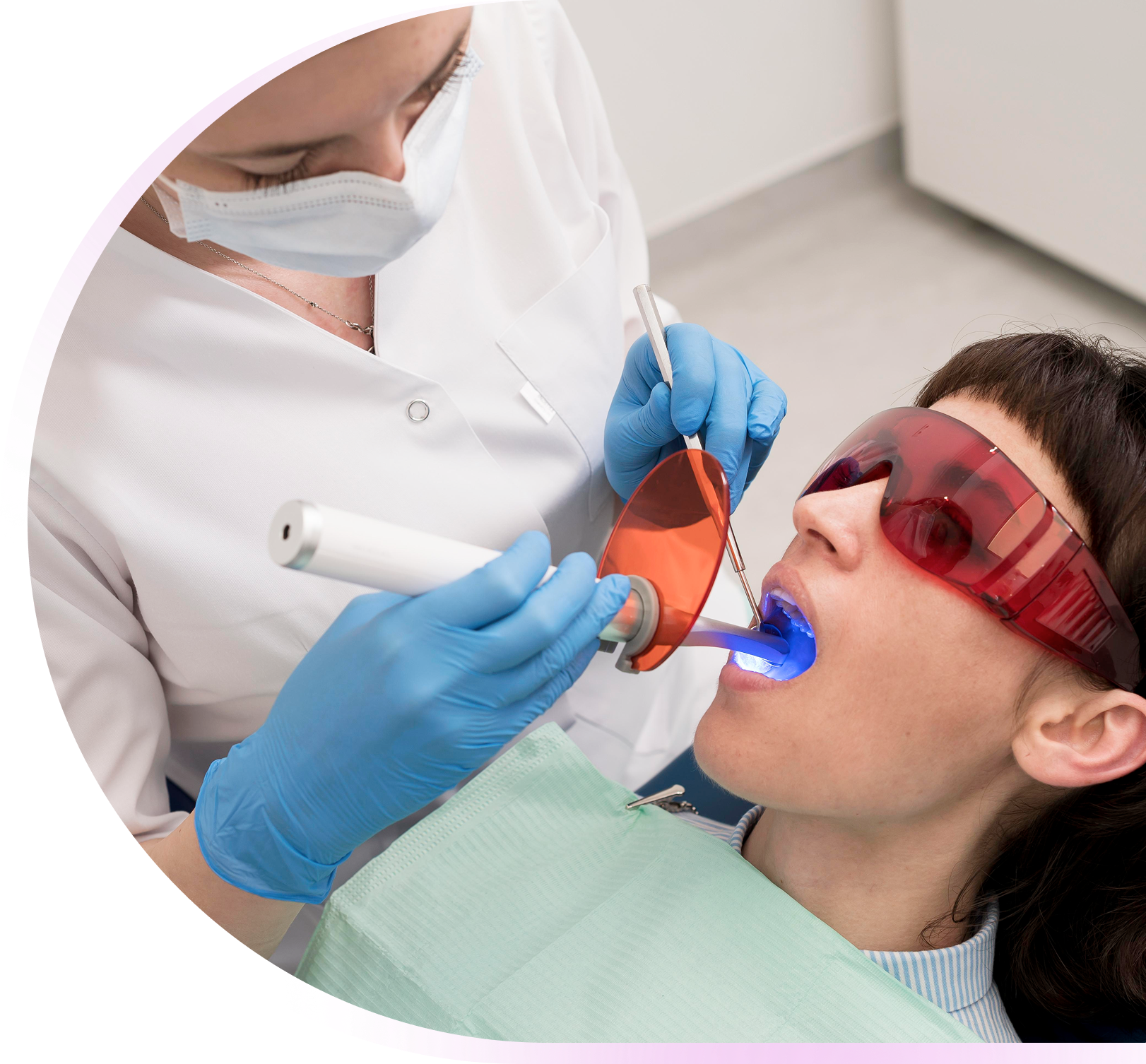
When to Consider Dental Fillings for Your Teeth

Tooth Pain
Persistent aching or sharp discomfort may suggest decay has reached sensitive layers. Tooth fillings in Caroline Springs can help address this concern after assessment.

Chewing Discomfort
Difficulty or discomfort when biting down on food may indicate structural damage to a tooth. Your dentist can assess whether decay is the underlying cause.

Rough Surfaces
Running your tongue over a tooth and feeling rough, uneven edges may suggest enamel breakdown. This texture change often warrants a professional examination. .

Floss Catching
Dental floss that snags or tears between certain teeth may indicate a cavity has formed. These catches can happen where decay has created irregular tooth surfaces. .

Food Trapping
Noticing food particles repeatedly getting stuck in the same spot may signal a cavity. Decay creates small gaps where debris can accumulate after meals

Tooth Discolouration
Dark spots, brown patches, or white chalky areas on tooth surfaces can indicate demineralisation or decay. A check-up can help determine the cause of these changes.

Tooth Sensitivity
Experiencing discomfort when consuming hot, cold, or sweet items may suggest enamel wear or decay. Sensitivity that persists warrants professional evaluation to identify the source.
Your Caroline Springs Dentist
Why Choose Us
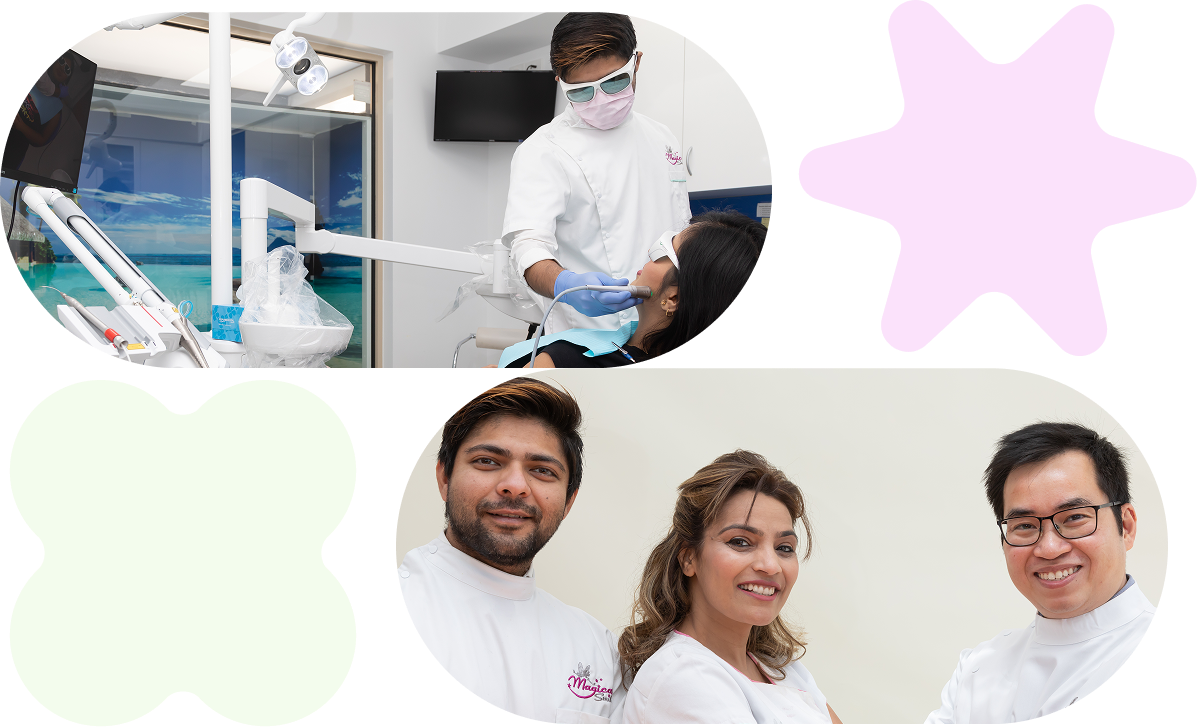
Patient-Focused Family Care
We know that every family member has different needs—from your toddler’s first visit to your teenager’s braces to Mum and Dad’s regular check-ups. That’s why our team takes time to get to know you and what matters to your family’s oral health.
Whether it’s calming a nervous child or helping an adult who hasn’t been to the dentist in years, we approach every appointment with patience and understanding. We take time with each patient and aim to create a welcoming environment.
Modern Dentistry with Comfort in Mind
Our Caroline Springs clinic is equipped with modern dental technology to support treatment precision and patient comfort. From digital imaging, which typically involves lower radiation than traditional X-rays, to laser dentistry that can help minimise discomfort during certain procedures, we use tools that support your wellbeing.
But technology is only part of the story. What really matters is how we use it: with care, skill, and your comfort as a priority. We’ll explain the process, check in with you during treatment, and aim to provide support throughout your care.


Transparent Communication and Clear Pricing
We provide treatment information and recommendations without pressure. We believe in giving you the accurate information you need—the options available, what each involves, and what you can expect—so you can make decisions that feel right for you and your budget.
Before any treatment begins, we’ll talk through the costs clearly and up front. We also offer flexible payment plans and other options to help make dental care more manageable. Your oral health matters, and we’ll work with you to find an approach that fits your circumstances.
Start Your Dental Care Journey With Us

Frequently Asked Questions
Common Questions About Dental Fillings
What are the different types of dental fillings?
Several filling materials are available, each with different properties suited to various situations. Your dentist will recommend the most appropriate option based on the location and extent of decay.
- Composite resin (tooth-coloured) fillings:
These fillings are made from a mixture of plastic and glass particles. They blend with natural tooth colour and are commonly used for visible teeth. Composite fillings bond directly to the tooth structure and may be suitable when only the outer enamel layer is affected.
- Porcelain (ceramic) fillings:
Also called inlays or onlays, porcelain fillings are custom-made in a dental laboratory or using CEREC technology. They offer durability and natural appearance. These restorations may be recommended when decay extends deeper into the tooth or when a larger restoration is needed.
- Glass ionomer cement fillings:
These fillings release fluoride, which may help protect against further decay. They are often used for children’s teeth or in areas not subject to heavy chewing pressure. Glass ionomer tends to be less durable than composite or porcelain options.
- Amalgam (silver) fillings:
Made from a mixture of metals including silver, tin, and copper, amalgam fillings have been used for decades. While durable, they are more visible than tooth-coloured alternatives. Some patients prefer metal-free options for aesthetic reasons.
The team at Magical Smiles offers metal-free filling options, including composite resin, porcelain, and hybrid materials. When exploring dental fillings that Caroline Springs patients can choose from, your dentist will discuss which material may be most appropriate for your specific needs during your consultation.
How much do fillings cost?
The dental filling cost Caroline Springs patients can expect ranges from approximately $250 to $450 per tooth. This estimate is provided by the clinic and may vary based on individual circumstances.
Several factors can influence the final cost of your filling:
- Size of the cavity:
Larger cavities require more filling material and additional time to complete, which may increase the cost.
- Location of the tooth:
Fillings on back teeth (molars) can be more complex due to their position and chewing function compared to front teeth.
- Type of material used:
Different filling materials have varying costs. Porcelain and ceramic options are generally more expensive than composite resin.
- Number of tooth surfaces affected:
A filling that covers multiple surfaces of a tooth requires more material and work than a single-surface filling.
- Complexity of the procedure:
Teeth with deep decay or those requiring additional preparation may involve more chair time and clinical attention.
Magical Smiles offers flexible payment options for dental fillings to help make your dental care more manageable. Ask our team about payment plans during your visit.
Does Medicare & health fund cover the cost of filling?
Medicare does not typically cover general dental services for adults, including fillings. However, children aged 0 to 17 years may be eligible for the Child Dental Benefits Schedule (CDBS).
The CDBS provides up to $1,132 in benefits over two consecutive calendar years for eligible children. Covered services include examinations, cleaning, fissure sealing, fillings, root canal treatment, and extractions. To qualify, your child must be eligible for Medicare, and your family must receive certain Australian Government payments such as Family Tax Benefit Part A.
If you have a private health fund membership with dental cover, a portion of your filling cost may be claimable depending on your level of cover and waiting periods.
Each health fund has different benefit structures, so we recommend checking with your provider before your appointment. Our team can process your health fund claim on the spot using HICAPS.
What should I expect during a dental filling procedure?
Understanding what happens during a filling appointment can help you feel more at ease. Here is a general overview of the process:
- Numbing the area:
Your dentist may apply a topical gel to the gum before administering a local anaesthetic. This helps minimise discomfort during the injection. For small, shallow cavities affecting only the enamel surface, anaesthetic may not always be required.
- Removing the decay:
Once the area is numb, your dentist uses a drill, laser, or air abrasion instrument to carefully remove the decayed portion of the tooth. The goal is to preserve as much healthy tooth structure as possible.
- Preparing the tooth:
After decay removal, the cavity is cleaned of bacteria and debris. Your dentist shapes the space to help the filling material bond effectively.
- Placing the filling:
The chosen filling material is applied in layers. For composite fillings, each layer is hardened using a curing light. The material is moulded to match your tooth’s natural contours.
- Adjusting the bite:
Once the filling is placed, your dentist checks your bite so that the filled tooth meets the opposing teeth correctly. Adjustments are made as needed for comfort.
- Polishing:
The final step involves smoothing and polishing the filling surface. This helps create a natural feel and appearance.
The entire procedure for a single filling commonly takes between 20 and 40 minutes, depending on the size and location of the cavity.
What should I expect after the dental filling procedure?
After your filling appointment, there are several things to keep in mind as the anaesthetic wears off and your tooth settles.
- Numbness duration:
Local anaesthetic effects commonly last one to three hours after the procedure. Avoid chewing on the numb side until sensation returns to prevent accidental bites to the cheek or tongue.
- Initial sensitivity:
Some tooth sensitivity to hot, cold, or pressure is common in the days following a filling. This usually subsides within one to two weeks as the tooth adjusts. - Eating and drinking:
You may resume once numbness has worn off. If you received a composite filling, it is fully set before you leave the appointment. For other materials, your dentist will advise if any waiting period applies.
- Oral hygiene:
Continue brushing and flossing as normal. Maintaining good oral hygiene helps protect the filled tooth and surrounding teeth from future decay.
- Bite adjustment:
If your bite feels uneven after the numbness subsides, contact your dentist. A simple adjustment can help with comfortable chewing.
- When to seek advice:
Contact your dental team if you experience persistent pain, sensitivity lasting more than two weeks, or if you notice the filling feels loose or has sharp edges.
Following your dentist’s aftercare instructions supports the longevity of your restoration. For tooth fillings in Caroline Springs, patients can contact Magical Smiles with any questions during their recovery.
What are the alternatives to dental fillings?
Depending on the severity and location of tooth decay, your dentist may recommend alternatives to traditional fillings. For tooth cavity treatment in Caroline Springs, residents may consider several options based on their specific situation.
- Fluoride application:
For very early-stage decay, when enamel shows signs of demineralisation but no cavity has formed, professional fluoride application may help strengthen the tooth surface. This approach aims to halt progression before a filling becomes necessary.
- Dental crowns:
When decay is extensive or a tooth is weakened, a crown may be more appropriate than a filling. Crowns cover the entire visible portion of the tooth, providing structural support and protection. They are custom-made to match your natural teeth.
- Root canal therapy:
If decay has progressed into the tooth’s pulp, causing infection or significant damage, it may be recommended. This procedure clears the infected pulp, cleans the canal, and seals the tooth. A crown is often placed afterwards for protection.
- Tooth extraction:
When decay is too severe for restoration, extraction may be the recommended option. While preserving natural teeth is generally the goal, extracting a non-restorable tooth can protect surrounding teeth and overall oral health.
Your dentist at Magical Smiles will assess your specific situation and discuss which approach may be most suitable. A consultation helps determine the appropriate treatment pathway for your individual needs.
How long do dental fillings last?
Dental fillings can last between 5 and 10 years or longer with proper care. However, longevity varies based on several factors. According to research published in Dental Materials, the lifespan of composite restorations depends on multiple variables beyond just the material used.
Factors that may affect how long your filling lasts include:
- Filling material:
Different materials have varying durability. Conventional composites demonstrate greater than 90% survival at five years when proper bonding techniques are used.
- Size and location:
Larger fillings and those on back teeth that bear heavy chewing forces may experience more wear over time compared to smaller fillings on front teeth.
- Oral hygiene habits:
Regular brushing, flossing, and dental check-ups help protect filled teeth from developing new decay around the restoration margins.
- Diet:
Frequent consumption of sugary or acidic foods and beverages can increase the risk of decay developing around existing fillings.
- Teeth grinding (bruxism):
Clenching or grinding teeth places additional stress on fillings and can lead to cracks or fractures over time. A mouthguard may be recommended if you grind your teeth.
- Individual risk factors:
Patient-related factors such as overall oral health, medical conditions, and smoking status can influence restoration survival.
Regular dental check-ups allow your dentist to monitor existing fillings and identify any concerns early.
What should I do if my fillings fall out?
While fillings are designed to be durable, they can occasionally become loose or fall out. Here is what to do if this happens:
- Stay calm:
A lost filling is not usually a dental emergency, but it does require attention. Try to locate the filling if possible.
- Rinse your mouth:
Gently rinse with warm water to clean the area and clear any debris from the cavity.
- Avoid chewing on that side:
Protect the exposed tooth by chewing on the opposite side of your mouth until you can see your dentist.
- Manage discomfort:
If you experience sensitivity or mild pain, over-the-counter pain relief may help. Applying clove oil to the area can also provide temporary relief.
- Contact your dentist promptly:
Call Magical Smiles to schedule an appointment. Our dental filling services in Caroline Springs include same-day appointments for urgent concerns, when available.
- Avoid certain foods and drinks:
Until your appointment, avoid very hot, cold, or sweet items that may cause sensitivity. Sticky or hard foods should also be avoided.
Your dentist will assess the tooth and recommend whether a new filling, crown, or other restoration is appropriate based on the current condition.
Is getting a dental filling painful?
Many patients feel concerned about discomfort when considering a dental filling. Modern techniques and anaesthesia have made the procedure much more comfortable than in the past.
A local anaesthetic is used to numb the tooth and the surrounding area before any work begins. Most patients feel only slight pressure during the procedure once the anaesthetic takes effect.
For very small cavities affecting only the outer enamel, your dentist may be able to complete the filling without anaesthetic, as enamel does not contain nerves.
If you experience dental anxiety, speak with a dentist providing dental fillings in Caroline Springs about your concerns. Nitrous oxide (happy gas) sedation is available at our clinic to help patients feel more relaxed during treatment. The effects of nitrous oxide wear off quickly, allowing you to resume normal activities shortly after your appointment.
After the procedure, some sensitivity is normal as the tooth adjusts to the new filling. This commonly subsides within a few days to two weeks. If you experience ongoing discomfort beyond this period, contact your dentist for review.