


Restoring Teeth
Dental Crowns and Bridges in Caroline Springs
Custom Dental Restorations
Options for Supporting Your Teeth's Strength and Function
Missing or damaged teeth can significantly impact an individual’s ability to chew effectively, speak clearly, and maintain the appearance of their smile. Over time, unaddressed dental issues can also lead to further oral health complications, including tooth shifting or bite misalignment.
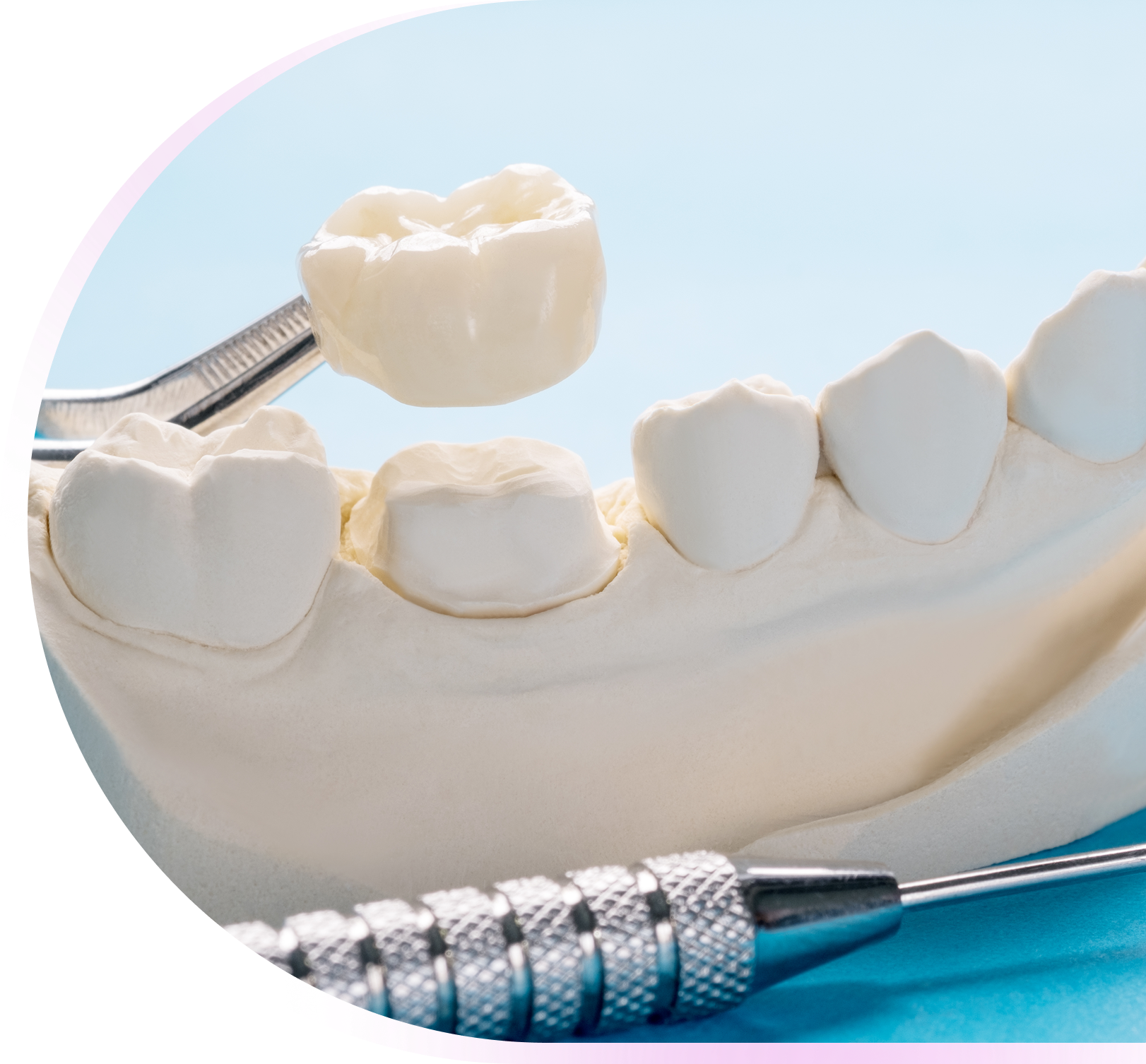
Dental bridges and crowns are custom-made restorations designed to restore the shape, strength, and function of your teeth. Crowns cover weakened or fractured teeth, while bridges fill gaps caused by missing teeth. These treatments are tailored to your unique needs and aim to improve comfort and oral function.
Dental Problems That Crowns and Bridges Can Address

Severely Decayed Teeth
When decay severely weakens a tooth beyond what a filling can restore, a dental crown covers the remaining structure and may help protect it while supporting function and appearance.

Cracked or Fractured Teeth
Cracks or fractures in a tooth may compromise its strength. A crown can help stabilise the tooth, and potentially reduce the risk of further damage during normal biting and chewing.

Worn-Down Teeth
Teeth worn down by grinding (bruxism) or erosion may lose their shape and function. In some cases, dental crowns may help rebuild and support the affected tooth structure.

Missing Teeth
When one or more teeth are missing, a dental bridge may be used to fill the gap. Neighbouring teeth support bridges and may help maintain alignment and bite.
Why Choose Us
Personalized
Dental Restorations

Thoughtful, Patient-Centred Approach
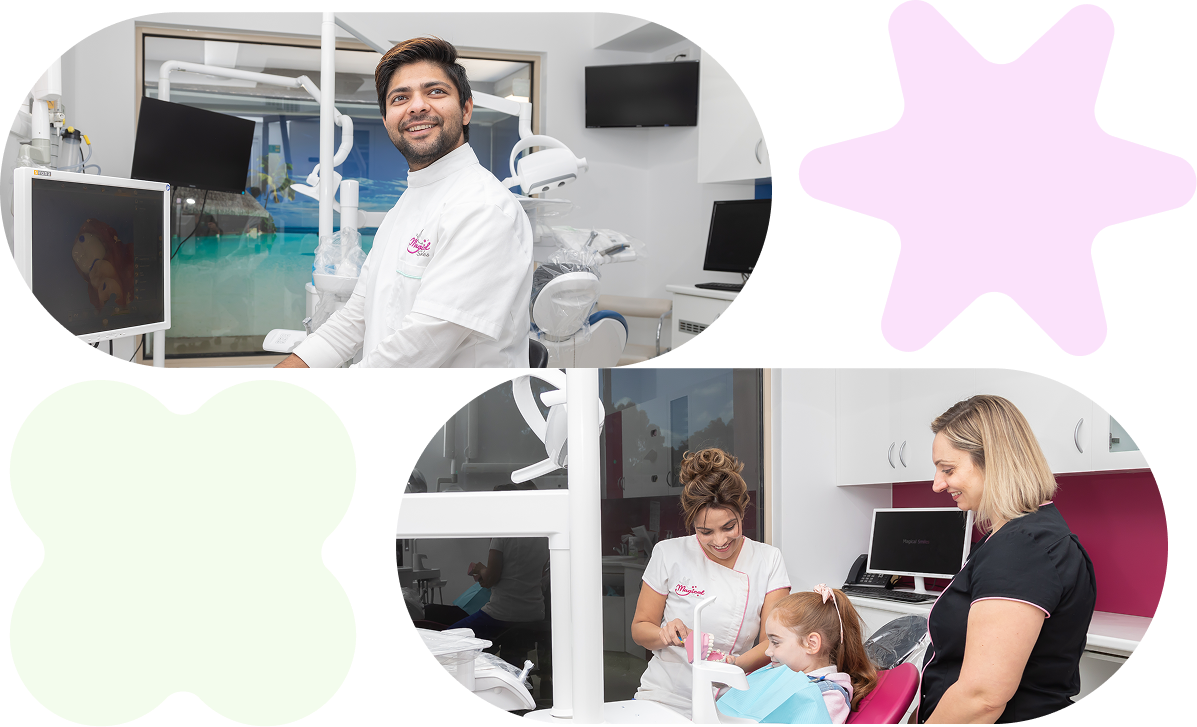
We know that deciding to get a crown or bridge can feel overwhelming. That’s why we start by listening. Whether you’re nervous, unsure about your options, or simply want to know what to expect, we’re here to answer every question—without pressure or judgement.
Our team believes that dental care should be a collaborative experience. From the initial consultation to the final fitting, we’ll guide you through each step so you understand the treatment process. We provide care in a professional, respectful environment.
Modern Technology for Efficient Treatment
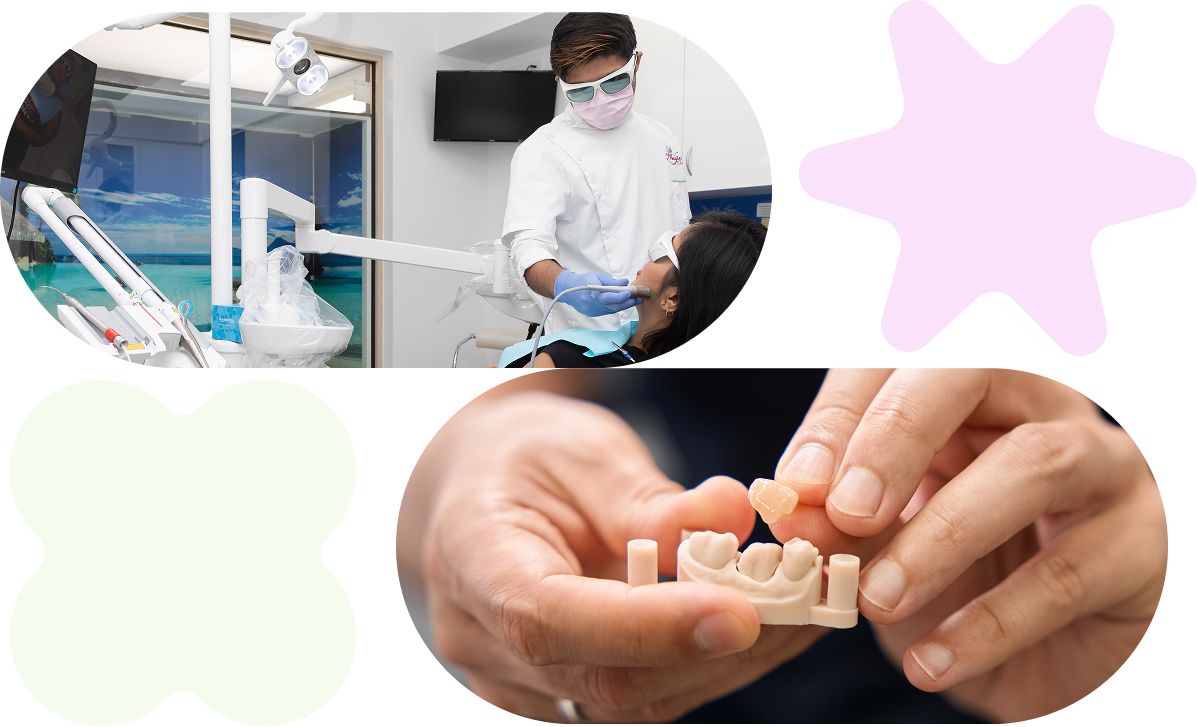
Need a crown but short on time? We offer CEREC same-day crowns, designed and milled right here in our clinic. In many cases, crowns can be completed in a single appointment using CEREC technology, reducing the need for temporary fittings or multiple visits.
We use digital scans instead of traditional impressions, and our in-house technology allows for precise results that prioritise both function and aesthetics. This technology is designed to make the process more efficient and comfortable.
Customised Crowns and Bridges
Every crown and bridge we provide is custom-tailored to your bite, smile, and lifestyle. Our crowns and bridges are carefully designed to achieve a natural appearance that complements your natural teeth.
Beyond the aesthetics, we consider how you chew, speak, and smile. Our goal is to restore both function and appearance, allowing you to smile comfortably. At Magical Smiles, we consider both comfort and appearance when planning restorations.
Schedule an Assessment

Frequently Asked Questions
Common Questions About Crowns and Bridges
What's the difference between dental crowns and bridges?
Crowns and bridges are dental treatments that may help restore both the look and function of damaged or missing teeth. However, they serve different purposes and are recommended in different clinical situations based on individual needs. Below is a detailed comparison to help clarify their roles in dental care.
Dental Crowns – Restoring a Damaged Tooth
Purpose: Dental crowns work by covering and protecting a damaged tooth, with the aim of supporting its strength, form, and function.
Structure: A dental crown is a customised restoration that surrounds and covers the entire portion of a tooth above the gumline.
Common Indications: Crowns are typically recommended when a tooth has a large cavity, has undergone root canal treatment, is cracked, or has been heavily worn down.
Materials Used: Dental crowns in Caroline Springs can be made from a variety of materials, including ceramic, porcelain-fused-to-metal, zirconia, or gold alloy, depending on clinical and aesthetic requirements.
- Longevity Considerations: With good oral hygiene and regular dental checkups, a dental crown can last many years. Its longevity varies among individuals, depending on factors such as bite pressure, material, and maintenance.
Dental Bridges in Caroline Springs – Replacing a Missing Tooth
Purpose: Dental bridges are designed to fill the space of one or more missing teeth by anchoring an artificial tooth to nearby teeth or implants.
Structure: A bridge consists of one or more prosthetic teeth (pontics) supported on either side by crowns placed over the neighbouring healthy teeth (abutments).
Common Indications: A dental bridge may be recommended when healthy teeth are present on either side of a missing tooth, providing a fixed option rather than a removable denture.
Types of Bridges: Several types of bridges exist, including traditional, cantilever, and Maryland bridges, with the choice depending on the position of the missing tooth and the condition of adjacent teeth.
- Considerations for Long-Term Success: Maintaining the health of the supporting teeth and gums can support the long-term function of a dental bridge. Regular flossing beneath the bridge and professional dental care are important.
Dental bridges are designed to fill a space left by one or more missing teeth, while dental crowns are used to help protect and support an existing compromised tooth. Your dentist will assess your oral health, treatment goals, and structural needs to recommend the most suitable option.
Are crowns or bridges right for me?
Dental crowns or bridges may be suitable if you have damaged, weakened, or missing teeth affecting your chewing, speech, or overall dental function. A crown aims to restore the strength, shape, and appearance of a compromised tooth by covering it. When one or more teeth are missing, a dentist may recommend a bridge as an alternative treatment to removable dentures. Your dentist will assess your oral health, bite alignment, and the condition of your supporting teeth before recommending the most appropriate option.
Crowns and bridges are commonly used with the goal of improving function and aesthetics; however, their suitability depends on your needs and dental history. Factors such as gum health, bone support, and personal hygiene habits influence treatment success. Your dentist will explain the benefits and potential risks of each option, which may include sensitivity, damage to adjacent teeth, or the need for future replacement. This helps you understand your options and choose the one most suitable for your long-term oral health goals.
How long do crowns and bridges last?
The lifespan of dental bridges and crowns can range from 5 to 15 years, though this varies significantly among individuals. Maintaining good oral hygiene, like daily brushing and flossing, can help preserve the long-term strength of your teeth. The materials used, such as porcelain or metal alloys, also affect how long they remain functional. Your dentist will assess your bite, habits, and oral health to determine the expected longevity of your dental work.
Factors like gum disease, poor oral hygiene, or teeth grinding can reduce the lifespan of a crown or bridge. Routine dental checkups are essential for monitoring signs of wear, damage, or decay around the restoration. With proper maintenance, some crowns and bridges may last beyond 15 years, though this is not guaranteed. Ongoing checkups enable your dentist to provide personalised guidance on maintaining your restoration in optimal condition and discuss whether or when it should be replaced.
Are crowns painful?
Some patients considering dental crowns in Caroline Springs often wonder if the procedure will be painful. While it’s natural to feel concerned, understanding what to expect before, during, and after your crown procedure can provide clarity and comfort.
Before the Procedure: Before your dentist begins preparing the tooth for a crown, a local anaesthetic is administered to numb the area. This helps prevent pain during the procedure, although you may feel pressure or vibration.
During the Procedure: The tooth is carefully reshaped to accommodate the crown, and impressions or digital scans are taken to achieve a precise fit. With the area numbed using local anaesthetic, most patients find the procedure more comfortable than expected and similar in sensation to having a dental filling.
- After the Procedure: Once the anaesthetic wears off, it’s common to experience minor sensitivity to temperature or pressure around the addressed tooth. This usually subsides within a few days. To help alleviate any discomfort following your procedure, your dentist will provide guidance on management, and over-the-counter pain relief may be recommended if necessary.
Choosing dental restoration in Caroline Springs does not mean you should expect significant pain, as crowns are performed using anaesthetic for patient comfort. Some people report tenderness and sensitivity afterwards, which usually settles and can be managed if needed.
Can I eat normally with a bridge?
Yes, many patients can eat comfortably with a dental bridge, but some adjustments may be needed initially. Your dentist may recommend starting with softer foods until you become accustomed to chewing with the bridge in place. Over time, most patients may be able to return to enjoying a wide range of foods as they normally would. Good oral hygiene and regular dental visits are important for maintaining the bridge’s strength and stability.
It is essential to remember that very hard or sticky foods can put stress on the bridge and surrounding teeth. While occasional consumption may not cause problems, frequent chewing of such foods can increase the risk of damage. Your dentist can provide personalised advice tailored to your oral health and the type of bridge used. Following this guidance helps maintain your bridge, keeping it functional, comfortable, and long-lasting.
What are the alternatives to crowns and bridges?
Several treatment options are available for patients who may not be suitable candidates for crowns or bridges. If you’re exploring the cost of tooth crowns in Caroline Springs, you may also want to inquire about alternative dental treatments. The most suitable choice depends on individual needs, oral health, and long-term goals. Here are some of the common alternatives:
Dental Implants: Dental implants are surgically placed titanium posts that act as artificial tooth roots, supporting a crown or bridge to replace missing teeth. They are often chosen because they may provide a stable, long-lasting option when sufficient bone density is present.
Partial Dentures: Removable partial dentures can replace one or more missing teeth and are supported by the surrounding teeth and gums. This option may be more affordable up front, but it generally requires adjustments over time as the mouth changes.
Composite Bonding: For minor chips, cracks, or small gaps, composite resin bonding may restore appearance and function without the need for a full crown. This treatment is less invasive but may not last as long as other restorative options.
Inlays and Onlays: Inlays and onlays are custom-made restorations that fit into or onto the chewing surface of a tooth. They may be suitable when the damage is too large for a filling but not extensive enough to require a full crown.
- Orthodontic Treatment: In some cases, orthodontic treatment can reposition teeth to close gaps or improve alignment, rather than replacing teeth with prosthetics. This approach focuses on adjusting the natural teeth rather than restoring them with artificial materials.
Choosing the right alternative to crowns and bridges depends on several factors, including the health of your teeth and gums, your treatment goals, and your budget. A thorough dental examination and personalised treatment plan are essential to determine which option is most suitable for you.
What’s better: a bridge or an implant?
When patients consider replacing a missing tooth, two common options are dental implants and dental bridges in Caroline Springs. Each treatment has its own advantages and considerations, and the most suitable option depends on your oral health, lifestyle, and treatment goals.
Longevity and Durability: Dental implants are designed to integrate with the jawbone and may last many years when maintained with good oral hygiene, though outcomes vary between individuals.
Impact on Surrounding Teeth: A bridge requires reshaping the teeth on either side of the gap to anchor the restoration. In comparison, an implant aims to replace the missing tooth without relying on the neighbouring teeth for support.
Bone and Gum Health: Dental implants may help maintain jawbone density by stimulating the bone during chewing and eating. In contrast, dental bridges do not provide this type of bone stimulation.
Treatment Time and Process: A dental bridge can usually be completed in a shorter timeframe than an implant procedure. Implants often require several months for the bone and implant to integrate securely.
- Suitability for Different Patients: Not every patient is a suitable candidate for implants; adequate bone density and good overall health are key criteria. In such cases, bridges may be a suitable alternative for patients who are unable to undergo implant surgery.
Neither option is universally “better”; the right choice depends on your circumstances, preferences, and oral health needs. A thorough consultation with your dentist will help determine the most appropriate treatment option for you. Choosing a suitable missing tooth replacement in Caroline Springs may support not only your smile’s appearance but also your long-term oral health.
What are the costs of dental crowns and bridges?
When planning for dental crowns and bridges, it is important to know that prices can vary significantly between patients. The final cost depends on factors such as the type of restoration, the number of teeth involved, and each person’s dental needs. Below is a clear breakdown of costs and factors that may affect your treatment investment:
Cost of Dental Crowns in Caroline Springs: A single dental crown typically ranges from $1,100 to $2,000. The final price depends on the material used (such as porcelain, ceramic, or metal) and the complexity of the restoration required for the affected tooth.
Cost of Dental Bridges in Caroline Springs: The cost of a dental bridge generally ranges from $1,800 to $5,000 per tooth. The overall investment will vary depending on the bridge type (traditional, cantilever, or Maryland) and the number of teeth being replaced.
Implant-Supported Bridges: Implant-supported bridges are a more complex treatment option that combines implants and bridge components and may incur higher costs, with fees usually around $15,000. The final price depends on the number of implants required and the complexity of the procedure, which varies according to each patient’s specific needs.
Factors That Influence Pricing: Costs may increase if additional treatments are needed, such as tooth extractions, gum therapy, or root canal treatment. Higher-quality materials may also increase the overall price.
Private Health Fund: If you hold a private health fund with dental cover, you may be entitled to a benefit. The amount will vary based on your health fund and level of cover, so please check directly with your provider.
- Personalised Treatment Plan: Every patient’s dental needs are unique, so the most accurate cost estimate can only be provided after a professional consultation with your dentist. During this consultation, your dentist will assess your oral health and provide a tailored treatment plan, along with a detailed and transparent quote.
General price ranges can provide a guide, but the actual cost of crowns and bridges in Caroline Springs varies with the type of restoration. The final cost also depends on the number of teeth involved and whether additional procedures, such as extractions or root canal therapy, are required. A personalised consultation will provide an accurate quote based on your individual needs.