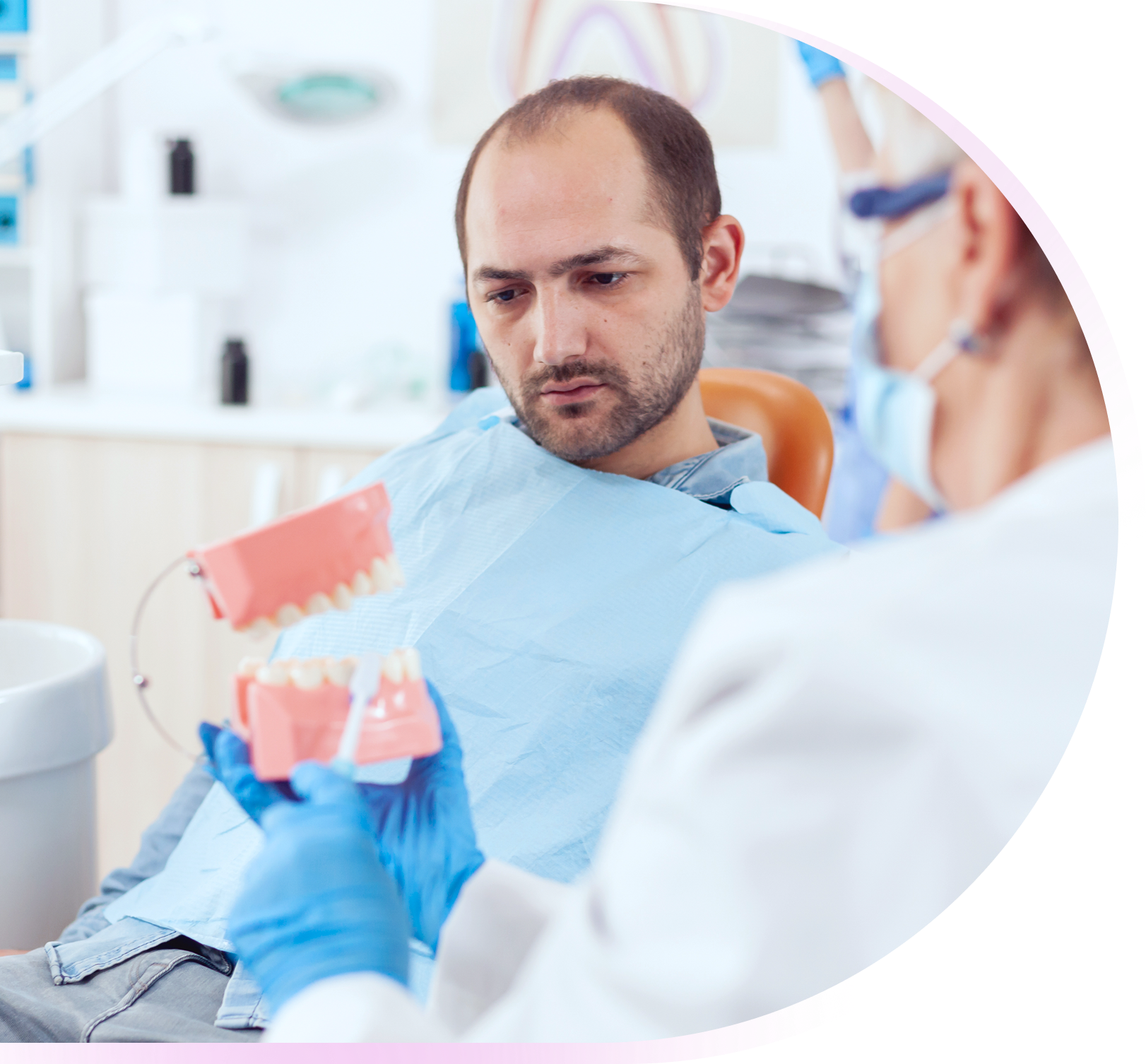
Tooth Replacement Options
Dental Implants in Caroline Springs
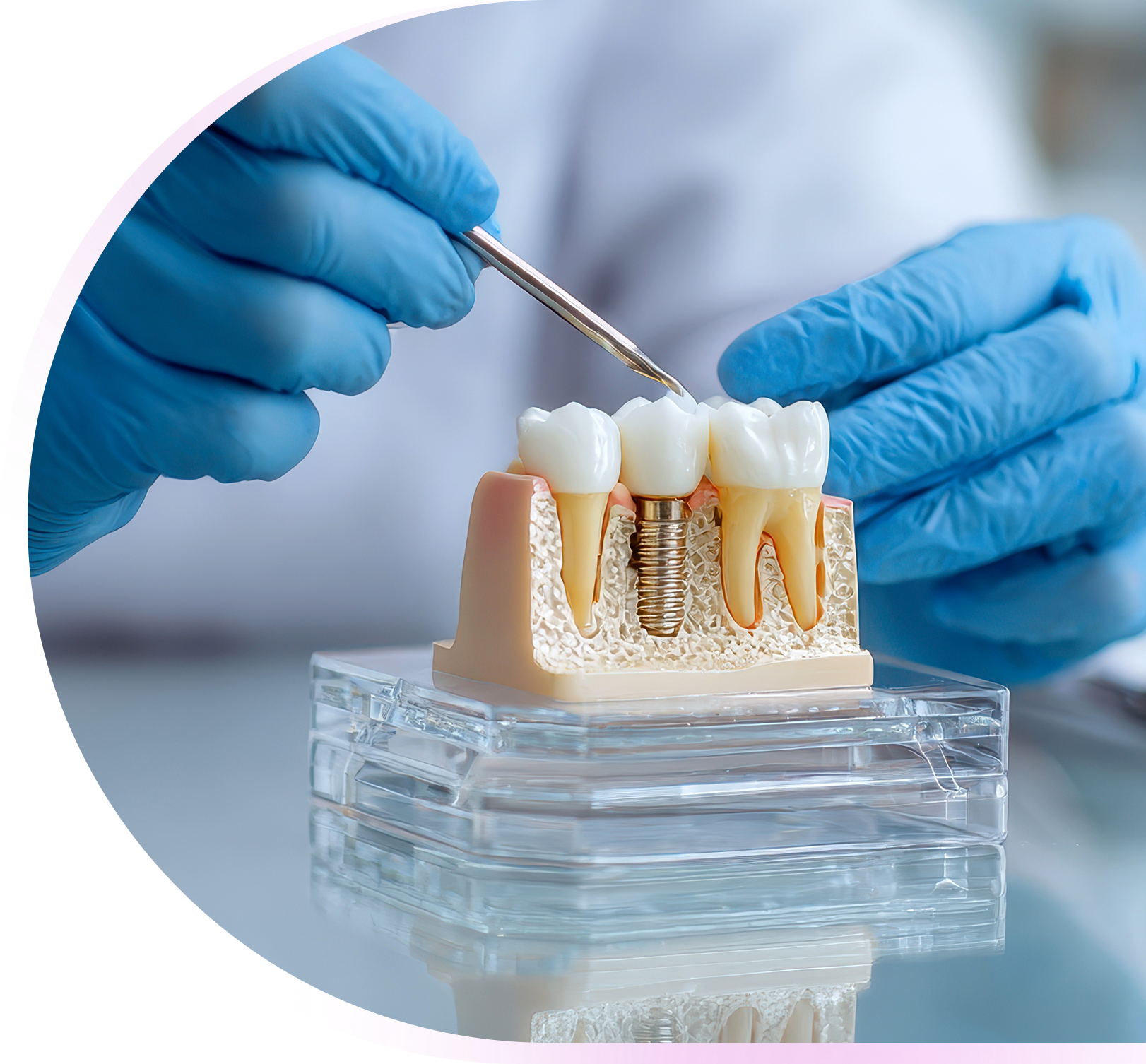
Dental Implant Basics
Explore Potential Implant Outcomes
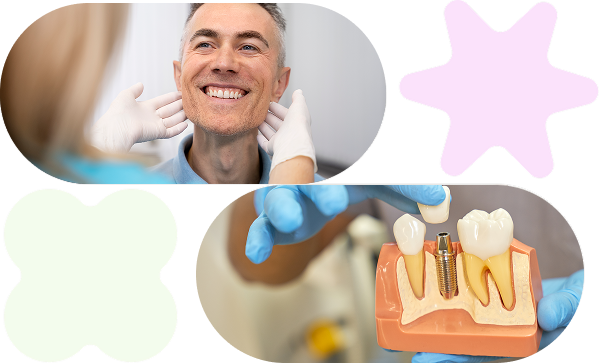
Dental implants can enhance everyday comfort and help maintain overall oral function. Below are some of the ways they may contribute to your quality of life when replacing missing teeth.
- Dental implants can help restore chewing function for many patients, though individual results vary based on bone quality, oral health, and healing capacity.
- They may help improve clarity by filling gaps that could otherwise affect pronunciation. This can make conversations more natural.
- Dental implants may help maintain jawbone density and can reduce the risk of bone loss for many patients. This helps maintain long-term oral health and natural facial structure.
- With consistent care, implants can last for years. This makes them a practical tooth replacement option for most adult patients.
Who Is a Good Fit for Implants?
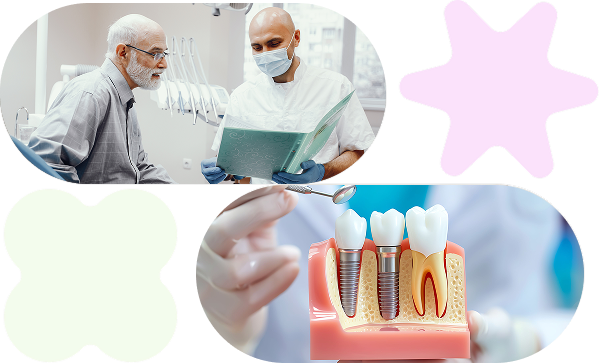
Dental implants may be an option for people wanting to improve chewing comfort and maintain jawbone health after tooth loss. Here are some examples of individuals who might consider this treatment:
- Adults who have lost one or more teeth may benefit from dental implants to restore function and appearance. They should have sufficient bone density to securely stabilise the implant.
- People who wear dentures and find them uncomfortable might consider implants for a more stable alternative. They must be willing to follow their dentist’s care instructions closely.
- Individuals with healthy gums and no active periodontal disease can be suitable candidates for implants. They should also commit to regular dental checkups and consistent oral care.
- Adults seeking a long-term option rather than removable options may find implants appropriate.
Our Dental Services
Implant Treatment Options Available in Caroline Springs
Single Implants
Single dental implants replace one missing tooth with a titanium post and a custom crown. This option may help preserve neighbouring teeth and support jawbone structure. Single implants function similarly to natural teeth and provide a natural appearance. Suitability depends on adequate bone density and healthy gums, assessed during your consultation.
Multiple Dental Implants
Multiple implants replace several missing teeth in different areas. Each implant supports crowns or bridges, restoring function across multiple gaps. This approach allows for independent tooth replacement. Multiple implants may suit patients with good bone health wanting to avoid removable dentures. Treatment planning depends on your individual needs and assessment.
All-on-4 Dental Implants
All-on-4 implants use four strategically placed posts to support a full arch of replacement teeth, restoring an entire upper or lower jaw. This option is often considered for patients with significant tooth loss or those wearing full dentures. Some patients may not require bone grafting, depending on the individual bone structure assessed during consultation.
Implant-Retained Dentures
Implant-retained dentures are securely attached to dental implants and provide enhanced stability compared to traditional removable dentures. This option helps reduce movement during eating and speaking. They can be removed for cleaning, but stay firmly in place during use. They may suit patients wanting denture stability. Your dentist explains available attachment options.
Dental Implant Consultation

A dental implant consultation includes a comprehensive assessment of your oral health, bone structure, and treatment goals. Your dentist examines your mouth, reviews imaging, and discusses suitable options. You’ll receive information about the treatment process, timeline, and costs before making decisions. This consultation helps determine whether implants are suitable for your needs and what to expect.
At Your Appointment
Understanding Your Implant Treatment Process
Step 1
Initial Consultation and Assessment
During your first visit, we’ll review your medical history, perform an oral examination, and take digital images like 3D scans. This helps us determine if implants are a suitable option for you.
Step 2
Implant Placement and Healing Time
The implant procedure involves placing a small titanium post into your jawbone under local anaesthesia for your comfort. Healing (osseointegration) can take several months, and temporary teeth may be provided during this phase.
Step 3
Final Tooth Restoration and Aftercare
Once healing is complete, we fit your custom-made crown or bridge, designed to match your surrounding teeth. Regular checkups and good oral hygiene are essential to help your implant last for years.
Dental Implant Consultation in Caroline Springs
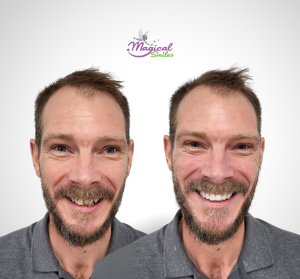
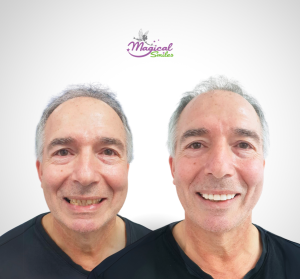
Before-and-After Clinical Illustrations
Dental Implant Case Examples
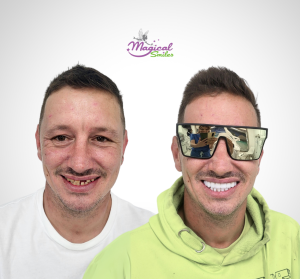
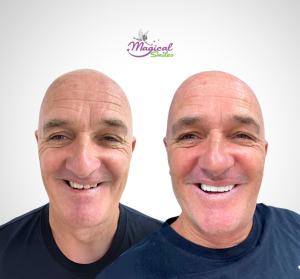
Explore examples of dental implant treatments completed at our clinic. These images are provided for educational purposes only and illustrate how implants may address missing teeth in different situations. Every patient is unique, and results will vary depending on bone quality, healing, and oral health. Your dentist will assess your suitability and discuss potential outcomes.
Disclaimer: Results vary between individuals. Images used with written patient consent. The referenced dental implant procedure was performed by Dr. Rachna Yadav, General Dentist (DEN0001046139). Images taken under consistent conditions with no digital alterations. Any surgical or invasive procedure carries risks. Before proceeding, you should seek a second opinion from an appropriately qualified health practitioner.
About Our Dental Implant Services
Our Approach to Dental Implant Treatment
Over 20 Years of Clinical Experience in Dentistry
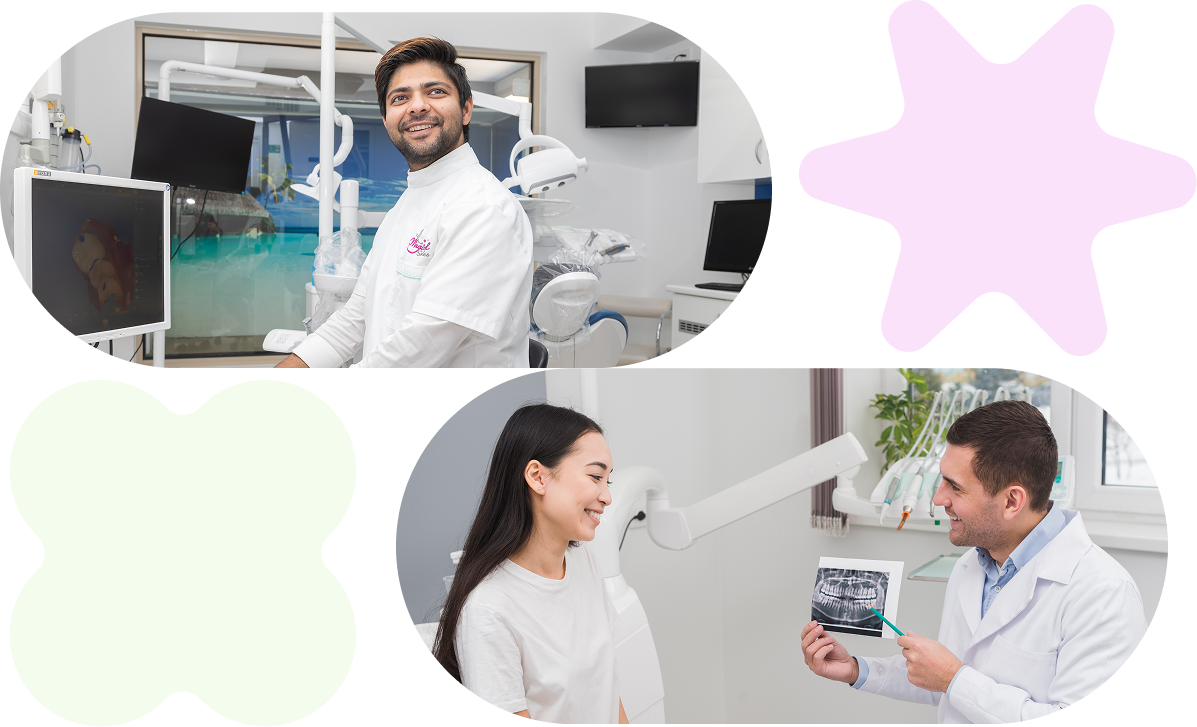
Our team is led by Dr. Rachna Yadav, an experienced dentist with over 20 years of clinical experience. Her work includes a strong focus on full-mouth rehabilitation and smile makeovers. Dr. Yadav has experience in restorative dentistry, supported by a team of registered dental professionals. Her approach is focused on careful treatment planning and patient-centred care.
Our team values open communication and informs patients about treatment options. We take the time to listen to your concerns and explain your options clearly. We aim to provide accurate information, enabling you to make informed choices at your own pace.
Personalised Treatment Planning
No two smiles are the same, and neither are dental implant journeys. At Magical Smiles Caroline Springs, we believe in creating a clear, step-by-step plan. Each treatment is tailored to your oral health, bone structure, and long-term goals.
From your first consultation to your follow-up appointments, we guide you with honesty and clarity. We offer thoughtful recommendations based on your needs so you can move forward with all the information you need.
Treatment Fee and Payment Options
We understand that cost is an important consideration when exploring dental implants. That’s why Magical Smiles offers flexible payment plan options (eligibility criteria apply; provider terms and conditions are available at the clinic).
Our clinic includes a family area and facilities designed to support patients of all ages. We also provide continuous support and follow-up care throughout your treatment.
Price Guide
Dental Implants Pricing Guide
Single Implants
We offer single tooth implants in Caroline Springs and provide a set, transparent starting price, giving you an idea of your initial investment for missing tooth replacement.
Starts at$5000
Our fee includes the implant ($2,500) and crown ($2,500), based on standard treatment that doesn't require bone grafting or a sinus lift.
Final costs may vary depending on the complexity of your case and any additional procedures that may be required.
Flexible payment options are available from $55 per week over two years to help manage costs.
All-on-4 Implants
We provide All-on-4 implants at a clear starting price to help you plan your treatment budget. This upfront approach helps you understand the initial investment before beginning your smile restoration journey.
Starts at$25,000
The number of implants directly affects the total cost. Costs also vary depending on the type of restoration chosen.
Complex treatments may require additional planning and time. Preparatory procedures, such as bone grafting, can increase the overall price.
We thoroughly assess your oral health during the consultation. We then provide a personalised quote tailored to your specific needs.
Dental Implant Consultation
Our dental implant consultation gives you clear details about your needs and options. You will receive a cost estimate to help you confidently plan the implant treatment for replacing your missing teeth.
Starts at$65
Includes a comprehensive clinical assessment, an in-depth discussion of your treatment options, and a preliminary cost estimate.
Additional diagnostic tests, such as digital X-rays or 3D scans, may be recommended and can incur additional charges.
If you choose to proceed with implant treatment, the consultation fee is deducted from your overall treatment cost. — Terms and conditions apply.
Payment Options
Flexible Payment Options for Dental Care
SuperCare
(Early Release of Superannuation for Dental Treatment)
SuperCare is a third-party service that facilitates Australian Taxation Office applications for early release of superannuation. In limited circumstances, patients who meet strict ATO eligibility requirements may access their super to fund medically necessary dental procedures.
*Early super access may significantly impact your long-term financial security. We recommend exploring alternative payment options and seeking independent financial advice before considering this option. Treatment recommendations are based solely on clinical necessity, not on your payment method. Eligibility is assessed by the ATO, not by this clinic.
Frequently Asked Questions
FAQs About the Implant Treatment Process
What are the different types of dental implants, and what's suitable for me?
Choosing the right dental implant type is an important decision that depends on your oral health, bone structure, and treatment goals. Dental implants come in several designs and placement methods, each with specific benefits and considerations. Explore modern missing tooth replacement options designed for comfort, durability, and aesthetic appeal. Below is a breakdown of the main types of dental implants and how suitability is determined in a clinical setting.
- Endosteal Implants (Placed in the Jawbone):
This is the most common type, often made from titanium dental implant material and shaped like small screws. They are placed directly into the jawbone and are suitable for patients with sufficient bone density. This option often works well for those who want a stable, long-term foundation for crowns, bridges, or dentures.
- Subperiosteal Implants (Placed Above the Jawbone:
Subperiosteal implants are positioned over the jawbone but under the gum tissue. They are generally recommended for patients who cannot have bone augmentation and have insufficient bone height. This design may be considered if a patient prefers a less invasive bone preparation process.
- Zygomatic Implants (Anchored in the Cheekbone):
Zygomatic implants are longer than conventional implants and are anchored in the cheekbone (zygoma) rather than the jawbone. They are typically considered for patients with severe bone loss in the upper jaw who are not suitable candidates for traditional implants or extensive bone grafting. This option provides a stable foundation for fixed prosthetic teeth when other implant methods are not viable.
The most suitable implant type for you will depend on a thorough dental assessment, imaging results, and your treatment goals. An implant dentist in Caroline Springs will explain the benefits, limitations, and aftercare for each implant option. This will help you make an informed choice that promotes your long-term oral health.
How long do dental implants last?
Dental implants are designed to be a long-term fixed tooth replacement option, but their lifespan can vary based on several factors. Here is a detailed breakdown of the factors that influence how long dental implants may last:
- Average Longevity:
Dental implants can function for 10 years or more, with some lasting 20 years or longer when maintained well.
- Impact of Oral Hygiene:
Consistent brushing, flossing, and regular dental checkups help prevent gum disease around the implant, which can extend its lifespan.
- Role of Bone Health:
Adequate bone density and volume are essential for implant stability, and maintaining good bone health can sustain the implant for years.
- General Health Considerations:
Conditions such as uncontrolled diabetes, smoking, and certain medications can affect healing and may reduce the implant’s longevity.
- Professional Maintenance:
Regular dental checkups help detect issues like gum inflammation or bone loss before they severely affect the implant. Dentists can address these problems early to maintain the implant’s stability and function.
Understanding these factors and committing to consistent care can help maximise your dental implant’s lifespan. Regular maintenance also protects your overall oral health and reduces the risk of implant complications. If you’re considering a single tooth implant in Caroline Springs, start by following these care recommendations. This approach contributes to long-term stability and helps maintain comfort throughout the lifespan of your implant.
How long do dental implant procedures take?
The duration of the procedures varies based on the patient’s oral health, case complexity, and any required additional treatments. Understanding the typical timelines helps patients plan their treatment and recovery more effectively. Here is a breakdown of the key timeframes involved in a dental implant treatment:
- Initial Consultation and Planning:
Your first appointment usually takes 45 to 60 minutes and includes an oral examination with X-rays or 3D scans. Then, your dentist will discuss their findings and your options in detail. This stage is essential for creating a personalised treatment plan and identifying any preparatory work needed.
- Surgical Placement of the Implant:
The actual implant placement procedure typically takes one to two hours per implant, depending on the complexity of the case. This includes time for administering anaesthesia, preparing the site, and placing the titanium post into the jawbone.
- Healing and Osseointegration Period:
After the dental surgery in Caroline Springs, the implant fuses with the jawbone through a process called osseointegration. This healing stage generally takes three to six months, and it allows the implant to become stable enough to anchor the final restoration.
- Abutment Placement:
Once the implant has integrated, placing the abutment — the connector between the crown and the implant — usually takes around 30 to 60 minutes. In some cases, this step can be combined with the implant surgery, but often it is done in a separate appointment.
- Final Crown Placement:
The final stage involves attaching the custom-made crown to the abutment, which may take about 30 to 60 minutes. This step completes the restoration, allowing the patient to resume normal biting and chewing function.
Every patient’s case is unique, and your implant dentist in Caroline Springs will give you an estimated timeline after a thorough assessment. This allows them to tailor the treatment process to your needs to achieve the most suitable long-term outcome.
What is the recovery time for dental implant surgery?
Most patients recover from dental implant surgery within one to two weeks, depending on individual healing capacity. During this period, swelling and mild discomfort are common but usually improve within several days. The implant itself requires several months to integrate with the jawbone before the final crown is placed. Your dentist will monitor progress through follow-up appointments to assess proper healing and stability.
Healing time can vary based on bone quality, oral hygiene, and any additional procedures performed. Smoking, certain medical conditions, and poor aftercare may slow recovery and integration. Following your dentist’s aftercare instructions promotes faster healing and reduces the risk of complications. Discuss your specific situation with your implant dentist in Caroline Springs for personalised treatment recommendations.
What are the alternatives to dental implants?
When considering fixed tooth replacement, dental implants are a popular choice, but they are not the only option available. The most appropriate alternative will depend on factors like the jawbone health, number of missing teeth, budget, and personal preferences. It is important to discuss these options with your dentist, who can provide guidance based on your oral health and treatment goals. Below are several alternatives that can restore function and appearance while supporting your long-term oral health:
- Dental Bridges:
A dental bridge replaces one or more missing teeth by anchoring artificial teeth to the natural teeth on either side of the gap. The supporting teeth are prepared to hold crowns, which means some healthy tooth structure is removed. Bridges can be a suitable option for patients who have strong neighbouring teeth and do not wish to undergo dental surgery in Caroline Springs.
- Removable Partial Dentures:
Removable partial dentures have replacement teeth attached to a gum-coloured base. Metal clasps or precision attachments hold the base securely. They can be taken out for cleaning, making them a flexible and non-surgical alternative. Partial dentures may require periodic adjustments as the shape of the mouth changes over time.
- Complete Dentures:
Complete dentures are designed for patients who have lost all teeth in the upper or lower jaw. They rest on the gums and rely on suction or implants for stability. They can restore the ability to chew and speak more comfortably. Dentures may feel less secure than non-removable options and need regular maintenance.
Your dentist can assess your needs and explain the benefits and limitations of each available treatment option. They can then help you choose an option that aligns with your oral health goals and circumstances. Selecting the right alternative involves balancing comfort, function, appearance, and long-term maintenance requirements. If you’re looking for affordable dental implants in Caroline Springs, book a consultation today.
What are the key features of dental implants?
Dental implants are anchored directly into the jawbone, which provides stability during chewing. They are designed to stimulate the jawbone, which may help maintain bone density over time. Because they function similarly to natural teeth, many patients find they can chew a variety of foods comfortably.
Unlike some alternatives, implants do not require modification of adjacent natural teeth for stability. With consistent oral care, dental implants can last for many years. Your dentist can discuss how implants compare to other tooth replacement options based on your specific oral health needs and discuss affordable dental implants in Caroline Springs. They can explain how each treatment works and outline the benefits and considerations for your specific circumstances.
Like all dental procedures, implants carry risks including infection, nerve damage, and implant failure. Discuss potential complications with your dentist during a consultation.
What is the downside of dental implants?
Dental implants are a good option for replacing missing teeth, but like all dental procedures, they come with considerations and risks. Understanding these possible downsides helps patients consider whether this treatment is the right choice for them. While some people experience long-term success with implants, certain factors can affect the outcome, cost, and healing process. The following are some of the main disadvantages to be aware of:
- Surgical Procedure and Recovery:
Dental implant placement requires minor oral surgery, which carries risks such as infection, swelling, and discomfort during healing. Recovery times vary, and patients may need several months before the implant is fully integrated with the jawbone.
- Higher Upfront Cost:
The dental implant cost in Caroline Springs is typically higher than alternatives like dental bridges or dentures. Costs can increase if additional procedures like bone augmentation or sinus lifts are required, and private health fund cover may be limited.
- Time-Intensive Process:
The implant process can take several months from initial consultation to final restoration. This is due to healing periods between surgical placement and attaching the crown, especially if preparatory treatments are needed.
- Bone and Gum Health Requirements:
Dental implants need sufficient bone density and healthy gums, which some patients may not have at the start of treatment. Additional procedures may be necessary to create the right foundation, adding time, cost, and complexity to treatment.
When considering dental implants, discuss the benefits and downsides thoroughly with your dentist for informed decision-making. Your dentist can help determine if dental implants suit your oral health needs and long-term treatment goals.
Do health funds cover the cost of dental implants?
Some health funds may provide partial benefits for dental implants under major dental cover. The level of cover varies significantly between funds and policy types, and whether implants are considered cosmetic or restorative. Patients should contact their health fund directly to confirm eligibility, annual limits, and any applicable waiting periods. It is important to obtain a written quote from your dentist for an accurate health fund assessment.
Many health funds require item numbers to assess claims for implant surgery and related components. Cover may include parts of the procedure, such as the crown, but excludes surgical placement of the implant fixture. Dental implant costs in Caroline Springs often exceed health fund benefits, so patients may need to cover gap payments. Checking the cover before starting treatment helps patients plan financially and avoid unexpected out-of-pocket expenses.
What are the risks of a dental implant procedure?
Dental implant surgery is considered a safe and effective option for replacing missing teeth when performed by a qualified dentist. However, like any surgical treatment, there are risks and complications that patients should understand before making a decision. Being aware of these risks allows patients to make an informed choice and discuss any concerns with their dentist. Here are the common risks associated with dental surgery procedures:
- Infection at the Implant Site:
Infection can occur during or after surgery. Dentists manage this risk with sterile surgical techniques and thorough postoperative care. Patients should follow all cleaning and aftercare instructions to lower the risk of infection.
- Nerve Injury:
In rare cases, dental implant surgery can affect nearby nerves, causing numbness, tingling, or pain in the lips, gums, or chin. Careful pre-surgical planning, including imaging, helps to minimise this risk.
- Sinus Problems (Upper Jaw Implants):
For implants placed in the upper jaw, there is a risk that they could extend into the sinus cavity. This is more likely if there is insufficient bone height, and it can be avoided through appropriate imaging and planning.
- Implant Failure or Loosening:
An implant may fail to integrate with the jawbone due to poor bone quality, smoking, or excessive biting forces during healing. It may also become loose over time if these factors are not addressed through proper care and monitoring. Regular dental checkups and good oral hygiene can help reduce this risk.
- Gum or Bone Loss Around the Implant:
Some patients may experience gum recession or bone loss around the implant over time. Early detection through routine dental checkups can help manage these issues before they compromise the implant’s stability.
- Allergic Reaction to Implant Materials:
Although uncommon, some individuals may have an allergic reaction to titanium or other metals used in implants. Allergy testing can be done before treatment if a patient has a history of metal sensitivities.
Understanding the possible risks of a dental surgery procedure is an important part of making a decision. Patients should discuss their health circumstances with their dentist to assess suitability and create a treatment plan.
Who can perform a dental implant procedure?
Dental implants in Caroline Springs are performed by dentists who have undertaken additional training and gained experience in implant dentistry. These clinicians possess the knowledge to plan, place, and restore implants safely and effectively. They are qualified to assess your oral health, discuss treatment goals, and recommend the most suitable approach for long-term success. In many cases, care is collaborative, with one dentist placing the implant and another completing the final restoration to achieve a functional and natural-looking result.