


Teeth Straightening Option
Braces in Caroline Springs for Children, Teens, and Adults
About Traditional Braces
An Orthodontic Option for Alignment Concerns
Traditional braces use metal brackets and wires to gradually shift teeth into better alignment over time. The brackets are attached to each tooth, connected by a wire that applies consistent pressure. This pressure encourages teeth to move into their intended positions.
Orthodontic braces in Caroline Springs can help address various concerns, including crowding, gaps, crooked teeth, and bite irregularities. The treatment is designed to work gradually, with regular adjustments guiding teeth through the alignment process. Outcomes can vary based on individual circumstances, and your dentist will discuss what’s realistic for your situation during your consultation.
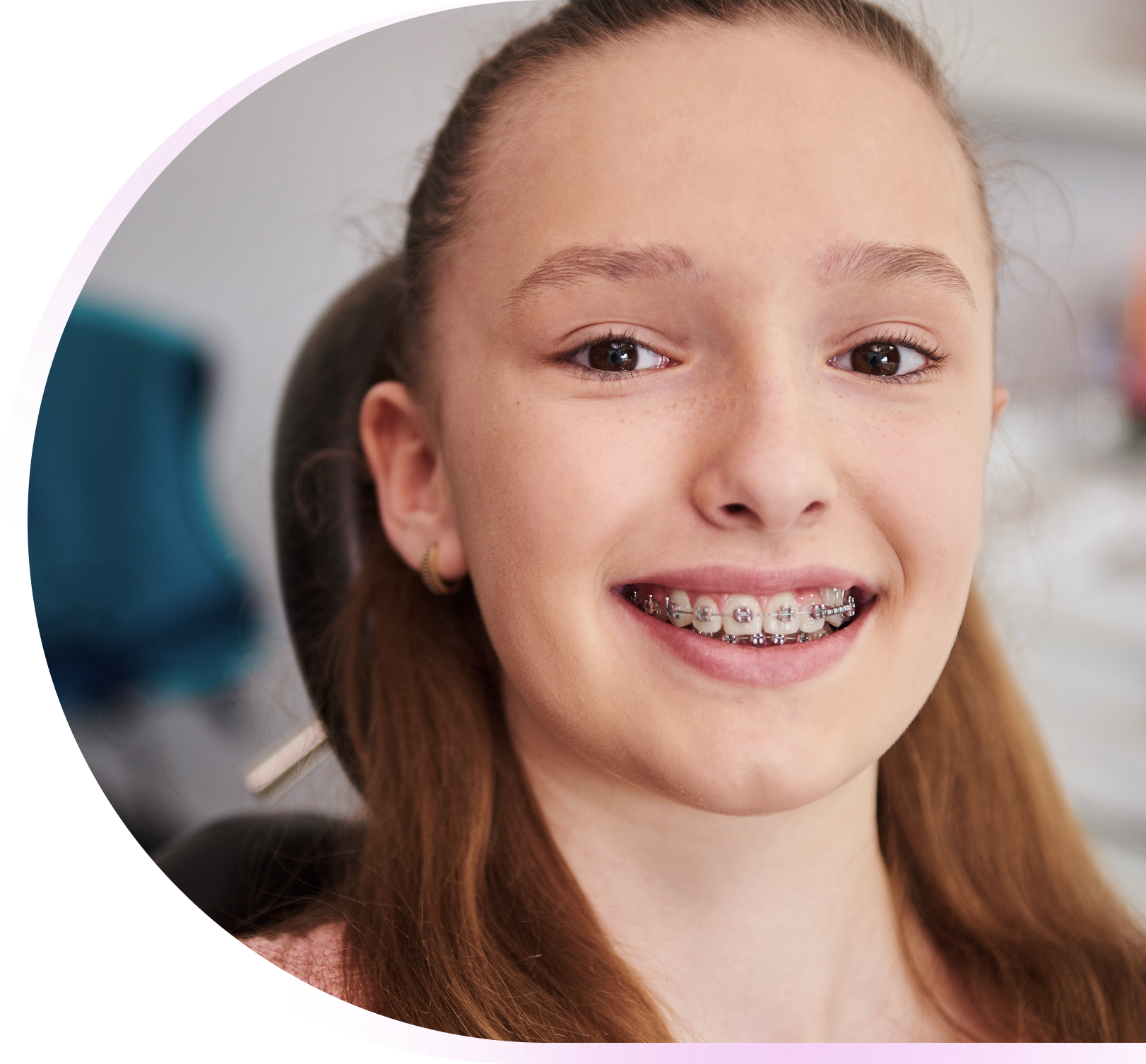
Orthodontic Problems That Braces Are Designed to Address
Braces in Caroline Springs can help manage several common orthodontic concerns. Here are some alignment issues that braces are designed to address during treatment.

Crowded Teeth
Crowded teeth occur when there isn't enough space in the jaw for all teeth to fit comfortably. Braces can help create space and guide teeth into better positions, potentially reducing overlapping and improving access to oral hygiene.

Gapped Teeth
Gaps between teeth may develop due to missing teeth, small teeth, or differences in jaw size. Braces can help close these spaces gradually by shifting teeth closer together over the course of treatment.

Crooked Teeth
Crooked teeth may angle, twist, or sit unevenly in the mouth. Braces apply controlled pressure to rotate and reposition teeth, working towards straighter alignment. Results depend on the severity of misalignment and the individual's response to treatment. .

Bite Problems
Bite problems, such as overbite, underbite, or crossbite, occur when upper and lower teeth don't meet properly. Braces can help adjust tooth positions and, in some cases, work alongside other appliances to improve bite alignment.

Tooth Protrusion
Protruding teeth extend forward beyond the natural bite line, sometimes affecting speech or appearance. Braces can help reposition these teeth by gradually moving them back into alignment with the rest of the dental arch.

Jaw Alignment
Jaw alignment issues may contribute to bite problems and facial asymmetry. Whilst braces primarily address tooth position, they can work in conjunction with other orthodontic treatments to support improved jaw alignment where appropriate.
Clear Options, Caring Support
Why Choose Us
for Teeth Straightening
Pursuing orthodontic treatment can feel daunting, but at Magical Smiles Caroline Springs, we make it personal and clear. Whether you’re an adult who wants a straighter smile or you want to guide your child through early orthodontics, our team provides professional guidance.

Orthodontic Options for All Ages
Your orthodontic treatment should suit your age, goals, and lifestyle. That’s why we offer a full range of options, from early intervention therapies to braces and clear aligners. We’re here to guide every teen, adult, or parent with personalised care and professional recommendations.
Whether you’re considering Invisalign, ClearCorrect, traditional braces, or Myobrace®, we’ll help you explore each option. We’ll explain how it fits into your or your child’s overall treatment plan. Our focus is always on finding the right fit—clinically, personally, and financially.
Convenient, Caring Experience
We understand that time and cost are important considerations. That’s why we offer flexible scheduling and payment plans, including the National Dental Plan. We aim to make orthodontic care accessible, manageable, and stress-free.
From your first consultation through to retainer placement, our team is here to guide you throughout your treatment. We provide clear explanations, supportive guidance, and a focus on your oral health goals.
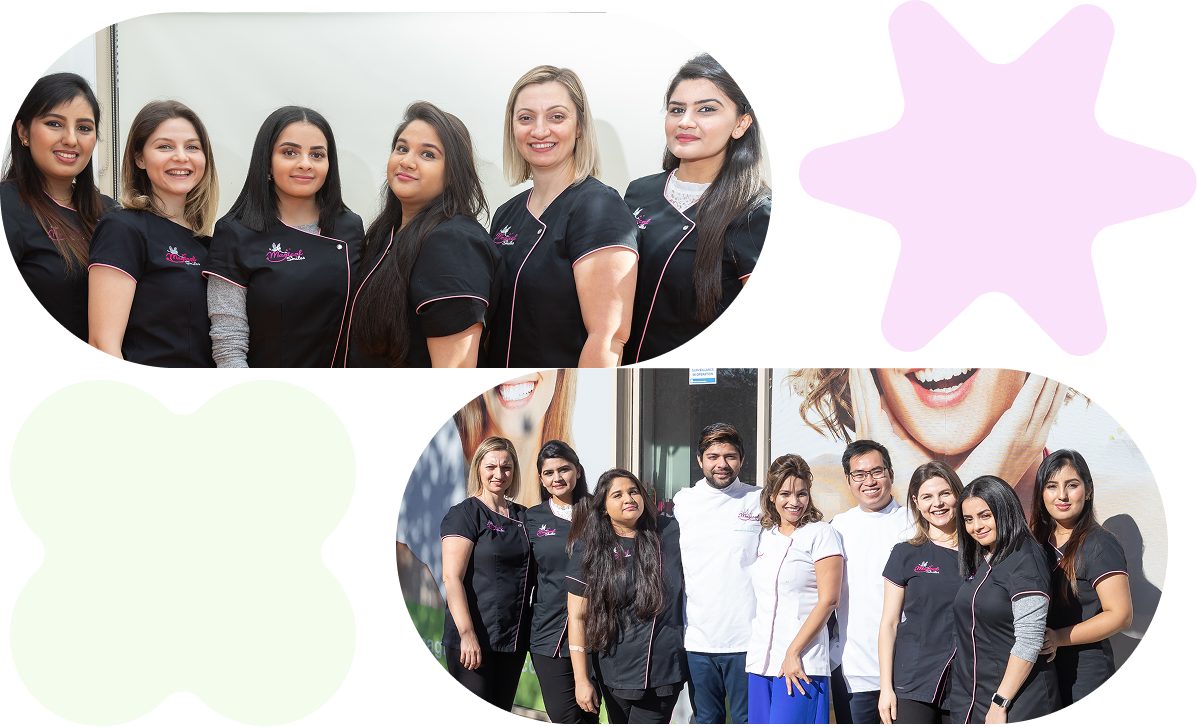

Experienced Care, Professional Guidance
Led by Dr. Rachna Yadav, our team brings over 20 years of experience in guiding patients through orthodontic treatment. From mild alignment issues to complex bite concerns, we’ve helped patients of all ages work towards straighter, healthier smiles.
We stay current with modern techniques while grounding everything we do in honest communication and patient-first values. It’s not just about straighter teeth—it’s about working towards a result that supports your long-term oral health and may improve your smile’s appearance.
Start Your Orthodontic Journey With Us
Begin your orthodontic journey with our experienced team in Caroline Springs. We provide tailored treatment plans to help improve your smile’s alignment, function, and overall oral health.

Frequently Asked Questions
Common Questions About Getting Braces
How much do braces cost?
The cost of braces in Caroline Springs varies based on your treatment needs. Treatment for one arch typically ranges from $4,000 to $6,000, whilst treatment for both upper and lower arches ranges from $7,000 to $9,000. Several factors influence the final cost, including the severity of alignment concerns, the type of braces chosen, and how long you’ll need to wear them.
Your dentist will provide a detailed cost breakdown during your consultation, outlining all fees involved in your treatment plan. We offer flexible payment options for braces in Caroline Springs to help make orthodontic care more manageable. Payment plans can be arranged to spread the cost over the course of treatment, reducing the upfront financial burden.
It’s worth noting that costs vary by individual, so we encourage you to book a consultation to receive an accurate quote tailored to your specific needs.
Who is the right candidate for braces?
Braces may be suitable for children, teens, and adults with concerns about tooth alignment or bite. Good candidates typically have the following:
- Fully emerged adult teeth:
Most orthodontic treatment works well once the adult teeth have come through. Some younger patients may benefit from early intervention whilst they still have a mix of baby and adult teeth.
- Good oral health:
Any active tooth decay or gum disease needs to be addressed before braces can be fitted. Brackets and wires can make existing problems harder to manage during treatment.
- Commitment to oral hygiene:
Braces require diligent brushing and flossing around brackets and wires, along with attending regular adjustment appointments every four to eight weeks throughout the treatment period.
- Realistic expectations:
Understanding that orthodontic treatment is gradual and typically takes 18-24 months or longer helps make you prepared for the commitment involved.
Your dentist providing braces in Caroline Springs will assess your teeth, bite, and jaw alignment during a consultation to determine whether braces are appropriate for your situation. Some complex cases may require additional treatments or alternative approaches, which your dentist will discuss with you.
What are the different types of braces?
Several types of braces are available, each with different characteristics:
- Metal braces:
Traditional metal brackets and wires are the most common option. They’re durable and effective for most orthodontic concerns.
- Ceramic braces:
These work similarly to metal braces but use tooth-coloured or clear brackets that blend in with your natural teeth, making them less noticeable.
- Lingual braces:
Brackets and wires are placed on the back of teeth, making them virtually invisible from the front. They can be more challenging to clean and may initially affect speech.
- Self-ligating braces:
These use a special clip instead of elastic bands to hold the wire in place, potentially reducing friction and making adjustments easier.
Each type has its own advantages and considerations. Your dentist will help you understand which option might work well for your needs, lifestyle, and budget.
Does my health fund cover the cost of braces?
Many health funds offer some level of orthodontic treatment cover, particularly for children and teens. The amount of cover varies significantly between policies and providers, so it’s important to check your specific plan.
Contact your health fund provider directly to confirm your level of cover, any waiting periods, and whether pre-approval is required before starting treatment. Our team can provide the necessary documentation to support your claim and make the cost of braces in Caroline Springs manageable.
What are the alternatives to braces?
Teeth straightening in Caroline Springs may include several alternatives to traditional braces, including the following:
- Clear aligners:
These are removable plastic trays that gradually shift teeth into alignment. They’re nearly invisible and can be removed for eating and cleaning, but they require discipline to wear for 20-22 hours daily.
- Retainers:
In some minor cases, retainers alone may help maintain or make small adjustments to tooth position, though they’re more commonly used after braces treatment.
- Functional appliances:
These devices are used primarily in growing children to guide jaw development and address bite concerns before teeth are fully aligned with braces.
The suitability of these alternatives depends on the severity of your alignment concerns, your age, and your lifestyle. Your dentist will discuss whether any of these options might work for you during your consultation.
How often do I need my braces to be adjusted?
Most patients need adjustment appointments every four to eight weeks throughout their treatment. During these visits, your dentist will:
- Check the progress of tooth movement and assess how your teeth are responding to treatment.
- Tighten or replace the wires to continue applying controlled pressure in the desired direction.
- Replace elastic bands or other components that may have worn down since your last visit.
- Address any concerns or discomfort you’ve experienced and make necessary adjustments.
- Provide guidance on oral hygiene and answer any questions about your ongoing care.
Regular adjustment appointments are essential to keep treatment progressing as planned. Missing appointments may extend your overall treatment time, so it’s important to attend as scheduled.
Are braces painful?
Many people experience some discomfort when braces are first fitted and after adjustment appointments, but this is typically manageable. You may notice the following:
- Mild soreness in your teeth and gums for a few days after braces are placed or adjusted, as your teeth begin to shift.
- Sensitivity when biting or chewing, which often improves within a week as your mouth adjusts.
- Occasional irritation to the inside of your cheeks or lips from brackets, particularly in the first few weeks before your mouth adapts.
The discomfort is usually described as pressure rather than sharp pain. Over-the-counter pain relief can help manage soreness if needed, and your dentist can provide dental wax to place over brackets that cause irritation. Most patients find that any discomfort decreases significantly after the initial adjustment period.
How long do I need to wear braces?
Treatment duration varies depending on the complexity of your orthodontic concerns and how your teeth respond to treatment. On average, patients wear braces for 18 to 24 months, though some cases may take longer or shorter periods. Factors that influence treatment time include the following:
- The severity of crowding, gaps, or bite problems at the start of treatment.
- Your age and whether your jaw is still growing, as younger patients may see faster results.
- How well you follow care instructions, including maintaining oral hygiene and avoiding foods that could damage brackets.
- Your attendance at scheduled adjustment appointments is important, as missed visits can delay progress.
Your dentist will provide an estimated timeline during your consultation, but this may be adjusted as treatment progresses. Wearing your retainer as directed after your braces are removed is essential to maintaining your results.
What are the benefits of getting a brace?
Orthodontic braces in Caroline Springs may provide several benefits when treatment is completed successfully, including the following:
- Improved access to oral hygiene:
Straighter teeth can make it easier to brush and floss effectively. There are fewer tight spaces where plaque and food particles can accumulate between overlapping or crowded teeth.
- More balanced bite function:
When teeth align properly, chewing forces can be distributed more evenly across your dental arch. This may help reduce excessive wear on individual teeth that were previously bearing more pressure than others.
- Reduced jaw strain:
A properly aligned bite can help your jaw muscles work more efficiently. Some patients find that addressing bite problems helps reduce jaw tension or discomfort, though individual experiences vary.
- Enhanced smile appearance:
Straighter teeth can contribute to a healthier smile in social and professional settings. Whilst appearance is a personal matter, many people feel more comfortable smiling freely after completing orthodontic treatment.
These benefits develop gradually throughout treatment and depend on consistent care and adherence to your dentist’s instructions. Individual results vary, as each person responds to orthodontic treatment differently.
What are the risks and disadvantages of braces?
Whilst braces are generally well-tolerated when performed by a registered dentist, there are some risks and considerations to be aware of, such as the following:
- Tooth decay and gum disease:
Braces can make cleaning more challenging, increasing the risk of plaque buildup if oral hygiene isn’t maintained diligently.
- Discomfort and irritation:
Brackets and wires may cause soreness or irritation to soft tissues, particularly after adjustments.
- Root resorption:
In some cases, the roots of teeth may shorten slightly during treatment, though this is usually minor and doesn’t affect tooth stability.
- Treatment time:
Braces require a long-term commitment, often 18-24 months or more, with regular appointments needed throughout.
- Dietary restrictions:
Hard, sticky, or chewy foods must be avoided to prevent damage to brackets and wires.
- Relapse:
Teeth may shift back towards their original positions after braces are removed if retainers aren’t worn as directed.
Your dentist will discuss these risks during your consultation and provide guidance on how to minimise potential complications through proper care and maintenance.
How often do I need to visit the dentist after getting braces?
After your braces are fitted, you’ll typically visit the dentist every four to eight weeks for adjustment appointments. These regular visits allow your dentist to monitor progress, make necessary adjustments to wires and bands, and check if the treatment is proceeding as planned.
In addition to orthodontic adjustments, you should continue seeing your regular dentist for check-ups and cleanings every six months. Maintaining good oral health during orthodontic treatment is important, as braces can make it harder to clean your teeth thoroughly.
Once your braces are removed, you’ll need follow-up appointments to have retainers fitted and to check that your teeth are settling into their new positions. Your dentist will provide a schedule for retainer wear and follow-up visits to help maintain your results.