


General Dentistry Services
Professional
Tooth Extractions in
Caroline Springs
About Tooth Extractions
Preserving Your Oral Health Through
Tooth Removal
A tooth extraction is a dental procedure where a tooth is carefully removed from its socket in the jawbone. This may be necessary when a tooth has become severely damaged, extensively decayed, or infected beyond what other treatments can address.
Tooth extraction in Caroline Springs may help prevent further complications. When infection or decay spreads, neighbouring teeth may be affected. Extraction can address issues such as overcrowding, impacted wisdom teeth, or teeth that cannot be restored with fillings or root canal therapy.

Different Approaches to Tooth Removal

Simple Extraction
A simple extraction is performed on teeth with adequate structure above the gumline that can be accessed without surgical intervention. This procedure uses local anaesthesia to numb the area.

Surgical Extraction
A surgical extraction may be required when a tooth is broken below the gumline, is impacted, or is difficult to access. An incision in the gum tissue may be needed.

Wisdom Tooth Removal
Wisdom tooth extraction addresses third molars that may be impacted, partially erupted, or causing crowding or discomfort. These extractions often require a surgical approach due to their position. .
Your Caroline Springs Dentist
Why Choose Us
Choosing a dentist is personal; it’s about finding someone who listens and takes time to understand your needs. At Magical Smiles Caroline Springs, we’ve built our clinic around that simple idea. We’re here to support your oral health with care that feels right for you.
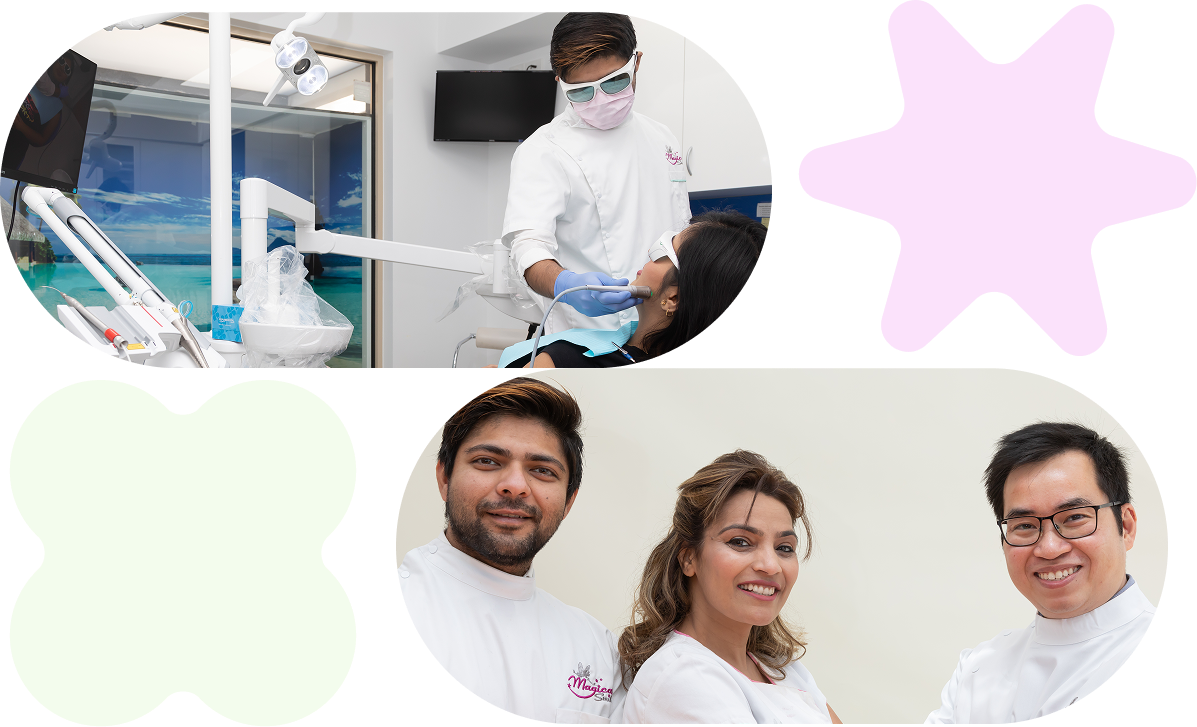
Patient-Focused Family Care
We know that every family member has different needs—from your toddler’s first visit to your teenager’s braces to Mum and Dad’s regular check-ups. That’s why our team takes time to get to know you and what matters to your family’s oral health.
Whether it’s calming a nervous child or helping an adult who hasn’t been to the dentist in years, we approach every appointment with patience and understanding. We take time with each patient and aim to create a welcoming environment.
Modern Dentistry with Comfort in Mind
Our Caroline Springs clinic is equipped with modern dental technology to support treatment precision and patient comfort. From digital imaging, which typically involves lower radiation than traditional X-rays, to laser dentistry that can help minimise discomfort during certain procedures, we use tools that support your wellbeing.
But technology is only part of the story. What really matters is how we use it: with care, skill, and your comfort as a priority. We’ll explain the process, check in with you during treatment, and aim to provide support throughout your care.
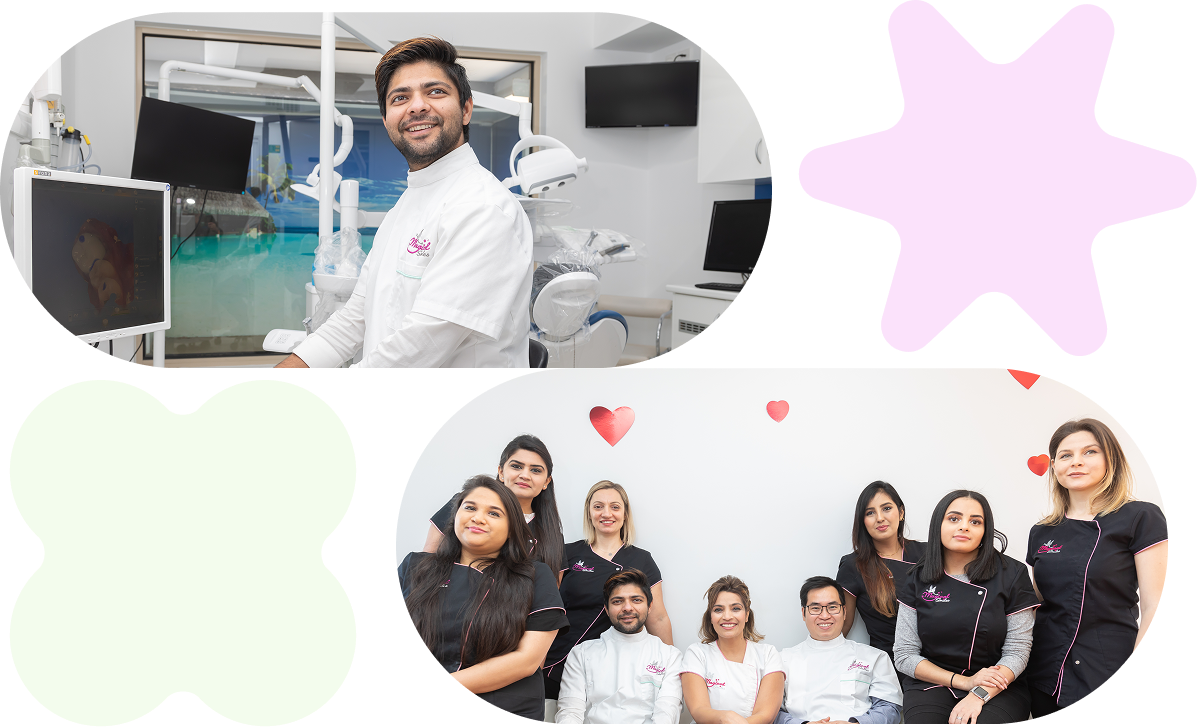

Transparent Communication and Clear Pricing
We provide treatment information and recommendations without pressure. We believe in giving you the accurate information you need—the options available, what each involves, and what you can expect—so you can make decisions that feel right for you and your budget.
Before any treatment begins, we’ll talk through the costs clearly and up front. We also offer flexible payment plans and other options to help make dental care more manageable. Your oral health matters, and we’ll work with you to find an approach that fits your circumstances.
Start Your Dental Care Journey With Us
Looking for a general dentist in Caroline Springs? Book an appointment to learn more about preventive and routine dental care that may help maintain your oral health over the long term.

Frequently Asked Questions
Your Extraction Questions Answered
How much does tooth extraction cost?
The tooth extraction cost in Caroline Springs varies depending on the complexity of the procedure and individual patient factors.
A simple extraction generally ranges from $180 to $350 per tooth, though this estimate may increase if additional anaesthesia is required. Surgical extractions and wisdom tooth extractions are more complex procedures and may cost between $450 and $700.
Factors that may affect your final cost include:
- Type of tooth being extracted:
Molars and wisdom teeth may require more time and skill compared to front teeth.
- Condition of the tooth:
Severely decayed or fractured teeth may require additional steps during extraction.
- Anaesthesia requirements:
The use of local anaesthesia, sedation, or general anaesthesia has different costs.
- Need for surgical intervention:
Impacted teeth or those requiring bone adjustment may increase costs.
- Your health fund cover:
The amount you pay out of pocket depends on your level of cover.
For an accurate estimate, we recommend booking a consultation so your dentist can assess your specific situation.
What happens during the extraction?
Understanding what occurs during a tooth extraction may help ease any concerns you have about the procedure. Here is what you can generally expect:
- Assessment and preparation:
Your dentist examines the tooth using X-rays to plan the extraction approach and identify any potential complications.
- Anaesthesia administration:
A local anaesthetic is injected near the tooth to numb the area. For surgical extractions, sedation or general anaesthesia may be used.
- Tooth loosening:
For simple extractions, a dental elevator instrument is used to loosen the tooth from the surrounding ligaments.
- Tooth extraction:
Once loosened, dental forceps are used to grip and extract the tooth from its socket.
- Socket cleaning:
The extraction site is cleaned of any debris or infection to promote healing.
- Bleeding control:
Gauze is placed over the socket, and you may be asked to bite down to encourage blood clot formation.
- Closure (if needed):
Surgical extractions may require stitches to close the incision in the gum tissue.
Each extraction is different, and your dentist will explain what to expect based on your specific circumstances. Post-extraction medications, such as antibiotics and pain relievers, may also be prescribed.
What happens after the extraction?
After your tooth is extracted, your body begins the healing process immediately. Here is what you can expect in the days following your procedure:
- Blood clot formation:
A blood clot forms in the empty socket within the first few hours. This clot is essential for protecting the underlying bone and nerve endings.
- Initial swelling and discomfort:
Some swelling and mild discomfort are normal in the first 24 to 48 hours. Cold compresses may help manage swelling.
- Gradual healing:
Over the next 7 to 10 days, gum tissue begins to heal over the extraction site. Granulation tissue forms to protect the area.
- Bone remodelling:
Complete bone healing may take several months as your jaw gradually fills in the empty socket.
- Tooth replacement options:
If needed, your dentist can discuss replacement options such as dental implants, bridges, or partial dentures to maintain tooth spacing and function.
Following your dentist’s aftercare instructions is important for supporting a smooth recovery. Recovery after wisdom tooth removal in Caroline Springs may take slightly longer than a simple extraction, so your dentist will provide specific guidance for your situation.
What are the alternatives to tooth extraction?
In some cases, alternatives to extraction may be considered if the tooth can be preserved. Your dentist will assess whether any of these options are suitable for your situation.
- Root canal therapy:
If the tooth pulp is infected but the tooth structure remains intact, it may help preserve the tooth. The infected tissue is cleaned out, and the tooth is sealed.
- Dental crown:
A crown may be placed over a damaged tooth to restore its structure and protect it from further damage.
- Dental filling:
For teeth with minor to moderate decay, a filling may address the issue without requiring extraction.
- Periodontal therapy:
For teeth affected by gum disease, periodontal therapy may help manage the condition and retain the tooth.
- Apicoectomy:
This surgical procedure may be an option when root canal therapy alone cannot address an infection at the root tip.
Your dentist will discuss these options with you and recommend the most appropriate approach based on your tooth’s condition.
Does tooth extraction hurt?
Many patients feel concerned about discomfort when visiting a dentist providing extractions in Caroline Springs. Local anaesthesia is administered before any extraction, which numbs the area around the tooth. During the procedure, you may feel pressure as the tooth is loosened and extracted, but you should not feel sharp pain.
For patients who experience dental anxiety, sedation options are available. These range from nitrous oxide (happy gas) to intravenous sedation and general anaesthesia. Your dentist can discuss which option may be appropriate for your situation.
After the anaesthesia wears off, some discomfort and tenderness are normal. Pain medication, whether over-the-counter or prescribed, can help manage post-procedure discomfort during your recovery.
What are the dos and don'ts after tooth extraction?
Following proper aftercare is important for supporting healing and reducing the risk of complications. Here are guidelines to follow after tooth removal in Caroline Springs:
Dos:
- Bite on gauze:
Keep the gauze pad in place for the time recommended by your dentist to encourage blood clot formation.
- Apply cold compresses:
Use an ice pack on your cheek for 10 to 20 minutes at a time during the first 24 hours to help manage swelling.
- Rest adequately:
Avoid strenuous activity for at least several days to allow your body to focus on healing.
- Eat soft foods:
Stick to soft foods such as yoghurt, soup, and mashed vegetables for the first few days.
- Keep your head elevated:
Prop it up with pillows while sleeping to help reduce swelling.
- Rinse with salt water:
After 24 hours, rinse the area with warm salt water to keep it clean.
- Take prescribed medications:
Follow your dentist’s instructions for any pain relief or antibiotics prescribed.
Don’ts:
- Avoid using straws:
The sucking motion can dislodge the blood clot and lead to dry socket.
- Don’t smoke:
Smoking can delay healing and increase the risk of complications such as infection and dry socket.
- Avoid touching the site:
Do not touch the extraction site with your tongue or fingers.
- Don’t rinse vigorously:
Forceful rinsing in the first 24 hours can disturb the blood clot.
- Avoid hard or crunchy foods:
These may irritate or damage the healing socket.
- Don’t skip follow-up appointments:
Attend any scheduled check-ups so your dentist can monitor your healing.
How long does it take to recover from a tooth extraction?
Recovery time after tooth extraction in Caroline Springs varies from person to person. For most patients, initial healing takes approximately 7 to 10 days, during which the gum tissue closes over the extraction site.
Factors that may affect recovery time include:
- Type of extraction:
Simple extractions generally heal faster than surgical extractions or wisdom tooth extractions.
- Number of teeth extracted:
Multiple extractions may require a longer recovery.
- Location of the tooth:
Back teeth (molars) may take longer to heal than front teeth.
- Overall health:
General health conditions, such as diabetes, may affect healing time.
- Age:
Younger patients may experience faster healing compared to older adults.
- Oral hygiene:
Following proper aftercare instructions can support timely healing.
- Lifestyle factors:
Smoking and alcohol consumption can delay healing and increase the risk of complications.
Complete bone healing beneath the gum may take several months. Your dentist will provide guidance specific to your situation.
What is the common pain relief after tooth extraction?
After tooth extractions in Caroline Springs, managing discomfort is an important part of recovery. Your dentist may recommend or prescribe medication based on the complexity of your extraction.
- Over-the-counter pain relievers:
Non-prescription medications may help manage mild to moderate discomfort after simple extractions.
- Prescription pain medication:
For more complex surgical extractions, your dentist may prescribe stronger pain relief for the first few days.
- Cold compresses:
Applying an ice pack to the outside of your cheek can help reduce both swelling and discomfort.
- Saltwater rinses:
Rinsing with warm salt water (after the first 24 hours) can help keep the area clean and may provide some relief.
Always follow your dentist’s instructions regarding medication dosage and timing. If your pain does not improve or worsens after a few days, contact your dental team for advice.