


Gum Disease Management Services
Laser Gum Treatment in Caroline Springs for Gum Disease Management
About LAPT
What is Laser-Assisted Periodontal Therapy (LAPT)?
Laser-Assisted Periodontal Therapy (LAPT) is a treatment approach that uses focused light energy to address periodontal disease. This method may help manage gum infections and support gum tissue health when used alongside comprehensive periodontal care. LAPT can target affected areas with precision, designed to focus on them. Individual treatment experiences vary.
The procedure uses laser energy designed to target bacteria in periodontal pockets and is intended to help manage inflammation in gum tissues. Individual outcomes vary. Laser periodontal treatment in Caroline Springs is typically performed as part of a broader gum disease management plan that includes ongoing hygiene and maintenance.
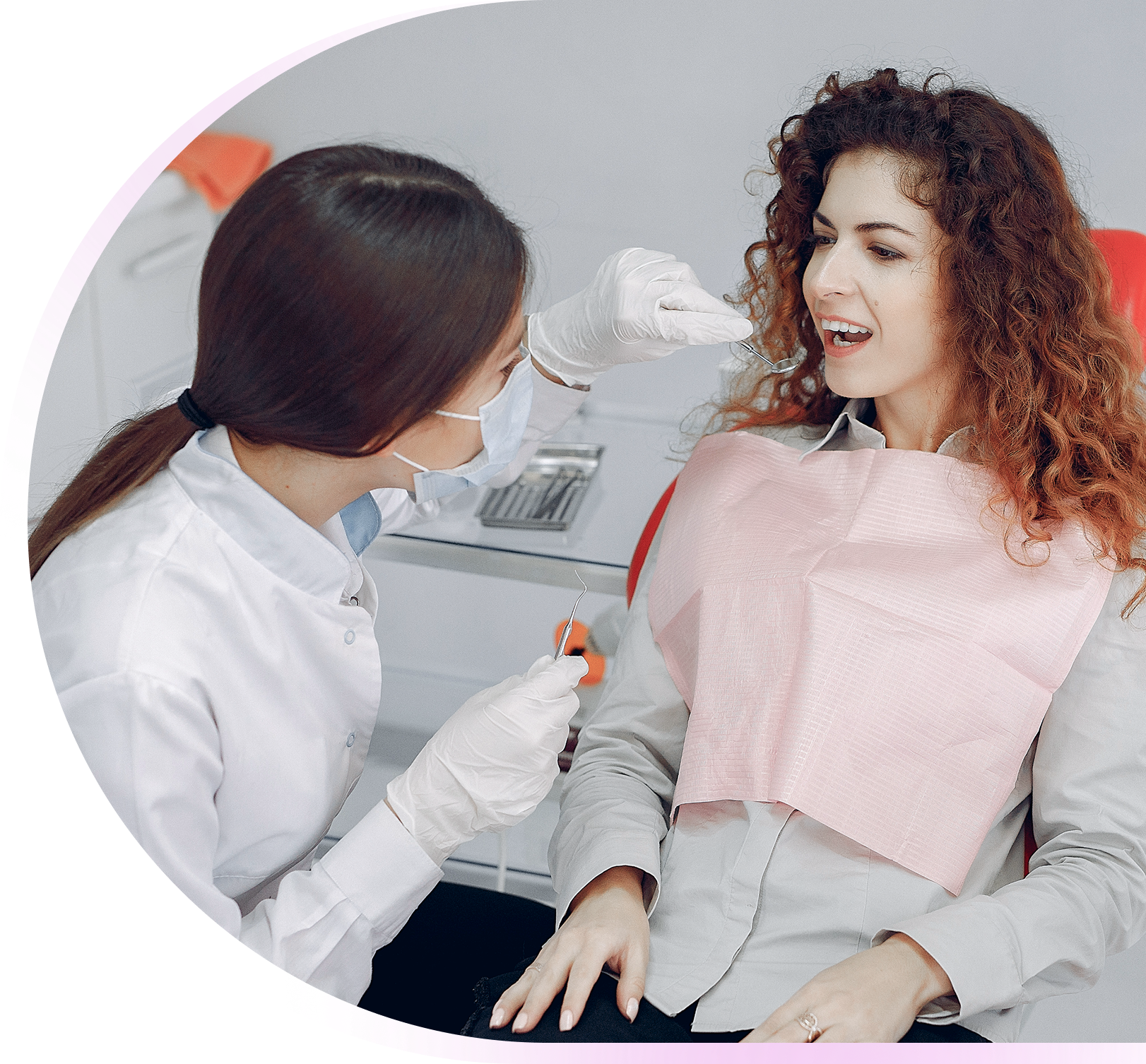
Gum Conditions LAPT Is Designed to Address

Moderate to Severe Periodontitis
When gum disease has progressed beyond the early stages, LAPT may be recommended to manage moderate to severe periodontitis and support gum tissue health.

Deep Periodontal Pockets
Deep pockets between teeth and gums can harbour bacteria, making cleaning difficult. LAPT may help address these deeper pockets as part of comprehensive gum disease treatment in Caroline Springs.

Unresponsive to Conventional Treatment
Some periodontal conditions may not respond adequately to scaling and root planing alone. In these cases, LAPT might be considered as an additional treatment option.

Gum Disease with Bone Loss
When gum disease has affected the bone supporting your teeth, LAPT may be considered as part of a treatment plan. It helps manage the condition and support remaining bone health.
Modern Dental Technology
Why Choose Us
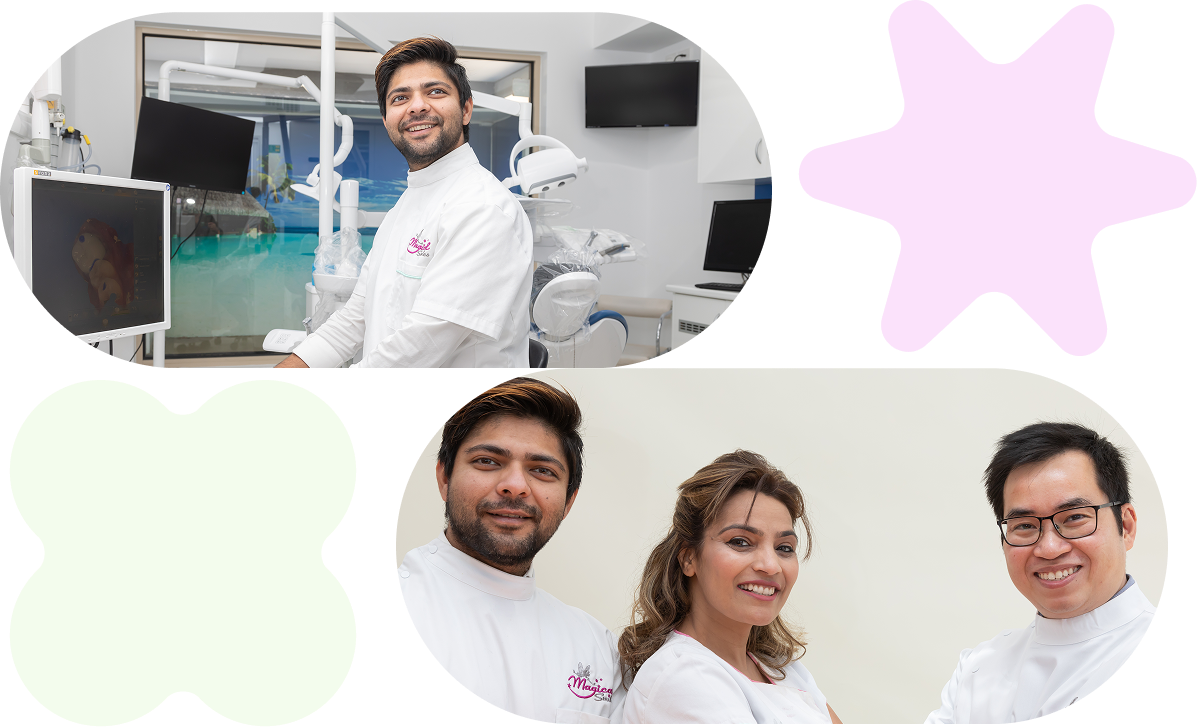
A Comfortable Approach to Treatment
Dental lasers work by targeting specific areas with focused light energy, which can help reduce the need for traditional cutting tools in some procedures. Laser dentistry can be particularly helpful for soft tissue procedures like gum contouring, managing gum disease, or addressing mouth sores.
While every case is different, many patients report feeling comfortable with laser treatment. However, individual recovery experiences vary depending on the procedure and your specific condition. We’ll always discuss what’s suitable for you and what you can realistically expect.
Targeted Precision for Focused Treatment
One of the key benefits of laser dentistry is how precise it can be. The laser targets only the affected area, which often helps preserve surrounding healthy tissue. This focused approach means we can address specific concerns while minimising impact on the rest of your mouth.
Whether it’s reshaping gum tissue or supporting healing after a procedure, the laser allows us to work with focused accuracy that may support your treatment goals. You’ll still receive a full explanation of your treatment beforehand, and we’ll answer any questions you have about how the laser works and what to expect.
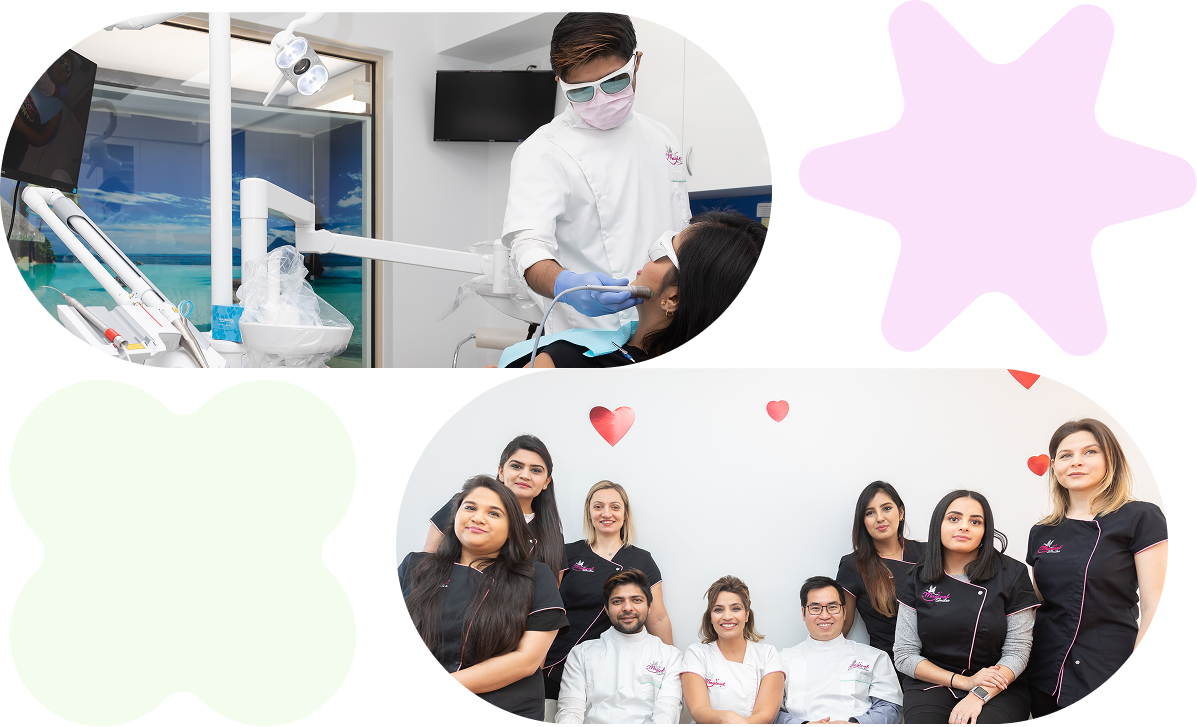
Clear Communication About Your Options
We know laser dentistry might be new to you, and it’s natural to have questions. Is it suitable for your condition? How does it feel? What’s the recovery like? We take time to walk you through these details before treatment begins, so you feel informed and comfortable with the approach.
Not every condition requires laser treatment—sometimes traditional methods are more appropriate. We’ll recommend appropriate treatments for your specific needs and explain why, giving you the full picture so you can make confident decisions about your care. Your comfort and understanding matter to us.
Learn if Laser Dentistry Is Right for You

Frequently Asked Questions
About Laser Gum Treatment
We understand you may have questions about laser gum treatment in Caroline Springs. Here are answers to common enquiries about LAPT, what to expect, and how this approach differs from traditional periodontal treatment methods.
Am I a candidate for laser gum treatment?
Suitability for laser gum disease treatment in Caroline Springs depends on several factors related to your oral health and the extent of your periodontal condition. Your dentist will assess these considerations during your consultation:
- Gum disease severity:
The extent and progression of your periodontal condition will determine if laser treatment is appropriate.
- Pocket depth:
Deeper pockets between your teeth and gums may indicate the need for more advanced treatment.
- Previous treatment response:
Your dentist will consider how your gums have responded to earlier periodontal care.
- Overall health:
Certain health conditions may affect healing and the suitability of treatment.
- Receding gums:
Gum recession or other periodontal concerns will be evaluated.
During your consultation, your dentist will examine your gums, measure pocket depths, and may take X-rays to assess bone levels. They’ll discuss whether laser gum surgery in Caroline Springs is appropriate for your situation, or whether other options might be more suitable, as not all periodontal conditions require laser treatment.
How much does laser gum treatment cost in Caroline Springs?
The cost of laser gum treatment in Caroline Springs starts at $680 for initial treatment. Total costs vary depending on the extent of periodontal disease, the number of treatment areas, additional procedures required, and follow-up appointments. A complete cost breakdown will be provided during your consultation. Several factors can influence your total treatment cost, such as the following:
- Number of treatment areas:
The extent of gum disease and the number of areas requiring attention may affect overall costs.
- Additional procedures:
If you need other periodontal services beyond LAPT, these will be discussed separately.
- Follow-up appointments:
Ongoing maintenance visits help support long-term periodontal health.
We provide transparent pricing information before you proceed with any treatment. Our team can discuss payment options, including payment plans(subject to approval), to help make your care more manageable. During your consultation, we’ll provide a complete cost breakdown tailored to your treatment plan so you can make decisions about your periodontal health.
Is laser gum treatment covered by health funds?
Health fund cover for laser gum treatment depends on your specific policy and level of cover. Many health funds provide some cover for periodontal treatment under major dental services, though the amount varies considerably between policies. We recommend contacting your health fund directly to understand the following:
- Whether your policy covers periodontal treatment procedures.
- The percentage of the cost your fund may contribute.
- Whether you have waiting periods for major dental services.
- Your annual limits for dental cover.
Our team can provide you with item codes and treatment details to help you enquire with your health fund. Understanding your cover beforehand helps you plan for any out-of-pocket expenses.
Is laser gum treatment painful?
Discomfort levels vary between patients during laser gum treatment. Local anaesthetic is typically used to help manage any discomfort during the procedure.
Some report that LAPT in Caroline Springs procedures feel comfortable. The laser’s precision is designed to target specific areas. Individual experiences with discomfort vary, and outcomes cannot be predicted.
After your procedure, you might notice the following:
- Mild tenderness in the treatment areas for a few days.
- Sensitivity when consuming hot or cold foods temporarily.
- Minor swelling that typically subsides within a few days.
Your dentist will discuss what to expect regarding comfort levels and can recommend appropriate over-the-counter options to manage any post-treatment tenderness. Most patients can return to their regular activities soon after treatment, though individual experiences vary. If you have concerns about discomfort, please discuss these with your dentist during your consultation.
What are the benefits of laser gum treatment?
Laser gum treatment in Caroline Springs offers several potential advantages when addressing periodontal disease, though individual outcomes vary. Here are some benefits that patients may experience:
- Targeted precision:
The laser allows your dentist to focus treatment on affected areas whilst minimising impact on healthy gum tissue.
- Reduced discomfort:
Many patients report less discomfort during and after the procedure compared to traditional gum surgery.
- Less bleeding:
The laser’s precision is designed to target specific areas. Bleeding during treatment varies between individuals.
- Recovery Time:
Recovery times vary between individuals. Some patients report returning to normal activities relatively quickly, though this depends on the extent of treatment and individual healing response.
- Bacterial reduction:
Laser technology may more effectively reduce bacteria in periodontal pockets than some traditional cleaning methods.
- Minimally invasive approach:
The procedure usually causes less disruption to surrounding tissues, which may support a more comfortable healing process.
These potential benefits make laser gum surgery in Caroline Springs a viable option for eligible patients. However, treatment success depends on various factors, including the severity of your gum disease, your oral hygiene habits, and your commitment to ongoing periodontal maintenance. Your dentist will discuss realistic expectations for your specific situation during your consultation.
What are the disadvantages of laser gum treatment?
Whilst laser gum treatment offers several advantages, it’s important to understand potential limitations and considerations, such as the following:
- Not suitable for all cases:
Some periodontal conditions may respond better to conventional treatment methods or require alternative approaches.
- May require additional procedures:
Depending on the severity of gum disease, you may still need traditional surgical techniques or additional treatments.
- Requires ongoing maintenance:
Results depend significantly on maintaining proper oral hygiene habits and attending regular dental visits after treatment.
- Limited availability:
The procedure requires special laser equipment and trained practitioners, which may not be available at all dental clinics.
Additionally, laser gum treatment is not a one-time option for gum disease. Ongoing maintenance, regular dental visits, and careful home care remain essential for long-term periodontal health. Some patients may require multiple treatment sessions, depending on the severity of their gum disease.
Your dentist will discuss whether laser treatment is the most appropriate option for your situation or if alternative approaches might be more suitable. We believe in transparency about both the potential benefits and limitations of any treatment we recommend, helping you make the right decisions about your periodontal care.
Who can perform LAPT to address gum disease?
Laser-Assisted Periodontal Therapy in Caroline Springs can be performed by registered dentists who have received appropriate training in laser dentistry techniques. During your consultation, you can ask your dentist about their experience with laser periodontal procedures and their approach to managing gum disease.
Our team is happy to discuss their training, experience, and how they’ll work with you to address your periodontal health concerns. We believe patients should feel secure in their dental team’s capabilities when considering any treatment option.
What should I not do after laser gum treatment?
Following your laser gum treatment, certain activities should be avoided to support proper healing and reduce the risk of complications. Your dentist will provide specific aftercare instructions, but here are general guidelines, such as the following:
For the first 24-48 hours after treatment
- Avoid vigorous rinsing or spitting, which may disturb the treatment area.
- Do not consume very hot foods or beverages, as they may irritate the treatment tissues.
- Avoid hard, crunchy, or sticky foods that might put pressure on your gums.
- Refrain from smoking, as tobacco use can significantly impair healing.
- Do not drink alcohol, which can interfere with healing processes.
- Avoid touching or prodding the treatment areas with your tongue or fingers.
For the first week following treatment
- Do not skip your oral hygiene routine, but be careful around treatment areas.
- Avoid strenuous physical activity that could raise blood pressure or cause bleeding.
- Do not use a straw, as the suction action may disturb healing tissues.
Your dentist will provide detailed instructions specific to your treatment and may recommend a special mouthwash or other products to support healing. Follow-up appointments are important for monitoring your progress, so please attend them as scheduled. If you experience unusual symptoms or have concerns during your recovery, contact our clinic for guidance.