


Information About Veneers
Veneer Treatment Information from Our Caroline Springs Dental Team
Dental Veneers and Their Role in Cosmetic Dentistry
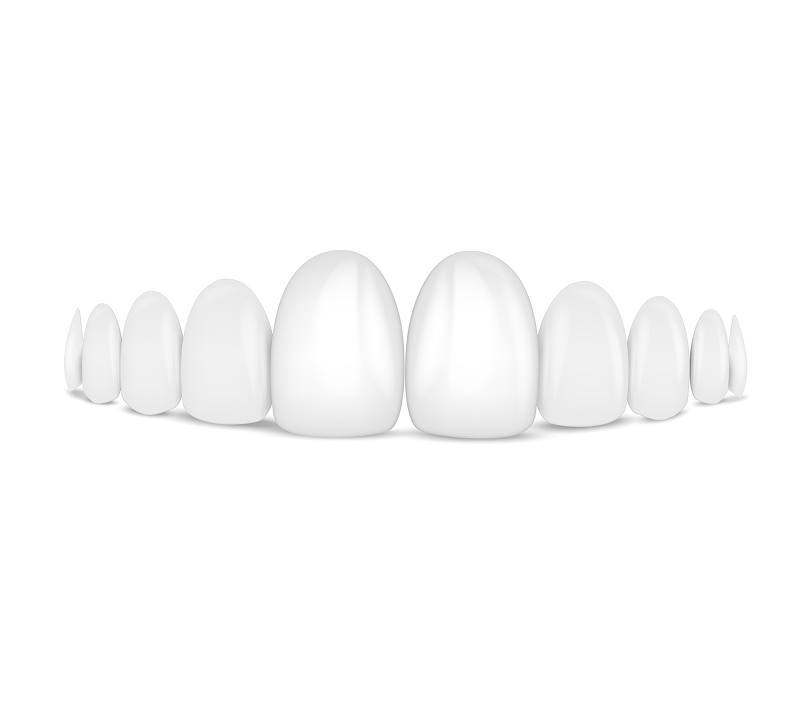
Dental veneers are thin, custom-made shells that cover the front surface of teeth to improve their overall appearance. Many people choose veneers to address cosmetic concerns such as discolouration, chips, or uneven teeth. Your dentist will carefully assess your needs and discuss all suitable options before recommending this treatment.
Is Veneer Treatment Right for You?
- Veneers may be considered for individuals with chipped, cracked, or worn teeth who are looking for a durable, natural-looking restoration.
- They can benefit patients with noticeable spaces or uneven gaps between teeth, helping to create a more balanced smile.
- Veneers may be considered for teeth affected by intrinsic stains or discolouration that do not respond to professional whitening procedures.
- They may also be suitable for individuals with minor misalignment, irregularly shaped teeth, or slight crowding, offering an alternative to orthodontic treatment.
What Veneers May Offer for Tooth Appearance
- Veneers can improve the appearance of teeth affected by chips, cracks, or wear, which may create a smoother, balanced smile.
- They may provide a long-lasting approach for stubborn stains and discolouration that do not respond to whitening, and can offer improved brightness and consistency in some cases.
- Veneers may improve overall smile balance by closing gaps, refining shape, and enhancing symmetry for a more harmonious appearance.
- They also provide a conservative alternative to crowns, preserving more natural tooth structure while aiming for durable, aesthetic results.
How the Veneers Process Works

Step 1
Step 1
Initial Consultation and Smile Assessment

Step 2
Step 2
Tooth Preparation and Digital Impressions

Step 3
Step 3
Veneer Placement and Final Smile
Our Approach to Veneer Treatments
Information About Veneer Options in Caroline Springs
Tailored Veneer Treatment Planning
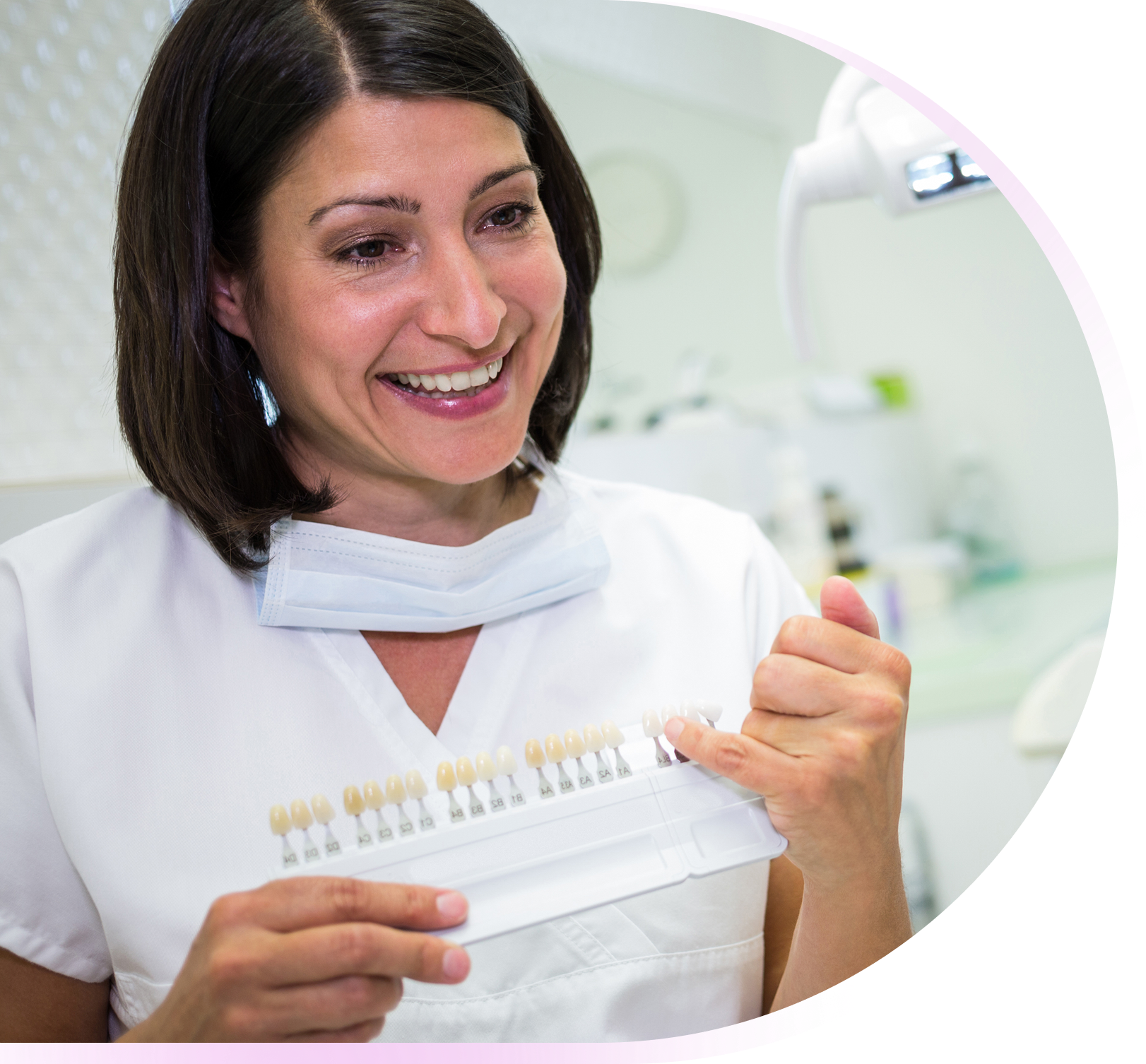
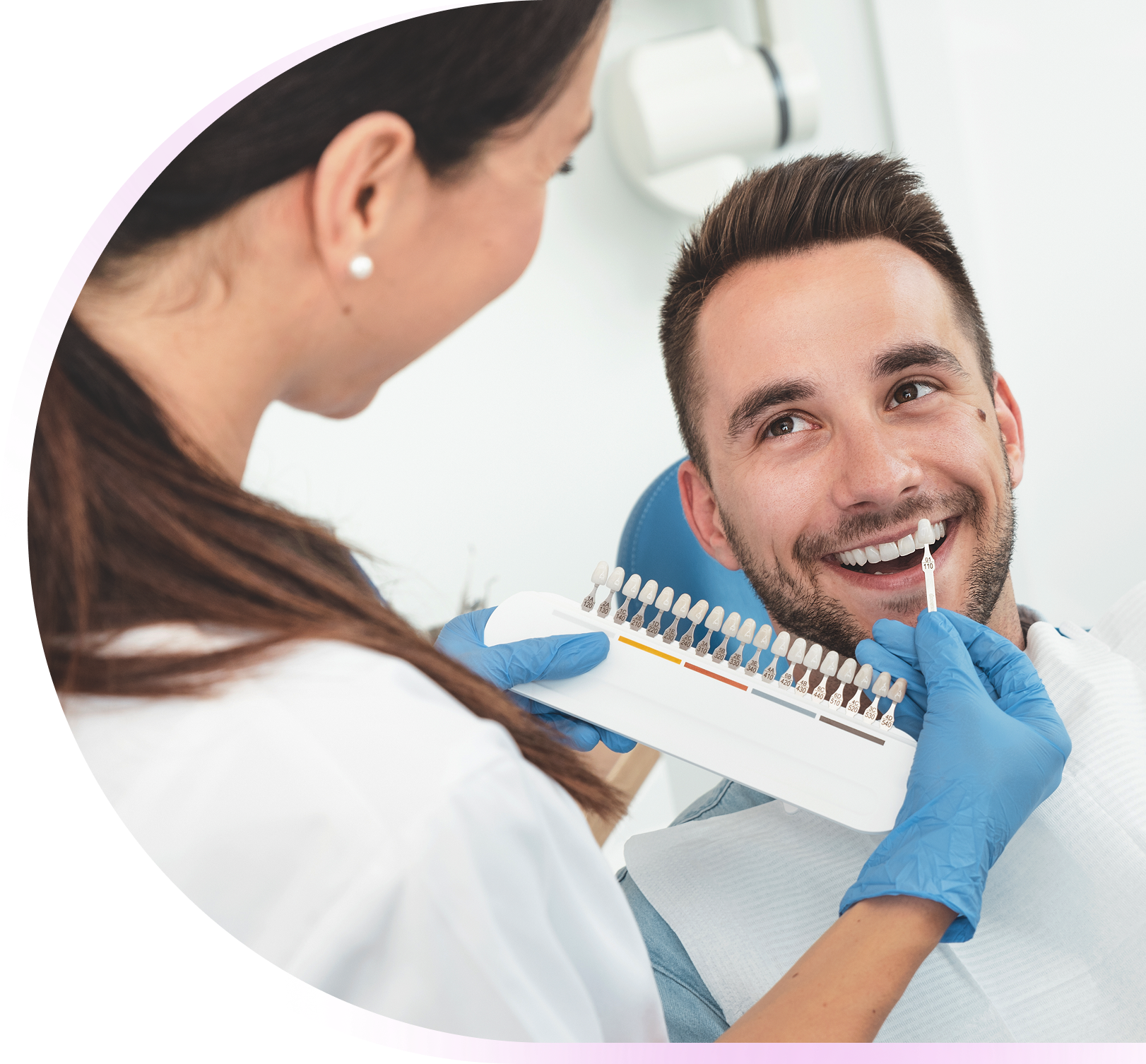
Veneers may be considered for improving the appearance of teeth with discolouration, chips, or gaps. At Magical Smiles Caroline Springs, we offer both porcelain and composite veneers. Each type of veneer is custom-designed and shade-matched for seamless integration with your natural teeth. Suitability for this treatment depends on oral health condition and treatment needs.
Your treatment begins with a discussion of your goals, followed by taking impressions and assessing whether porcelain or composite is appropriate for your needs. You will be guided through each stage of the process with timely and relevant information.
Experience in Providing Veneer Treatments
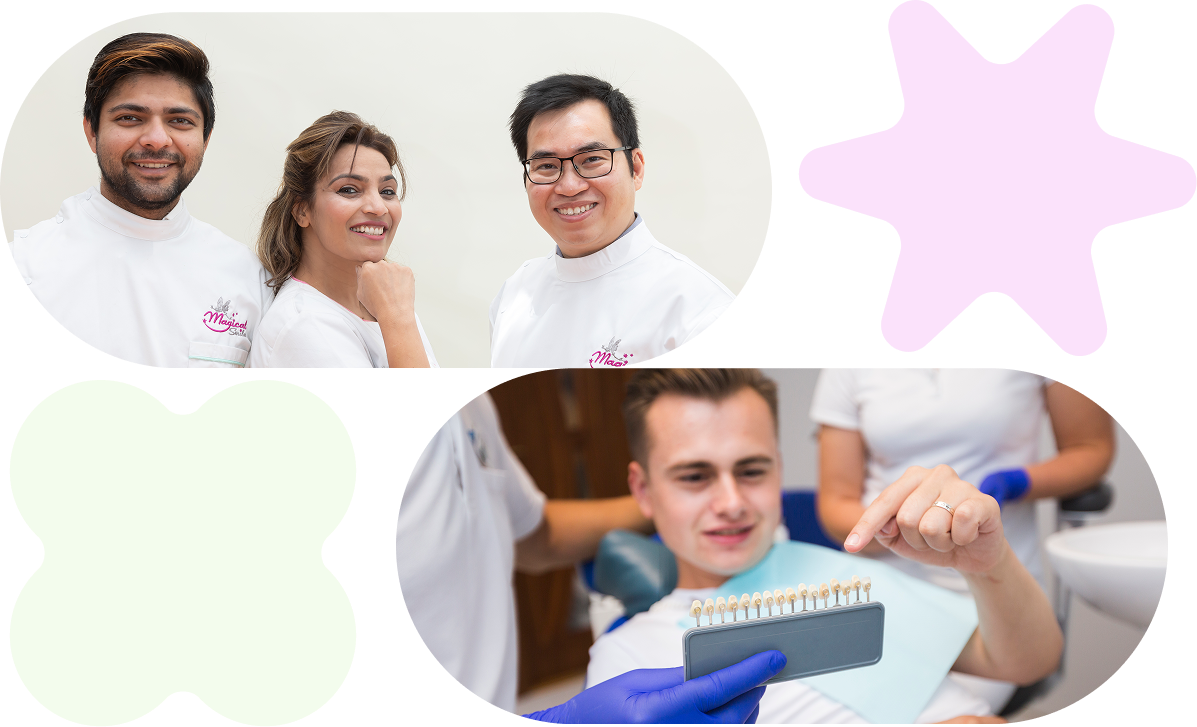
Dr. Rachna Yadav has over two decades of experience providing cosmetic dental treatments, including veneers and smile-related procedures.
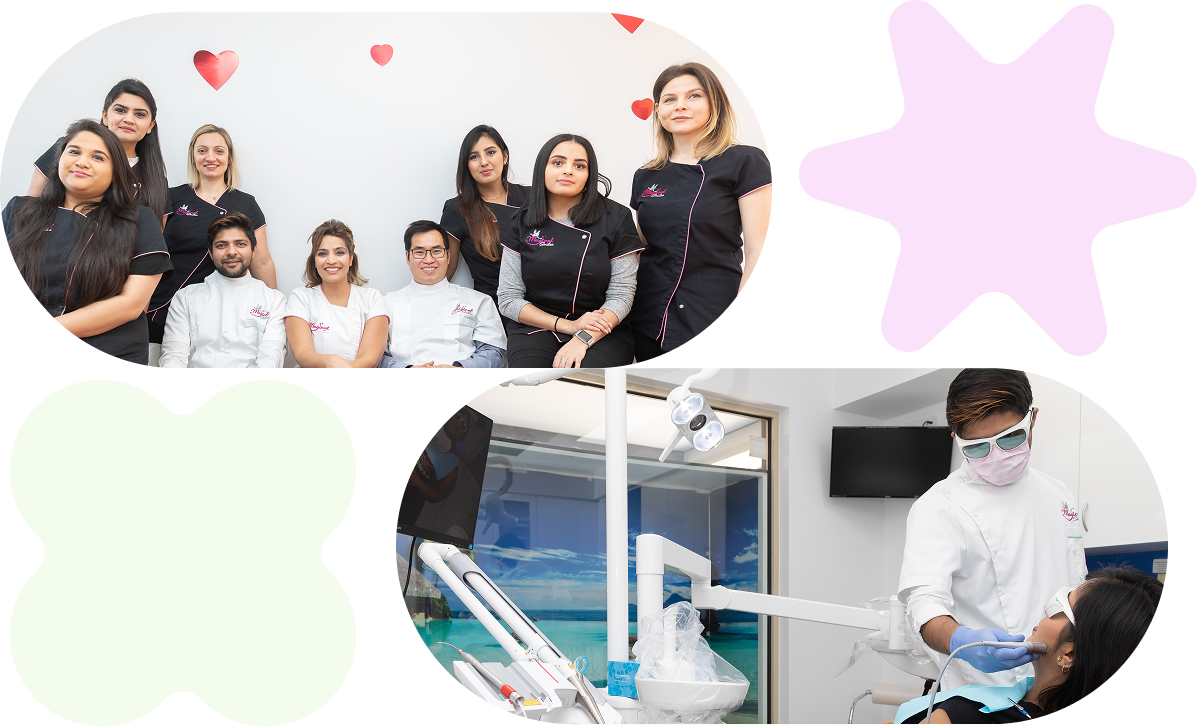
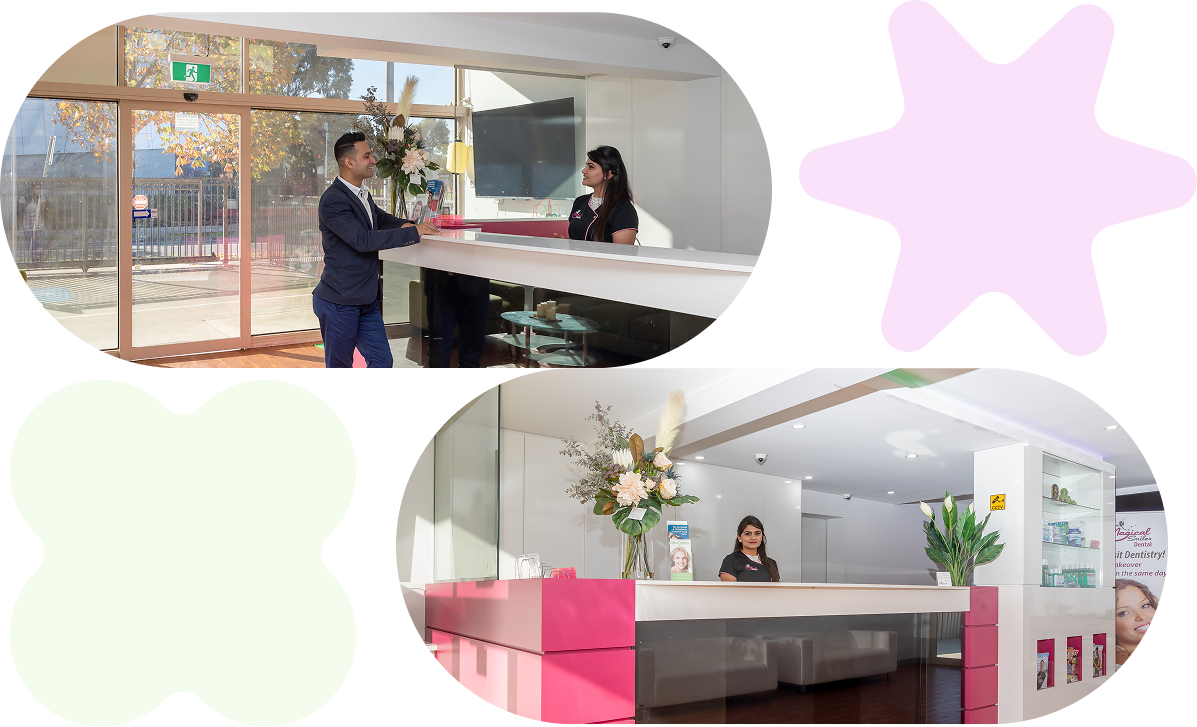
At Magical Smiles Caroline Springs, our team aims to provide a supportive environment where patients can ask questions and discuss treatment options. Our team takes pride in creating a comfortable space. Here, you can ask questions, explore your options, and feel supported at every stage of your dental treatment.
Convenient, Flexible Payment Options
Veneers Treatment Pricing

Composite Veneers
Composite veneers are an affordable cosmetic option for patients seeking to improve their smile. They offer a natural look at a lower starting price than porcelain, making them an accessible choice for many patients.
From$695
This price includes the consultation, precise shade matching, and professional placement by our experienced dental team.
Final costs can vary depending on the number of dental veneers required, bite alignment, and the complexity of your smile goals.
Composite veneers may require occasional polishing or replacement over time, which can influence your overall long-term treatment costs.

Porcelain Veneers
Porcelain veneers offer a high-quality cosmetic option tailored to your needs. Costs are carefully calculated to suit your treatment plan, with all fees discussed upfront to provide clarity before the procedure.
From$1,700
Porcelain veneers in Caroline Springs usually range from $1,700 to $1,800 each, depending on your treatment needs.
Pricing includes your initial consultation, detailed smile planning, and precision-designed veneers from a dental laboratory.
The total treatment cost can vary based on the number of veneers required and the complexity of your desired smile enhancements.
**Final cost depends on the number of teeth involved, the extent of preparation required, and the complexity of your case. All fees will be discussed in full during your consultation.
Payment Options
Flexible Payment Options to Make Dental Care More Accessible
We believe everyone deserves access to dental care, which is why Magical Smiles Caroline Springs offers a range of flexible payment options to help make your treatment more manageable. We’ll go through all the terms and details with you at your consultation.
Whether you’re coming in for a routine checkup or planning a more involved procedure, we’ll walk you through the costs clearly and help you choose a payment method that works for your budget.

We welcome all major health funds at our dental clinic. Our team can help you maximise your benefits and claim on the spot with HICAPS for a more streamlined experience.

Afterpay allows eligible patients to pay for approved dental treatments in four interest-free instalments over six weeks. Terms and eligibility criteria apply.

National Dental Plan (NDP) offers interest-free payment plans to help you access dental treatment now and pay over time. These plans are available at participating clinics like Magical Smiles Caroline Springs. Terms and conditions apply.

SuperCare is a third-party service that assists with applications for early release of superannuation funds. Some patients may explore early access to superannuation for dental treatment costs. This is an individual financial decision regulated by the ATO. We recommend consulting independent financial advice before proceeding. Our team does not provide recommendations regarding superannuation access. Approval depends entirely on ATO criteria and your individual circumstances.

The Child Dental Benefits Schedule (CDBS) provides eligible children aged 0–17 with up to $1,158 in dental care over two years (cap amount is indexed yearly on 1 January). It helps families access basic dental services with no out-of-pocket costs.
Frequently Asked Questions
Common Patient Questions Answered Here
Is getting veneers painful?
Patients often ask whether veneer treatment causes discomfort. Thanks to modern techniques and effective anaesthesia, the procedure is generally well tolerated. Careful planning, precise treatment, and clear aftercare instructions further support comfort before, during, and after each stage of care.
Before Treatment: Comfort Planning and Preparation
- Thorough Consultation and Assessment:
Your dentist will assess your oral health, discuss your smile goals, and explain the procedure so you know exactly what to expect.
- Tailored Pain Management Plan:
If enamel reduction is required, your dentist will plan for pain management and will aim to keep you comfortable.
During Treatment: Precision and Pain Control
- Use of Local Anaesthetic:
The treatment area is numbed with local anaesthetic, so you should not feel pain during tooth preparation.
- Minimally Invasive Preparation:
A thin layer of enamel is carefully removed with modern instruments designed to reduce vibration and enhance comfort.
- Calm and Steady Procedure:
Your dentist will proceed with care, monitoring your comfort throughout the procedure and promptly addressing any unusual sensations.
After Treatment: Recovery and Care
- Mild, Temporary Sensitivity:
Some patients experience slight sensitivity to hot or cold foods for a few days, which typically subsides on its own.
- Post-Treatment Care Instructions:
Your dentist will provide guidance on brushing, eating, and avoiding certain habits to protect your veneers and reduce discomfort.
- Follow-Up Check:
At your follow-up appointment, your dentist will assess the fit of the veneers and confirm that you are adjusting well without persistent discomfort.
Most patients report little to no pain, though some may experience temporary sensitivity. With a skilled dentist, use of anaesthesia, and proper aftercare, most patients find the process comfortable and straightforward.
What are the different types of veneers?
Dentists provide several veneer materials to match each patient’s needs. Porcelain and composite veneers are the two most common options. Below, you will find details about these veneer types your dentist may recommend after assessing your smile:
- Porcelain veneers in Caroline Springs are thin, durable ceramic shells designed to closely match the natural colour of your teeth. They are resistant to staining with proper oral care, and your dentist will customise their shape and size to enhance your smile.
- Composite veneers are created using tooth-coloured resin that is applied directly to the teeth, then carefully sculpted and polished for a natural appearance. They are often completed in a single visit, and your dentist will determine whether they are suitable for your needs and expectations.
The choice between porcelain and composite veneers depends on your oral health and aesthetic goals. Both options can enhance your smile, and your dentist will outline their advantages and limitations. This allows you to proceed with the option most suitable for your oral health and goals.
What are the disadvantages of veneers?
It is important to weigh these factors alongside the potential benefits to determine if veneers are the right option for your aesthetic needs. Here are the disadvantages of veneers, explained clearly and with consideration of both patient expectations and clinical realities:
- Irreversible Tooth Preparation:
The process of placing veneers often involves removing a thin layer of enamel. Once it is removed, enamel does not grow back, making this process irreversible.
- Potential for Increased Tooth Sensitivity:
Some patients may experience heightened sensitivity to hot or cold temperatures after veneer placement due to enamel reduction.
- Risk of Chipping or Fracture:
Although veneers are durable, they can chip or crack under excessive force, such as biting hard objects or grinding teeth.
- Colour Mismatch Over Time:
Veneers retain their original colour once bonded; however, if surrounding natural teeth become stained over time, a shade mismatch may occur.
- Possible Need for Replacement:
Veneers can last for years with the right care. However, over time, they may need replacement due to wear or damage.
Veneers can enhance a smile, but it is important to understand their potential drawbacks before treatment. Discussing these factors with your dentist helps you decide on a dental treatment that suits your needs and oral health.
What are the alternatives to veneers?
When considering ways to improve your smile, it is important to explore all the available options before deciding on veneers. Various treatments can address cosmetic and functional dental concerns, and the most suitable option will depend on your oral health. Below are common alternatives to veneers that may be worth considering:
- Dental Bonding:
Dentists use a tooth-coloured resin to restore chips, fill small gaps, or improve the shape of teeth. This option is less invasive than veneers and can often be completed in a single appointment.
- Teeth Whitening:
Professional whitening treatments can lighten natural tooth colour and address discolouration caused by food, drinks, or ageing. Whitening does not change tooth shape or position, but it can brighten your smile.
- Orthodontic Treatment:
Braces or clear aligners can gradually move teeth into better alignment, improving function and aesthetics. This approach addresses the misalignment itself rather than masking it.
- Dental Crowns:
Crowns fully cover the tooth and can restore its shape, size, and strength. They are often recommended when a tooth has significant structural damage or decay in addition to cosmetic concerns.
- No-Treatment Option:
In some cases, choosing not to alter the teeth and focusing on preventive care is a suitable option. Regular checkups, good oral hygiene, and healthy lifestyle choices can help keep natural teeth in good condition.
Choosing the right alternative to veneers depends on your dental needs, lifestyle, and long-term goals. If you’re exploring ways to improve your smile, consider cosmetic dentistry in Caroline Springs. A qualified dentist can assess your needs and recommend treatments that align with your personal preferences.
What are the side effects & risks of veneers?
Dental veneers in Caroline Springs are a popular cosmetic option, but, like any dental procedure, they carry potential side effects and risks. Understanding these factors can help patients decide on the most appropriate treatment for their situation and set realistic expectations. While most people tolerate veneers well, individual experiences can vary based on oral health, lifestyle, and treatment aftercare. Below are some risks and considerations associated with dental veneers:
- Tooth Sensitivity:
Some patients may experience increased sensitivity to hot or cold foods and beverages after receiving veneers. This is due to the removal of a thin layer of enamel during preparation. However, this sensitivity often improves over time.
- Gum Irritation:
The gum tissue around veneered teeth can become irritated, especially in the days following treatment, as it adjusts to the new veneers. Maintaining good oral hygiene can help reduce this risk.
- Chipping or Cracking:
Veneers are made from durable materials, but can chip or crack when subjected to excessive force. This may occur from biting hard foods, chewing ice, or using teeth to open packaging.
- Colour Mismatch Over Time:
Veneers do not change colour, but surrounding natural teeth may stain. This staining may create a noticeable difference in shade. Professional cleaning and limiting staining habits, such as excessive coffee, wine, or tea consumption, can help maintain a uniform appearance.
- Irreversible Enamel Removal:
Placing veneers requires removing a thin layer of tooth enamel, a procedure that is irreversible. This means the tooth will always require a restoration once prepared.
- Potential for Replacement:
Veneers are long-lasting, but they may require replacement after several years of use. Replacement may be needed due to wear, damage, or changes in the gum tissues over time.
Patients can weigh the benefits of veneers against potential drawbacks when they understand the associated risks and side effects. They can then work with their dentist to plan treatment that most appropriately suits their needs and oral health.
How long do veneers last?
Veneers can last for years, but their durability depends on factors such as material type and maintenance. Proper care and regular dental checkups help maintain veneers and extend their lifespan. Below are the key points that explain how long veneers can last and what can influence their longevity:
- Average Lifespan of Porcelain Veneers:
Porcelain veneers can usually last 12 to 25 years when maintained with good oral hygiene and regular dental checkups.
- Average Lifespan of Composite Veneers:
Composite veneers generally last around four to eight years, as the material is more prone to wear and staining than porcelain.
- Importance of Oral Hygiene:
Brushing twice and flossing once daily helps maintain the integrity of veneers and prevents decay around the edges. Regular professional dental cleanings support the longevity of veneers by keeping surrounding teeth and gums healthy.
- Impact of Lifestyle Habits:
Teeth grinding, biting hard objects, or chewing ice can damage veneers over time. These habits may cause cracks or chips.
- Role of Regular Dental Checkup:
Scheduling regular dental assessments allows your dentist to monitor the condition of your veneers and address any issues early.
With proper care and professional maintenance, veneers may provide a long-lasting enhancement to your smile while maintaining their function and appearance.
Do my teeth need to be shaved to get veneers?
For some patients, no-prep or minimal-prep veneers can be an option. These types of veneers preserve more of the natural enamel and may work well if your teeth already have the desired shape and alignment. Your suitability for this approach will depend on factors assessed during your consultation. A thorough examination helps determine whether this can improve your smile’s function, aesthetics, and long-term oral health.
What's better for me: porcelain or composite veneers?
Porcelain veneers are made from a strong ceramic material that closely mimics the natural look of tooth enamel. They are more stain-resistant and can last longer than composite veneers with proper oral care. However, porcelain veneers require more tooth preparation, including the removal of a thin layer of enamel before placement. They also cost more upfront, but their durability can make them a long-term investment.
Composite veneers are made from a tooth-coloured resin material that can be shaped directly onto your teeth in one visit. They typically cost less initially and require minimal tooth structure removal before application. However, they can be more prone to staining and may not last as long as porcelain. Your dentist will assess your smile goals, oral health, and budget to recommend the most suitable option.
How long does a veneer procedure take?
The time required for a veneer procedure depends on the type of veneers and the number of teeth involved in the treatment. It also depends on whether you need any pretreatment procedures before the veneers are placed. Most patients can expect the process to be completed over two to three dental visits, spread across a few weeks. Below is a breakdown of the typical timeline so you know what to expect before starting treatment.
- Initial Consultation and Smile Planning:
Your dentist assesses your oral health, discusses your goals, and recommends the type of veneer suited for your needs. This appointment usually takes 45 to 60 minutes and may include photographs, X-rays, or digital scans to plan your new smile.
- Tooth Preparation and Impressions:
The dentist removes a thin layer of enamel from the front of the teeth to make space for the veneers. Digital or physical impressions are taken to create custom veneers that match your tooth shape, size, and colour. This visit may take one to two hours, depending on how many teeth are being prepared.
- Temporary Veneers:
If significant enamel is removed, temporary veneers are placed to protect your teeth while the final veneers are fabricated. Wearing temporaries helps you adjust to the look and feel of veneers before the final fitting.
- Custom Veneer Fabrication:
A dental laboratory fabricates your veneers based on the impressions, which can take one to two weeks. High-quality porcelain veneers require more precise work, which may extend the timeframe slightly.
- Final Placement and Adjustments:
The dentist bonds the veneers to your teeth, checks the fit, and makes any necessary adjustments for comfort and bite. This appointment usually lasts one to two hours, depending on the number of veneers being placed.
Understanding the full process helps you plan your time commitment and coordinate appointments without stress. By allowing adequate time for each stage, you’ll achieve a result that is durable and beautifully tailored to your smile. If you’re seeking veneers in Caroline Springs, we welcome your enquiry.
Are veneers worth it?
Veneers can be a worthwhile option for people looking to improve the shape, colour, and overall appearance of their teeth. They offer a treatment option that can address concerns such as chips, gaps, or discolouration without invasive surgery. The choice of veneer depends on factors such as oral health, budget, and desired results, as discussed with a qualified dentist. Understanding the risks, maintenance needs, and realistic outcomes is essential before deciding if veneers are the right choice for you.
For some patients, veneers offer long-lasting cosmetic improvements when paired with proper oral hygiene and regular dental checkups. They can enhance appearance by creating a smile that feels more balanced and aligned with personal preferences. However, they are an investment, and results vary depending on the individual’s dental structure and lifestyle habits.
For those considering cosmetic dental treatment in Caroline Springs, veneers can be an effective component of a comprehensive cosmetic plan. They blend seamlessly with other treatments to create a natural-looking, balanced smile. By addressing shape, alignment, and colour, veneers help you achieve your preferred aesthetic goals. Consulting your dentist helps you develop a personalised smile makeover plan that aligns with your needs and expectations.
*Important Information About Cosmetic Dental Procedures: Veneers are considered a cosmetic dental procedure. All cosmetic procedures carry risks. A consultation is required before treatment. Information about specific risks will be discussed during your consultation. Any surgical or invasive procedure carries risks. Before proceeding, you should seek a second opinion from an appropriately qualified health practitioner.