


Relax During Treatment
Sedation Dentistry in Caroline Springs May Support Comfortable Dental Care
Understanding Sedation Dentistry
What Is Sedation Dentistry and When May It Be Considered?
Sedation dentistry uses medication to help patients feel more relaxed during dental procedures. It can support people who experience fear or anxiety about dental appointments, allowing them to receive necessary care while feeling calmer throughout the process.
Sedation may help patients who struggle to sit through appointments or who have had difficult experiences with dental care in the past. During a consultation, your dentist will assess your needs and discuss whether sedation is suitable for your situation.
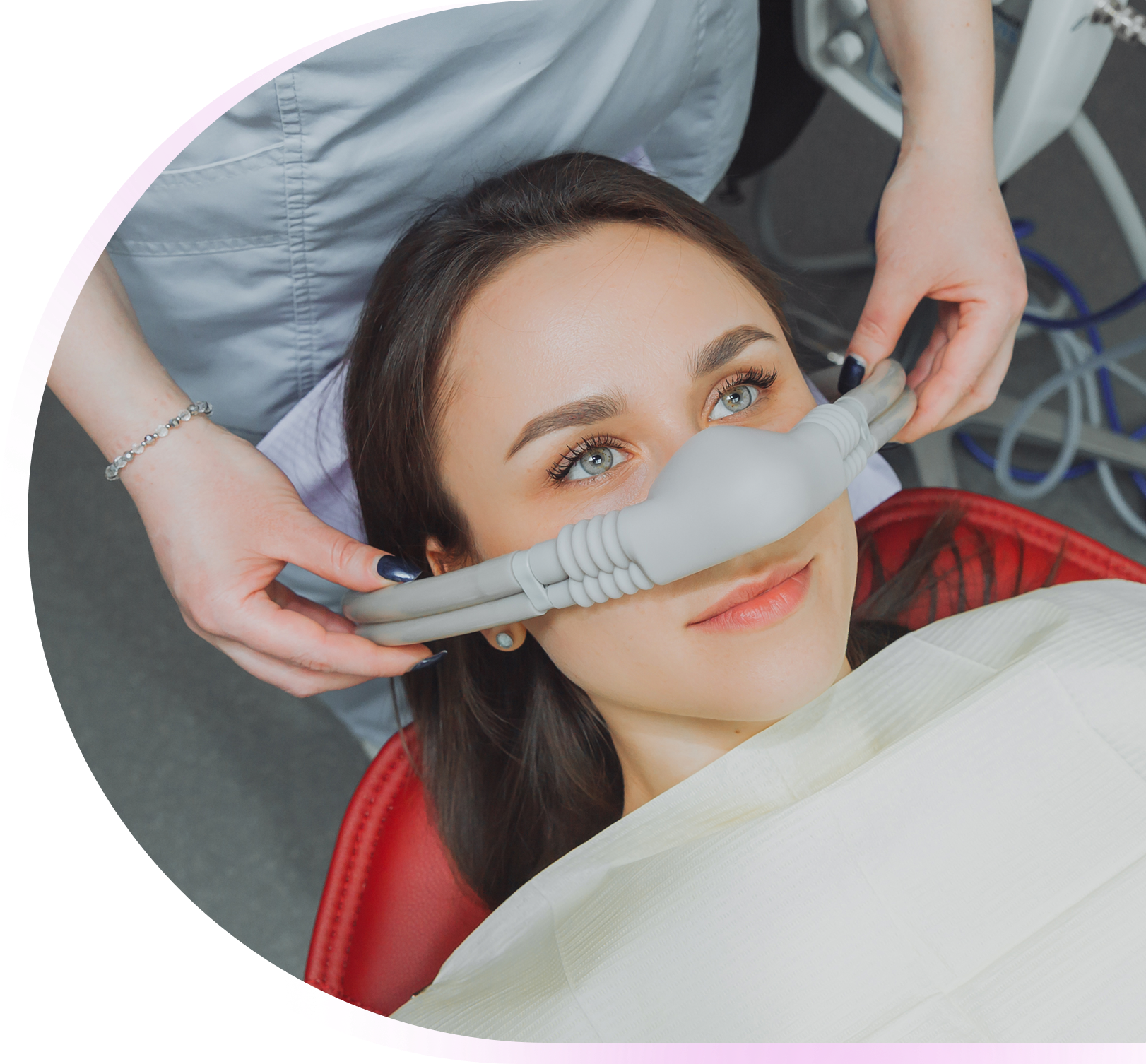
Situations Where Sedation Dentistry May Help You

Dental Phobia
If intense fear of dental visits prevents you from seeking care, sedation may help you feel calmer and more able to attend appointments for necessary treatment.

Past Dental Trauma
Previous difficult experiences at the dentist can make future visits feel overwhelming. Sedation can support you in receiving care whilst managing anxiety related to past trauma.

Gag Reflex Issues
A sensitive gag reflex can make some dental procedures uncomfortable. Sedation may help relax your reflexes, allowing your dentist to work more comfortably during treatment.

Extensive Dental Work
Lengthy procedures requiring multiple appointments can feel daunting. Dental sedation in Caroline Springs may help you tolerate complex treatment more comfortably across several visits.

Low Pain Tolerance
If you're particularly sensitive to discomfort, sedation can help you feel more relaxed during procedures. Your dentist will use appropriate anaesthesia alongside sedation to help manage pain during the procedure.

Difficulty Sitting Still
Staying still for extended periods can be challenging for some patients. Sedation may help you remain calm and may make treatment more manageable, enabling your dentist to complete the procedure.
Dentistry with Sedation Options Available
Our Approach to Sedation Dentistry

Understanding Your Anxiety, Not Dismissing It
Dental anxiety is real, and we take it seriously. Whether it stems from a past experience, needle phobia, or just the sound of dental equipment, we understand that your feelings are valid. Sedation dentistry may help reduce fear and tension during treatment for some patients, which may assist in receiving the dental care you need.
We offer different levels of sedation depending on your anxiety level and the complexity of the procedure. From mild sedation designed to help you relax while staying fully aware to deeper options for more complex treatments, we’ll discuss what might suit your condition. However, sedation isn’t suitable for everyone, and we’ll assess whether it’s appropriate for you during your consultation.
Careful Monitoring Throughout Your Treatment
During sedation, our team monitors patients closely from start to finish. Our team monitors your vital signs regularly and adjusts sedation levels as needed to keep you comfortable while closely tracking your response throughout the procedure. You’ll be cared for by our dental team, and we follow strict protocols.
Before any sedation appointment, we’ll discuss your medical history, current medications, and any concerns you might have. We’ll explain what to expect, what you might experience during and after treatment, and what preparation is needed. While sedation can help many people manage dental anxiety, it’s not suitable for everyone—we’ll assess whether it’s an appropriate option for you.
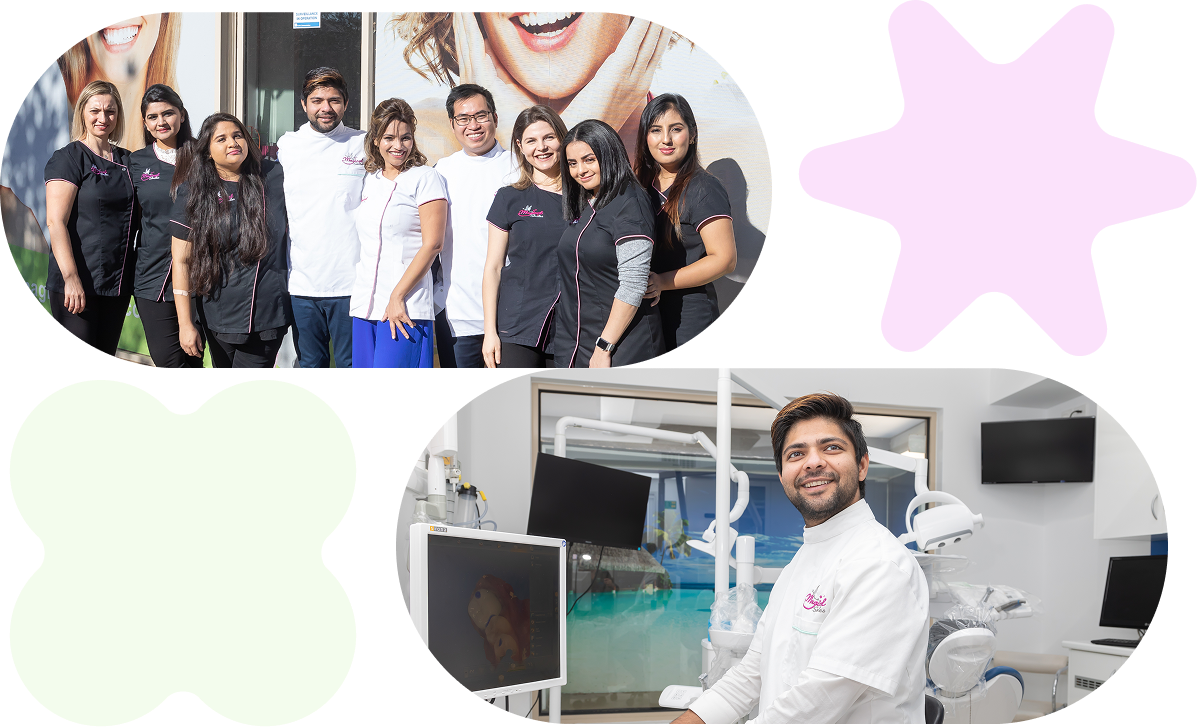

A Supportive Team That Moves at Your Pace
Choosing sedation dentistry is a personal decision, and we’ll never rush you into it. Some patients use sedation for an invasive dental procedure and then manage future visits without it. Others prefer sedation regularly—both approaches are completely fine.
We’ll discuss your options openly, answer all your questions, and explain what each level of sedation entails. If you decide sedation isn’t right for you, we can explore other ways that may help you feel more at ease during treatment. What matters is finding an approach that works for you so you can access the dental care you need in a more supportive environment.
Want to Learn More About Laser Dentistry?

Frequently Asked Questions
Answered by Our Caroline Springs Team
Can any dentist perform sedation?
Dentists who provide sedation must have completed specific training and hold appropriate qualifications for the type of sedation they administer. Dentists who provide sedation must meet regulatory requirements and maintain current registration.
Not all dentists offer sedation services. A dentist providing sedation in Caroline Springs will have undertaken additional education beyond their general dental training. This includes courses on sedation techniques, patient monitoring, and the management of potential complications.
The type of sedation offered may vary between dental clinics. Some dentists provide minimal sedation (such as inhaled nitrous oxide), whilst others may offer moderate sedation or work with anaesthetists for deeper sedation levels. Always ask your dentist about their qualifications and experience with sedation before proceeding with treatment.
What types of dental treatments require sedation?
Sedation is not required for any specific dental treatment. Rather, it’s an option that can be considered for various procedures depending on patient anxiety levels, treatment complexity, and individual circumstances. Sleep dentistry in Caroline Springs may be offered for:
- Routine treatments:
Treatments like check-ups, cleans, or fillings when anxiety makes standard appointments difficult for the patient. Sedation can help you attend regular preventive care appointments that you might otherwise avoid due to nervousness.
- More involved procedures:
Procedures such as root canal treatment, tooth extractions, or crown preparations that require more time to complete. Dental anxiety treatment in Caroline Springs may make treatment more manageable during procedures that require you to keep your mouth open for extended periods.
- Cosmetic procedures:
These include veneers or teeth whitening, where patients prefer to feel more relaxed throughout the process. Sedation may help you feel at ease during treatments focused on improving your smile’s appearance.
- Multiple treatments:
These can be scheduled during a single appointment to reduce the number of visits for anxious patients. Sedation allows your dentist to complete several procedures in a single session, minimising the number of appointments you need to attend.
The decision to use sedation depends on your comfort level and preferences rather than the treatment itself. Some patients prefer sedation for simple procedures due to anxiety, whilst others may prefer complex procedures using only local anaesthesia.
Your dentist will discuss whether sleep dentistry in Caroline Springs can assist you during procedures. They’ll consider factors like the expected duration of your appointment, the nature of the procedure, and your personal anxiety levels when making treatment recommendations.
What should you not do before dental sedation?
Your dentist will provide specific instructions before your sedation appointment. Following these guidelines helps maintain your comfort during the procedure and supports the sedation medication working as intended. Common pre-sedation instructions include the following:
- You should avoid eating for several hours before your appointment, as directed by your dentist. The fasting period varies depending on the type of sedation being used.
- You should avoid drinking liquids for a specified time before sedation. Your dentist will tell you exactly when to discontinue drinking, depending on your procedure.
- You should avoid alcohol for at least 24 hours before sedation, as it can interact with sedation medications.
- You should not smoke before your appointment, as smoking can affect your breathing and oxygen levels during sedation.
- You should avoid wearing heavy makeup, nail polish, or false nails to your appointment. These can interfere with monitoring equipment used to check your oxygen levels during sedation.
Your dentist may provide additional instructions specific to your health situation. Always follow your dental team’s guidance, and contact them with any questions before your appointment.
How long does dental sedation take to work?
The time it takes for sedation to take effect varies by the type used and the method of administration. Different sedation methods have different onset times.
- Inhaled sedation (nitrous oxide, or “happy gas”):
It usually begins to take effect within a few minutes of breathing the gas through a mask. You’ll feel relaxed, and the effects can be adjusted throughout the procedure by adjusting the gas concentration.
- Oral sedation:
Taken as a tablet, it usually takes 30 to 60 minutes to take effect. Your dentist may ask you to take the medication at the clinic before your appointment begins. Alternatively, they might instruct you to take it at home before arriving.
- Intravenous (IV) sedation:
Administered through a small needle in your arm or hand, it takes effect quickly, often within a few minutes. Your dentist can adjust the sedation level throughout the procedure by administering more medication as needed.
The timing can vary among individuals based on factors such as metabolism, body weight, and overall health. Your dentist will monitor you throughout the procedure so that the sedation can work appropriately and help you manage the appointment.
How long does dental sedation last?
The duration of sedation effects depends on the type used, the dosage administered, and how your body processes the medication. Recovery times vary between sedation methods.
- Nitrous oxide:
It wears off quickly after you stop inhaling the gas, usually within 5 to 10 minutes. You’ll likely feel back to normal shortly after your appointment ends, though you should still have someone drive you home.
- Oral sedation:
This can affect you for several hours after your appointment. You may feel drowsy for the remainder of the day. You should not drive or operate machinery for at least 24 hours after taking oral sedation medication.
- IV sedation:
Effects can last several hours after discontinuation of the medication. You’ll feel drowsy and may not remember much about the procedure afterwards. You’ll need someone to take you home and stay with you for the rest of the day.
Your dentist will monitor your recovery before you are cleared to leave the clinic. They’ll confirm your stability and provide instructions for home care. You should arrange for a responsible adult to accompany you and supervise you for the recommended period after sedation.
Individual recovery times can vary. Factors like your age, weight, overall health, and how quickly your body processes medication all influence how long sedation effects persist. Your dentist will provide specific guidance on what to expect after your chosen sedation method.
What is the recovery like after sedation dentistry?
Recovery from dental sedation in Caroline Springs varies by the type of sedation used. Understanding what to expect can help you plan for the hours following your appointment.
After nitrous oxide sedation, most patients feel alert quite quickly. You may experience mild drowsiness or lightheadedness for a short time, but these effects typically improve within minutes. You can usually resume normal activities relatively soon, though it is still recommended that someone accompany you home.
Following oral sedation, you’ll likely feel tired and drowsy for several hours. Some patients experience grogginess that lasts into the evening. You should rest at home for the rest of the day and avoid activities that require concentration or coordination. Having someone stay with you is important during this recovery period.
After IV sedation, you may feel quite sleepy and might not remember the appointment clearly. This is a normal effect of the medication. You’ll need to rest for the day and should not make important decisions or sign documents while still affected by the sedation.
Common recovery experiences across sedation types include the following:
- You may feel slightly unsteady or dizzy for a few hours after your appointment.
- You might experience some drowsiness or feel like taking a nap during recovery.
- You may notice your coordination or reaction time is slower than usual until the medication fully wears off.
- You should avoid alcohol, driving, and operating machinery for at least 24 hours after sedation.
Your mouth may also feel numb from the local anaesthetic used during the procedure, separate from the sedation effects. This numbness typically wears off within a few hours. Your dentist will provide specific aftercare instructions based on both your sedation and the treatment you received.
If you experience concerning symptoms during recovery, such as difficulty breathing, severe dizziness, or unusual pain, contact your dental clinic immediately. Your team will provide an emergency contact number for after-hours concerns.
How much does sedation dentistry cost?
Sedation dentistry costs in Caroline Springs vary based on the type of sedation used, the duration of your appointment, and your individual treatment needs. Understanding the pricing structure can help you plan for your dental care.
Inhalation sedation pricing:
- First 30 minutes: $100
- Additional time: $80 for every 30 minutes after the first session
The total cost depends on the duration of your appointment. For example, a 60-minute appointment would cost $180 for sedation ($100 for the first 30 minutes plus $80 for the second 30 minutes). This pricing is for sedation services only and does not include the cost of dental treatment. Available at Magical Smiles Caroline Springs, for eligible patients. Your dentist will assess suitability during consultation. Please note: inhalation sedation is not suitable for pregnant women. The total appointment cost will include both sedation and treatment fees, as outlined in your treatment plan.
Other sedation options have different pricing structures. Your dental clinic can provide specific costs for these options during your consultation, as fees depend on the medication used and the level of monitoring required.
Many dental clinics offer payment plans to help make comfortable dental care in Caroline Springs more accessible. These arrangements allow you to receive necessary treatment with sedation whilst managing costs over time. Ask your dental team about available payment options during your consultation.
Will I feel pain with dental sedation?
Sedation and pain management are separate aspects of dental care, though they work together to support your comfort during procedures. Understanding the difference can help set realistic expectations.
Sedation helps you feel relaxed and less anxious during dental treatment. It addresses the emotional and psychological aspects of receiving care. However, sedation alone does not prevent pain from the physical sensations of dental work.
Your dentist will use a local anaesthetic alongside sedation to numb the treatment area and prevent pain. The local anaesthetic blocks nerve signals in your mouth so you don’t feel discomfort during the procedure. Sedation helps you feel calm whilst the local anaesthetic manages any physical pain.
Some patients worry about pain after the appointment once the anaesthetic wears off. Your dentist will discuss expectations for post-treatment discomfort and provide appropriate pain management recommendations. Any discomfort following treatment relates to the procedure performed rather than the sedation itself.
If you’re concerned about pain during dental work, discuss this with your dentist during your consultation. They can explain how they’ll use both sedation and local anaesthesia to support your experience during treatment. Your comfort is important, and your dental team will work with you to address both anxiety and pain management.